
Introduction to the Shatru Nashak Baglamukhi Chalisa
Maa Baglamukhi represents the power of stillness, silence, and the cessation of conflict. In the tradition of the Mahavidyas, she is often invoked as the deity who brings clarity and equilibrium to one’s life. The term “Shatru Nashak” is frequently associated with her, implying the neutralization of inner and outer obstacles, or “enemies” that stand in the way of truth and spiritual growth. The Shatru Nashak Baglamukhi Chalisa is a devotional composition used by practitioners to focus their minds, express their reverence, and seek the blessings of the Mother Goddess for internal strength.
For those seeking to understand the foundational aspects of this deity, you can learn more about her essence through our detailed guide on who is Maa Baglamukhi. This article serves as a guide for those interested in the devotional practices surrounding the Chalisa, emphasizing that faith, consistency, and a sincere heart are the pillars of any traditional sadhana or worship.
The Nature of Devotional Practice
Devotion in Vedic tradition is not merely a collection of rituals but a disciplined path of aligning one’s internal state with the cosmic order. When devotees recite a Chalisa, the goal is often to cultivate a state of deep concentration and humility. Maa Baglamukhi, as the stambhana (paralyzing or stabilizing) aspect of the Divine, teaches the practitioner how to silence the mind’s incessant noise, doubt, and negative impulses. In this context, the idea of a ‘shatru’ or enemy is often interpreted as the internal obstacles—such as anger, greed, ego, or distraction—that prevent one from attaining peace.
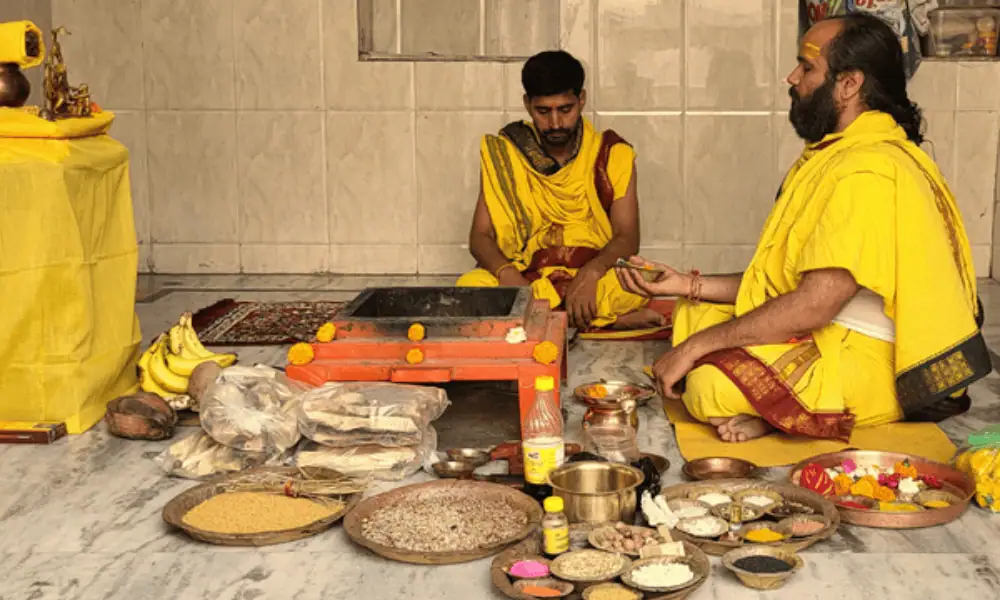
By engaging with a Chalisa, a devotee centers their focus on the divine form of the Mother. This process encourages a shift from external reactivity to internal stability. It is essential to approach this practice with a sattvik intent—one that seeks harmony rather than control or the harm of others. True spiritual growth through such practices is found in the deepening of one’s patience, wisdom, and overall understanding of the self.

How to Approach the Recitation
The practice of reciting a Chalisa is a personal and sacred endeavor. Most traditional guidelines suggest starting with a clean space, a peaceful mind, and a clear intention. While there is no rigid rule for everyone, many practitioners choose a consistent time each day to perform their devotions, as regularity helps in deepening the meditative state. It is not about the quantity of recitation but the quality of devotion and sincerity with which the words are spoken.
If you are looking for resources to aid in your personal study and practice, you can find a downloadable copy of the Chalisa here. Having the text available can help you maintain focus during your sessions. Remember that the text is an aid for your contemplation; the real connection is formed in the silence that follows your prayers. Always treat the sacred text with respect, keeping it in a clean and dedicated place when not in use.
Understanding the Concept of Shatru Nashak
The concept of ‘Shatru Nashak’ is often misunderstood in modern contexts. While the literal translation refers to the destruction of enemies, in a deeper spiritual sense, it refers to the removal of the forces that bind us to suffering and confusion. Maa Baglamukhi is the embodiment of the power of ‘Stambhana,’ which refers to the ability to halt or fix an issue in its tracks. When we pray for the ‘destruction of enemies,’ we are ideally asking the Mother to help us overcome the enemies within—the negativity, the confusion, and the intellectual rigidity that prevents us from seeing the truth of a situation.
Approaching your daily life with the principles learned from these practices can lead to a more balanced outlook. Instead of fighting external conflicts, you may find that the grace of the Goddess provides the wisdom to resolve them through negotiation, clarity, and detachment. This is the hallmark of a mature spiritual seeker: the ability to maintain composure even in difficult circumstances. Through the disciplined study of traditional verses and regular meditation, one can cultivate the strength to navigate life’s challenges with grace.
Maintaining a Sattvik Lifestyle
Devotional practices such as reciting a Chalisa are most effective when supported by a sattvik lifestyle. A sattvik life involves moderation in diet, speech, and actions. It means choosing clarity over chaos and empathy over indifference. As you deepen your relationship with the Mother, you may find that your perspective on life naturally shifts. You may become less inclined toward conflict and more drawn toward activities that promote inner calm and spiritual clarity.
It is important to remember that these practices are complementary to one’s worldly responsibilities. Spiritual practice should empower you to perform your duties better, not act as a replacement for necessary professional, medical, or legal actions. If you are dealing with a difficult situation, continue to seek practical guidance and use your devotional time as a means to gain the clarity and mental strength required to make sound decisions. The peace you find during your prayers should translate into the wisdom you exhibit throughout your day.
Conclusion
The Shatru Nashak Baglamukhi Chalisa is a beautiful bridge between the devotee and the divine. By focusing on the attributes of Maa Baglamukhi—clarity, stability, and the triumph of truth—the practitioner can find a pathway to inner strength. Whether you are seeking comfort during a difficult time or simply looking to deepen your spiritual foundation, the consistent and respectful study of these verses can be a rewarding journey. May your practice bring you the peace and clarity you seek as you navigate your unique path in life.
Frequently Asked Questions
Is it necessary to perform special rituals while reciting the Chalisa?
While there are elaborate rituals in traditional temple worship, the most essential requirement for an individual devotee is sincerity. A simple, clean, and quiet environment where you can focus without distraction is sufficient. The primary focus should be on your internal dedication and the refinement of your intent.
Can I listen to the Chalisa if I am not able to read it?
Yes, listening to a respectful and traditional recitation of the Chalisa can be a powerful way to absorb its vibration and meaning. It is often a great way to learn the correct pronunciation and to maintain a meditative focus if you are busy or unable to sit for a full reading session.
How often should one recite the Shatru Nashak Baglamukhi Chalisa?
There is no mandatory frequency for recitation. Consistency is far more valuable than frequency. Whether you recite it once a week, once a day, or on specific occasions, the key is to maintain a sense of regularity that helps you remain connected to your devotional goal.
Does the Chalisa guarantee victory in legal or business disputes?
Spiritual practice is a personal endeavor intended to bring clarity, peace, and strength to the devotee. It is not a magical tool to bypass hard work, ethical behavior, or professional responsibilities. We encourage you to use your devotional practice as a source of mental fortitude and wisdom while applying practical, honest, and legal efforts to address your life’s challenges.
Where can I learn more about the proper way to conduct a puja?
Understanding the significance of traditional worship is a key part of the path. For those looking to learn about the significance and structure of traditional offerings, our guide on Baglamukhi Puja provides meaningful insights into how one can approach worship with respect and traditional awareness.