
Understanding the Nature of Devotional Recitation
In the path of Vedic spirituality, the practice of reciting a Chalisa is a cherished tradition. Many devotees seek a Baglamukhi Chalisa fast version to incorporate into their daily lives, especially when balancing hectic schedules with a desire for consistent spiritual connection. A Chalisa, by definition, consists of forty verses dedicated to a deity, serving as a structured form of prayer that helps center the mind and cultivate a sense of inner stillness.
At Baglamukhi Guru, we emphasize that the true essence of any devotional practice lies in the quality of attention and the sincerity of the heart. When we speak of a faster recitation pace, it does not mean rushing through words; rather, it suggests a rhythmic, steady flow that allows the devotee to remain engaged without feeling overwhelmed by long pauses. This approach can be particularly helpful for those who are just beginning their journey or for individuals who have dedicated a specific, limited window of time each day to their spiritual exercises.
The Significance of Regularity in Sadhana
Spiritual growth is often described as a journey of consistency rather than intensity. Reciting a devotional text like the Chalisa regularly acts as a rhythmic anchor, grounding the practitioner amidst the external fluctuations of daily life. Choosing a moderate or faster pace for your daily practice is a practical way to ensure that you do not skip your routine when your schedule is demanding. The goal is to maintain the continuity of your devotion, which is far more beneficial than occasional, prolonged sessions followed by long periods of inactivity.
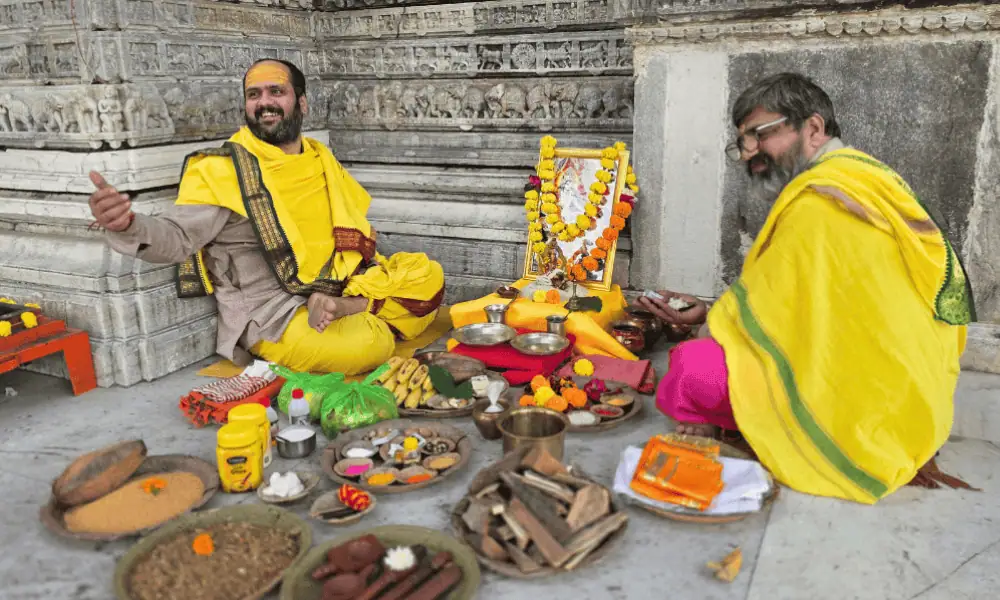
When you approach your recitation with a focus on flow, you learn to coordinate your breath with the verses. This rhythmic engagement can lead to a meditative state where the outside world begins to fade, replaced by the calming resonance of the sacred language. It is important to remember that the language of the heart is universal. Whether you recite with great deliberation or at a quicker, melodic pace, the sincerity of your intention remains the most vital component of your sadhana.
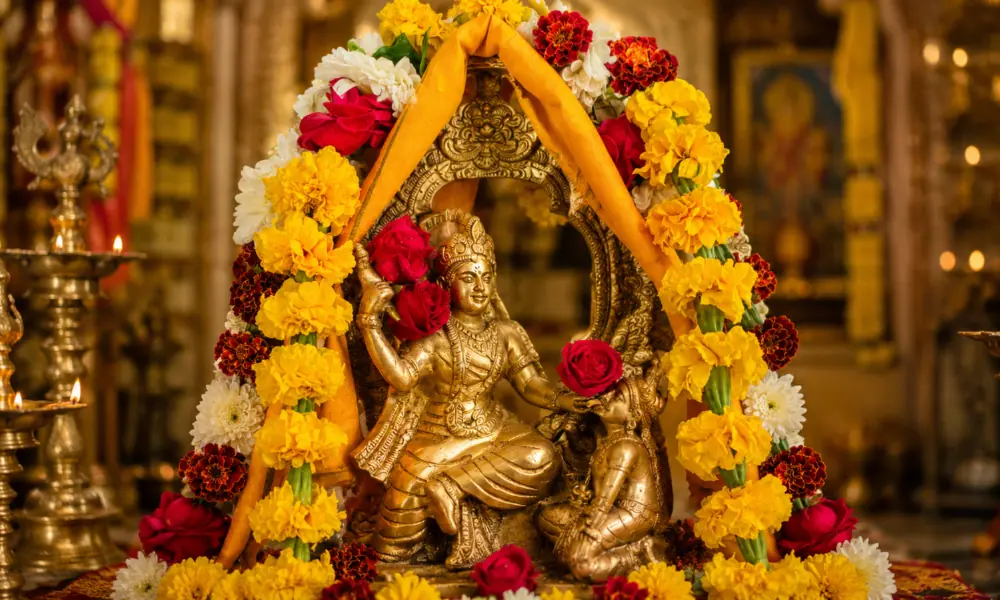
Preparation for a Focused Practice
Before you begin your recitation, creating a peaceful environment is highly recommended. You do not need elaborate arrangements, but a clean and quiet space can significantly improve your focus. Many practitioners choose to light a lamp or offer a small, simple gesture of respect before starting. This minor ritual acts as a transition, helping you shift your awareness from worldly responsibilities to a space of contemplation.
If you are looking for the original text to guide your practice, you may find it helpful to visit the Baglamukhi Chalisa page, which offers insights into its devotional significance. Having the text available allows you to follow along with your eyes as you recite, which can prevent the mind from wandering. As you become more familiar with the verses, you will naturally find a comfortable speed that allows you to express your devotion authentically and without unnecessary pressure.
Balancing Practical Life with Devotion
Many individuals often wonder how to integrate ancient spiritual practices into a modern lifestyle without creating conflict. The beauty of a structured text like a Chalisa is that it is inherently compact. When you practice the Baglamukhi Chalisa, you are engaging in a tradition that has been respected for generations. By choosing a pace that suits your capacity, you are making the practice your own, which in turn fosters a sustainable habit.
It is helpful to view this time as a form of personal sanctuary. Regardless of the speed of your recitation, the act itself is a way of acknowledging the presence of the Divine in your life. It is not a task to be completed or a goal to be met; it is an offering of time and focus. Over time, this consistency often leads to a deeper internal understanding and a more profound sense of peace, which can naturally influence how you handle your daily responsibilities and interactions.
Maintaining a Sattvik Approach
In all devotional practices, it is essential to maintain a sattvik (pure) mindset. This means approaching your prayers with humility, patience, and a positive outlook. Avoid the tendency to look for quick results or to turn the practice into a transactional arrangement. The benefit of reciting a Chalisa comes from the transformation of the practitioner’s own heart and mind. As you deepen your commitment, you may find that your reactions to challenges become more measured and your overall outlook becomes more stable.
Remember that the purpose of any spiritual exercise is to bring you closer to your own inner truth. Baglamukhi Guru encourages all seekers to move at their own pace, ensuring that their spiritual life remains a source of inspiration rather than stress. If you find your mind drifting, simply acknowledge it with kindness and gently return your focus to the words of the prayer. This gentle redirection is, in itself, a powerful form of discipline.
Integrating Other Devotional Resources
While the Chalisa is a profound practice, you may also find value in exploring other traditional methods of worship to complement your routine. For example, understanding the broader context of the deity can add layers of meaning to your recitations. For those seeking a deeper understanding, resources on the Baglamukhi Meaning provide valuable context that can enrich your mental imagery during your practice. Connecting with the deeper symbolism of the deity can make your daily sessions feel more vibrant and personally meaningful.
Furthermore, if you find that you have extra time on a particular day, you might consider incorporating other traditional elements, such as a brief meditation after your recitation or simply sitting in silence to allow the energy of the prayers to settle. This flexibility ensures that your devotional life remains dynamic and responsive to your needs as a practitioner.
Frequently Asked Questions
Is it necessary to recite the Chalisa at a specific speed?
No, there is no requirement to follow a specific speed. The most important aspect is that you remain focused and sincere. Choose a pace that feels natural to you and allows you to maintain your concentration throughout the forty verses.
Can I listen to a recording while I recite?
Yes, many people find that listening to a recording helps them maintain the correct rhythm and pronunciation, especially when they are still learning the verses. This can be an excellent way to prepare for independent recitation.
What should I do if I make a mistake during the recitation?
Mistakes are a natural part of any learning process. If you notice an error, simply correct it calmly and continue with your prayer. The intent behind your devotion is far more important than achieving perfect technical execution.
How long should I spend on this practice daily?
The duration is entirely up to you. Whether you dedicate ten minutes or longer, consistency is more beneficial than the length of time. You may refer to the Baglamukhi Puja guide for more information on creating a balanced daily worship structure that fits your lifestyle.
Does a faster recitation reduce the spiritual impact of the prayer?
Not necessarily. The spiritual impact is derived from the dedication and mindfulness of the practitioner. If a steady, faster pace helps you remain engaged and consistent, it is a valid and effective approach to your daily practice.
Conclusion
The journey of spiritual practice is a personal one, and the Baglamukhi Chalisa serves as a beautiful tool for those seeking to incorporate ancient tradition into their daily lives. By maintaining a balance between rhythm and sincerity, you can cultivate a practice that is both manageable and deeply meaningful. Whether you recite at a traditional pace or a slightly quicker flow, let your heart be your guide, and may your journey be filled with peace, clarity, and steady growth. Remember that at every step of your path, the commitment you show to yourself and your spiritual development is the greatest offering you can make.