
Introduction to Baglamukhi Chalisa
The practice of reciting a Chalisa—a set of forty verses dedicated to a specific deity—is a cornerstone of Vedic devotional life. When we turn our hearts toward Maa Baglamukhi, we are engaging with a profound aspect of the Divine that represents the power of stillness, silence, and the suspension of duality. The Baglamukhi Chalisa serves as a rhythmic, poetic, and devotional anchor for the practitioner. It is not merely a collection of words but a structured contemplation on the qualities of the Mother Goddess, designed to quiet the restless mind and align one’s consciousness with higher spiritual vibrations.
For those seeking to understand the benefits of Baglamukhi Chalisa, it is essential to approach this practice with sincerity and patience. Unlike utilitarian prayers, the Chalisa is a meditative tool. Its recitation invites a sense of inner order, helping to cultivate patience, discernment, and a steady temperament in the face of life’s inevitable challenges. At Baglamukhi Guru, we encourage practitioners to view this discipline as an act of surrender rather than a means to control external circumstances. By dedicating time to these verses, you are creating a sacred space within yourself that remains untouched by the chaos of the outside world.
The Nature of Devotional Practice
In traditional Vedic thought, the significance of reciting a hymn lies in the concept of sound vibration, known as Shabda Brahman. The words of the Chalisa are crafted to create specific resonant frequencies that harmonize the practitioner’s inner state. When you recite these verses, you are engaging in an active form of meditation. The rhythm of the language draws your attention away from scattered thoughts and brings it toward a focal point of reverence. This process is deeply transformative, as it gradually replaces internal dialogue with devotional focus.
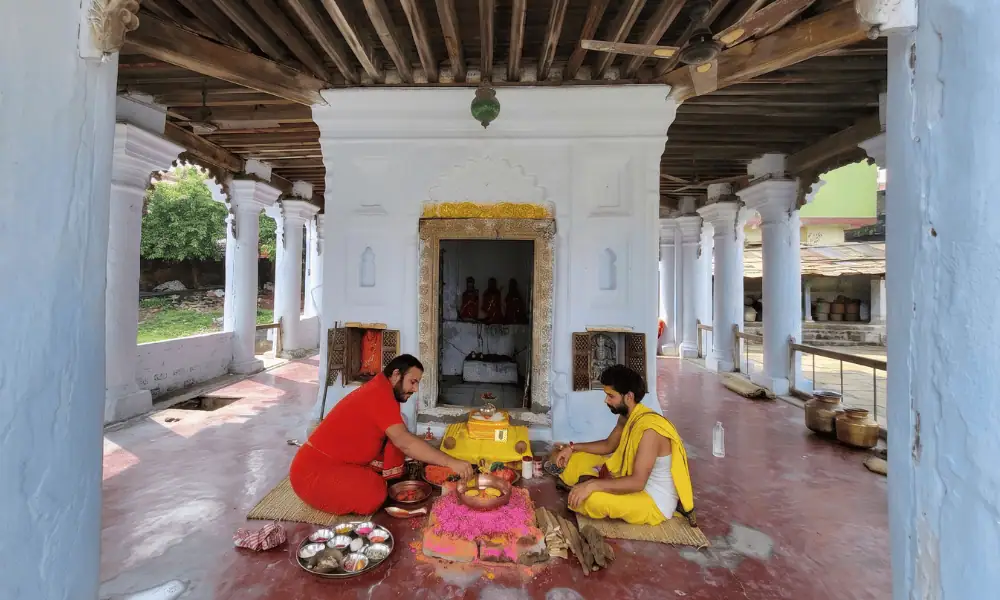
Many practitioners find that the primary benefit of the Chalisa is the cultivation of a steady and calm mind. In times of mental agitation or confusion, the act of chanting acts as a grounding mechanism. It reminds us that there is a central point of stillness within, even when the surrounding environment seems turbulent. This is the essence of Maa Baglamukhi’s energy—the ability to remain centered and unmoved, much like the stillness that exists at the core of a cyclone. By contemplating this quality, we begin to embody it in our daily interactions.
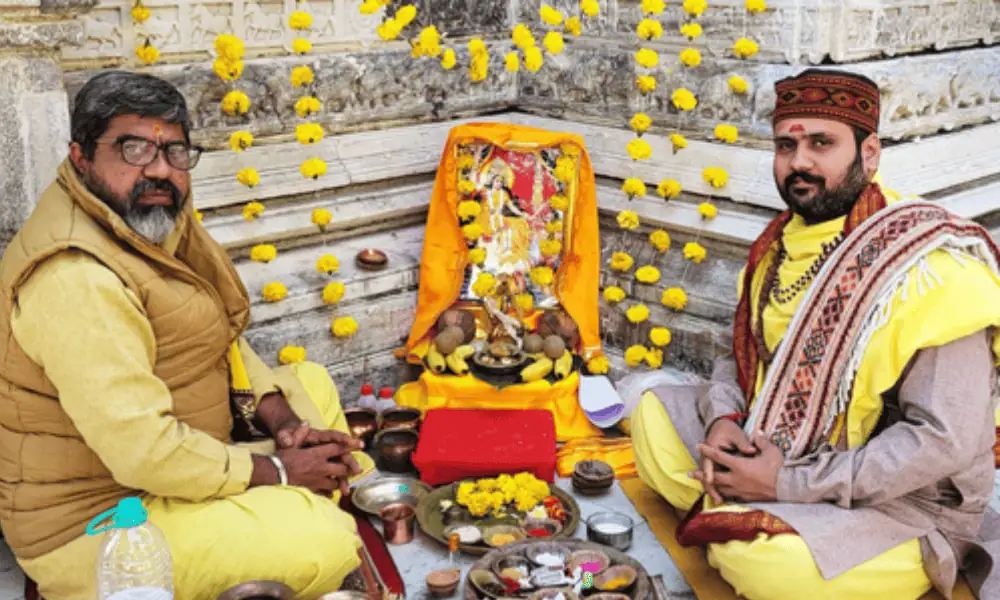
Spiritual Growth and Inner Clarity
One of the most profound benefits of regular devotion is the clarity it brings to one’s perspective. Life often presents us with situations that demand quick decisions, yet our judgment can be clouded by our own anxieties, biases, or emotional attachments. Through the regular study and recitation of the Chalisa, one develops a more detached and objective view of life’s complexities. You start to see patterns more clearly and understand the underlying dynamics of your own emotional responses.
This is not a magical change, but rather a gradual refining of the intellect through spiritual discipline. As the mind settles, the ego’s reflexive reactions begin to diminish. You may find that you are less prone to impulsive decisions and more inclined to pause, reflect, and act with wisdom. This shift in consciousness is the true reward of any dedicated practice. It is the alignment of the human spirit with the divine order, allowing for a more harmonious and balanced way of living.
How to Incorporate the Chalisa into Your Routine
Consistency is more important than duration. You do not need to spend hours at a time in formal ritual; rather, find a period in your day where you can be present and undisturbed. Some prefer to recite the Chalisa in the quiet hours of the morning, while others find comfort in it at the end of a busy day. The key is to approach the practice as a time of communion, not as a task to be completed. Create a simple, clean space where you can sit comfortably and focus your mind.
If you are looking for resources to assist in your daily recitation, you can find a helpful guide and digital text here. Having a reliable source ensures that your pronunciation remains respectful and your focus remains on the meaning of the verses. Remember that the deity resides in the sincerity of your heart. It is the quality of your intention—the warmth, the humility, and the desire for spiritual growth—that truly defines the impact of your practice. Over time, the verses will become familiar, allowing you to move from reading the text to internalizing the devotion behind it.
Maintaining a Sattvik Approach
In the path of spiritual practice, it is vital to maintain a Sattvik, or pure, approach. This means keeping your intentions aligned with truth, virtue, and self-improvement. The teachings of the Vedic tradition are intended to elevate the human condition, not to facilitate the manipulation of others or the pursuit of fleeting worldly gains. When you engage with the energies associated with Maa Baglamukhi, do so with an open heart and a willingness to learn the lessons that come your way. The benefits of the Chalisa are meant to be felt in the soul, as a strengthening of your moral compass and an expansion of your compassion.
Finally, always remember that spiritual practices are an addition to a life of dharma, not a replacement for practical responsibilities. A healthy spiritual life complements your duties as a professional, a family member, and a member of society. By nurturing your inner world through the Chalisa, you become better equipped to handle your external responsibilities with grace, patience, and unwavering integrity. Let your practice be a light that guides you toward a life of balance and meaningful action.
Frequently Asked Questions
Is it necessary to perform a specific ritual before reciting the Chalisa?
While formal rituals can add to the sanctity of the experience, the most important requirement is a sincere and humble heart. You may begin by simply washing your hands and face, sitting in a quiet place, and lighting a lamp or incense if you wish, but the essence is your focused devotion.
How often should I recite the Baglamukhi Chalisa?
There is no fixed requirement for the frequency of recitation. Many people find it beneficial to make it a daily habit, while others prefer to set aside specific days. The most effective approach is one that you can maintain consistently, allowing the practice to become a natural part of your spiritual rhythm.
Can the Chalisa help me overcome fear or anxiety?
The practice is designed to foster a sense of internal stillness and calm. By focusing on the attributes of the Divine and engaging in the rhythmic recitation of the verses, many practitioners find that their mental agitation lessens, helping them approach life’s challenges with a more centered and balanced mindset.
Are there any restrictions on who can recite the Chalisa?
Devotion is a universal language accessible to all who approach it with respect, sincerity, and a desire for inner growth. There are no barriers to practicing this form of prayer; the only prerequisite is the willingness to dedicate time and attention to the divine presence within and around you.
What if I find it difficult to maintain focus while chanting?
It is perfectly normal for the mind to wander. When you notice your attention drifting, gently and without judgment, bring your focus back to the words of the Chalisa. Practice is a process of learning to train the mind, and with patience, your ability to remain focused will naturally increase over time.