
Understanding the Significance of Baglamukhi Chalisa
In the vast ocean of Vedic traditions, the recitation of a Chalisa stands as a pillar of consistent, heart-centered devotion. The Baglamukhi Chalisa is a collection of forty verses dedicated to the divine energy of Maa Baglamukhi, the eighth Mahavidya. It serves as a rhythmic and meditative way for a practitioner to align their inner thoughts with the grace of the Mother Divine. By engaging in this practice, one cultivates a state of mind characterized by clarity, stillness, and patience, rather than seeking immediate or transactional outcomes.
Devotion, in its truest form, is a journey of self-reflection. When you choose to recite this sacred text, you are essentially dedicating time to cultivate a sattvik or pure environment. This practice invites a sense of inner peace and helps the devotee approach life’s complexities with a more grounded perspective. If you are looking for a digital version to aid your daily practice, you can access the Baglamukhi Chalisa in a convenient format. Understanding that these verses are meant to be a vehicle for internal transformation is the first step toward genuine spiritual growth.
Preparation: Creating a Sacred Space
The efficacy of any devotional practice begins with the intent and the environment. Before beginning the recitation, it is important to prepare your surroundings to support a meditative state. Choose a clean, quiet, and well-ventilated space where you will not be disturbed. Tradition suggests that placing a small idol or a symbolic representation of the Goddess in a clean area serves as a focal point for the mind. Keeping your altar free from dust and clutter is not just about hygiene; it is an act of showing reverence to the Divine energy you invite into your home.

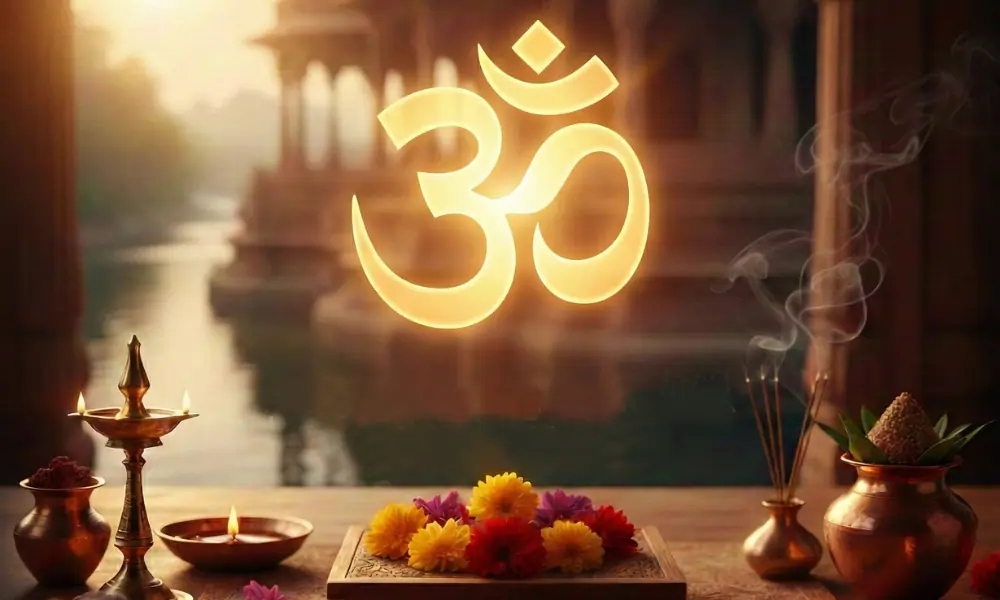
Cleanliness, or shauch, is highly regarded in Vedic practices. A simple bath or washing your hands and face before the recitation is a standard way to signal to yourself that you are transitioning from the mundane to the spiritual. You may choose to light a diya (oil lamp) or incense, as the sensory experience of the flame and the fragrance can help in calming the fluctuations of the mind. Remember, the external preparation is merely a support for the internal shift toward devotion. By minimizing distractions—turning off electronic devices and ensuring your phone is in silent mode—you allow the sacred atmosphere to cultivate a deeper resonance within your consciousness.
The Process of Recitation (Path Vidhi)
There is no rigid or overly complex rulebook for how to recite the Chalisa, as the most important element is the sincerity of your heart. However, traditional approaches suggest maintaining a regular time, such as during the quiet hours of early morning or sunset, which are considered conducive to meditation. When you are seated comfortably, take a few deep breaths to center your awareness and ground your energy in the present moment.
Begin by offering your respect to the lineage of wisdom and the Divine. You might start with a silent prayer or a simple intention, such as asking for mental strength, clarity, or simply the ability to remain steadfast in your spiritual journey. As you begin to read or chant the verses, try to focus on the meaning of the words rather than the speed of the recitation. The rhythm of the verses is designed to harmonize the breath and the mind. It is beneficial to read aloud at a steady, moderate pace, allowing the vibrations of the words to resonate within your throat and chest. If you find your thoughts wandering—which is a common occurrence in human meditation—gently acknowledge the distraction and bring your awareness back to the syllables of the Chalisa without frustration or self-criticism.
Incorporating a breath-based rhythm can significantly enhance your experience. Try to coordinate your inhalation and exhalation with the natural flow of the verses. This rhythmic breathing acts as a bridge between the physical body and the subtle realm of thought, facilitating a meditative trance-like state that is often described in ancient literature as ‘Dhyana’. Remember, the goal is not completion, but connection.
The Importance of Mental State and Devotion
The mindset with which you approach the Chalisa determines the depth of your experience. Rather than viewing the recitation as an obligation to be completed, approach it as an intimate meeting with your inner self. In the Vedic framework, Maa Baglamukhi represents the power of ‘Stambhana’—the ability to freeze or halt the negative patterns and chaotic movements of the mind. By reciting her Chalisa, you are effectively asking for the grace to halt the unnecessary mental chatter that keeps you from finding peace.
As you read the verses, cultivate an attitude of surrender. This does not imply passivity; rather, it is the active release of your ego, your desires, and your need for control. When you let go of the need for specific outcomes, you open yourself to receiving guidance and inner strength that you might otherwise overlook. It is helpful to visualize the radiant, protective energy of the Mother Divine as you recite. This visualization is not a replacement for the text, but a powerful supplementary tool for focus.
Maintaining Consistency and Sattvik Focus
Consistency is often more valuable than the length of time spent in ritual. It is generally better to recite the text with focus and regularity than to do so sporadically. Over time, the practice becomes a natural part of your day, a sanctuary of silence amidst the noise of modern life. As you deepen your relationship with the practice, you may find that the internal quietude you experience during the recitation begins to permeate your daily interactions, making you more patient and balanced in your professional and personal lives.
It is important to approach the text with a sense of humility. A sattvik (pure) lifestyle complements the practice; practicing kindness, truthfulness, and non-violence in your daily life reinforces the benefits of the meditation. Dietary habits, such as consuming fresh, simple, and vegetarian meals, can also play a subtle role in keeping the body light and the mind attentive, thereby making your meditation sessions more productive. If you wish to understand more about the philosophical underpinnings of the deity, you may find it helpful to read about the meaning of Maa Baglamukhi, which provides valuable context for your devotional efforts.
Reflecting on the Experience
After finishing the recitation, do not rush back into your busy schedule. Spend a few minutes in silence, allowing the energy of the practice to settle within you. This transition is essential for carrying the calm of the meditation into your work, your family life, and your personal responsibilities. During this post-recitation period, you might engage in a brief moment of silent gratitude. This serves as a psychological anchor, helping to seal the positive vibrations you have generated.
Remember that the goal of this traditional path is to refine your character and improve your internal discipline. By remaining patient and consistent, you create a foundation of inner stability that supports you regardless of external circumstances. External challenges may come and go, but the inner sanctuary you build through daily practice remains a constant source of support. As you continue your journey, keep your heart open to learning and your mind grounded in the present moment. The study of traditional mantras can also be a supportive addition to your practice, offering varied ways to deepen your concentration and devotional focus. Through simple, respectful, and intentional practice, the Chalisa becomes more than just words—it becomes a pathway to self-awareness and peace.
Frequently Asked Questions
Is it necessary to use a specific mat or seat for the recitation?
While not strictly necessary, using a clean, comfortable, and simple mat (often made of wool or natural fibers) is a traditional practice. The purpose is to provide a dedicated, stable space that remains physically distinct from your everyday activities, helping your mind recognize that it is time for reflection.
Can I recite the Chalisa if I have had a busy or stressful day?
Yes, absolutely. In fact, many people find that the act of recitation is most helpful during times of stress. It can serve as a meditative break that helps you step away from the immediate agitation of the day, allowing you to regain a sense of balance and calm perspective.
Does the pronunciation of every word need to be perfect?
While aiming for correct pronunciation is a sign of respect, the most important element is your intent and the sincerity of your heart. The Divine recognizes your devotion rather than technical perfection. Focus on your engagement with the text and the calmness you experience while reading.
How many times should I recite the Chalisa in a single session?
There is no specific rule regarding the number of times you must recite the text. Many people choose to recite it once daily as part of a routine, while others may choose more based on their time and level of devotion. It is always better to focus on the quality of your attention during one recitation than to hurry through multiple readings.
Is there a specific time of day that is best for this practice?
Traditionally, the hours of dawn (Brahma Muhurta) and twilight are considered very peaceful and ideal for spiritual practices because the environment is quiet. However, the best time is ultimately whenever you can set aside a consistent, uninterrupted period where you feel most alert and able to focus on your meditation.