
Introduction to Baglamukhi Chalisa
The practice of reciting a Chalisa is a cherished tradition within Vedic spirituality, serving as a structured way to focus the mind and offer devotion to the Divine. For those who seek a connection with Maa Baglamukhi, the Baglamukhi Chalisa in English (Roman script) provides a pathway to engage with these powerful verses regardless of one’s familiarity with the Devanagari script. At Baglamukhi Guru, we aim to support your spiritual journey by providing clear resources and meaningful context for your daily practices.
Devotion is essentially a matter of the heart. When we recite sacred verses, we are not merely pronouncing words; we are attuning our consciousness to the qualities of the Divine Mother. Maa Baglamukhi represents the power of stambhana—the ability to pause, reflect, and find stillness amidst the chaos of life. By incorporating these verses into your routine, you create a space for quiet introspection and sincere prayer, allowing the rhythmic flow of the language to harmonize your internal state with the external environment.
The Philosophy of Sound and Resonance
In Vedic traditions, the recitation of sacred sounds, or mantras, is considered a form of sonic meditation. The Baglamukhi Chalisa is structured in a way that respects the ancient phonetic patterns that have been passed down through generations. Even when transliterated into Roman script, the phonetics are designed to be intuitive. As you recite, you are engaging with vibrations that have historically been associated with the containment of negativity and the illumination of the intellect. The process of speaking these words aloud creates a focal point, drawing the scattered energies of the mind toward a single, unified purpose of reverence.

Devotees often find that the act of chanting facilitates a deeper level of concentration than silent reading alone. This is because the physical act of articulating the sounds involves the breath, the throat, and the tongue, creating a holistic engagement of the body and mind. It is recommended to maintain a steady, moderate pace, allowing yourself to fully articulate each syllable. This discipline not only aids in memorization but also fosters a rhythmic cadence that can induce a state of calm and mental clarity, which is the primary aim of any devotional practice.
Accessing the Official Chalisa Resource
For those who wish to have a portable copy for their daily prayers, we have prepared an accessible version of this text. You can visit our Chalisa PDF page to download the document. This resource is designed to be clear and easy to follow, ensuring that you can maintain your practice wherever you are. Whether you are at home or traveling, having a reliable text helps maintain the consistency that is often valued in devotional life. We ensure that our digital materials are formatted with user-friendliness in mind, minimizing digital clutter so that your focus remains entirely on the sacred verses themselves.
The Essence of Devotional Practice
Understanding the context behind the verses is just as important as the act of recitation itself. When we speak of Baglamukhi, we are referring to the embodiment of transformative energy that helps one see truth clearly. The Chalisa is composed of forty verses, each designed to evoke a sense of surrender and reverence. Engaging with these verses in English (Roman script) allows the practitioner to concentrate on the meaning and the vibration of the words without being hindered by linguistic barriers. The goal is to move beyond the mere intellectual grasp of the translation and reach a place where the heart intuitively understands the essence of the plea.
In the Vedic tradition, regularity in practice is often encouraged, but it should never feel like a burdensome chore. Instead, it is an invitation to pause your daily activities and turn your attention inward. You might choose to recite the verses during a quiet moment in the morning or as part of your evening reflection. The goal is to cultivate a state of sattva—purity, clarity, and peace—within the heart. When you make this a habit, it ceases to be a separate task and becomes an integral, nourishing part of your day, much like the intake of food or water.
Preparing Your Space for Recitation
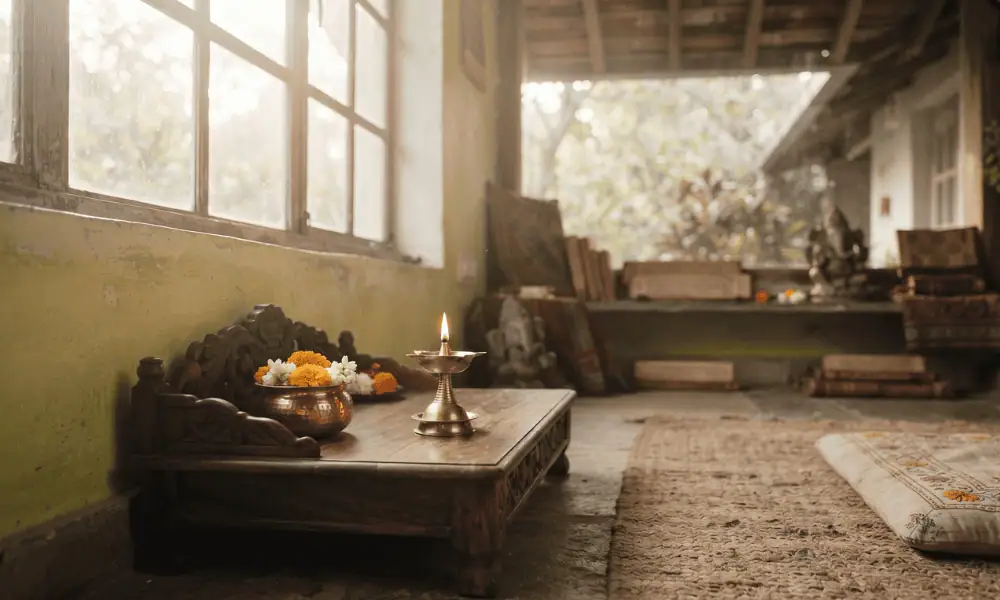
A dedicated space for devotion can greatly enhance your experience. It does not need to be an elaborate shrine; a clean, quiet corner where you feel comfortable is sufficient. Many practitioners choose to light a lamp or offer a flower as a sign of respect, but the most important component is your sincerity. As you prepare to recite the Baglamukhi Chalisa in English (Roman script), take a few moments to sit comfortably and breathe deeply, allowing the stresses of the day to settle. By clearing your physical surroundings, you are effectively signaling to your mind that the time for mundane tasks has ended and the time for spiritual communion has begun.
Approach your practice with a humble heart. There is no need for complex rituals or external validation to make your prayers count. The beauty of the Chalisa lies in its accessibility to anyone who approaches the Divine Mother with honesty and respect. By reading the verses with clear intention, you are engaging in a timeless tradition that has guided seekers for generations. Ensure that your posture is erect, as this helps in maintaining a level of alertness that prevents the mind from drifting into lethargy during your prayer.
The Significance of Understanding Maa Baglamukhi
To deepen your connection, it is helpful to understand the nature of the deity you are honoring. You can learn more about the symbolism and identity of the Mother by visiting our guide on the meaning of Maa Baglamukhi. Understanding her role as a source of wisdom and clarity can transform the way you recite the verses. Rather than looking for immediate outcomes, view your practice as a way to cultivate inner strength and perspective. Maa Baglamukhi is often associated with the dissolution of duality; by meditating on her attributes, you are essentially requesting the clarity to see past the illusions that often cloud our judgment in difficult situations.
Spirituality is often about aligning oneself with higher values. When we focus on the grace of Maa Baglamukhi, we are acknowledging that there is a power beyond our intellect that guides us through life’s complexities. This awareness can provide a sense of comfort and stability, helping you navigate your challenges with grace rather than fear. Recognize that the Mother represents the ultimate truth, and by invoking her name through the Chalisa, you are opening yourself to the potential of a more balanced and centered existence.
Integrating Practice into Daily Life
The beauty of the Chalisa is that it fits into any lifestyle. Whether you are a student, a parent, or a working professional, the practice of devotion serves as an anchor. It reminds us that no matter how busy the external world becomes, there is an internal sanctuary that we can visit at any time. Consistency is more valuable than duration; even a few minutes of focused recitation can leave you feeling refreshed and centered. It is the quality of attention—the ‘bhav’ or feeling—that determines the depth of your experience.
Remember that the traditions surrounding these verses have been preserved with great care. Treat the text with respect, keeping it in a clean place when not in use. As you grow more familiar with the rhythm of the verses, you may find that they come to you naturally, allowing you to focus entirely on the devotional sentiment behind the words. This internalizing of the verses is a significant milestone in any spiritual journey, as it allows for the practice to follow you into your active life, providing solace even when you are not physically before your altar.
The Role of Intentionality and Mindfulness
Every verse of the Chalisa holds a specific nuance of devotion. As you recite the Roman script, try to maintain a mindfulness of the underlying intent of each line. Whether you are praying for protection, clarity of thought, or the strength to overcome internal obstacles, keep that intention gentle and present in your heart. You do not need to over-analyze the meaning of every word while you are speaking; sometimes, the sound itself is enough to bridge the gap between the seeker and the divine. Think of the recitation as a conversation with a mother—it requires no pretense, only the genuine expression of your current state and your deepest desires for growth.
Conclusion
The Baglamukhi Chalisa in English (Roman script) is a bridge for those who seek to connect with the divine grace of the Mother. By providing the tools to access this practice, Baglamukhi Guru aims to foster a community of seekers who value tradition, authenticity, and inner growth. We encourage you to explore the various aspects of Baglamukhi Puja to further enrich your understanding of these ancient practices. May your journey be filled with peace, wisdom, and clarity as you continue your path of devotion. Always remember that the path is yours, and the sincerity you bring to the text is the true key to unlocking the benefits of this sacred practice.
Frequently Asked Questions
Is it necessary to know Sanskrit to recite the Baglamukhi Chalisa?
No, it is not necessary to be proficient in Sanskrit. Devotion is centered on the sincerity of your heart and the clarity of your intention. Reciting the Chalisa in English (Roman script) is a perfectly valid and accepted way to engage with these sacred verses.
How often should I recite the Chalisa?
There is no fixed rule for the frequency of recitation. Many practitioners find it beneficial to incorporate it into their daily morning or evening routine. The most important aspect is consistency and maintaining a respectful, steady practice that fits naturally into your life.
Do I need special guidance to start this practice?
While having a mentor can be helpful in any spiritual path, you can begin the practice of reading the Chalisa on your own. It is a devotional act that focuses on personal connection. As long as you approach it with respect and a calm mind, you are following the traditional spirit of the practice.
Can the Baglamukhi Chalisa replace my professional obligations?
No, spiritual practice is intended to complement your life, not replace your professional responsibilities, medical advice, or legal obligations. It is a tool for inner well-being and perspective, which can then help you approach your external responsibilities with greater focus and balance.
What should I do if I feel distracted while reciting the verses?
It is perfectly normal for the mind to wander. When you notice this, gently bring your focus back to the meaning of the words or the rhythm of your breathing. Do not judge yourself for having distractions; simply acknowledge them and return your attention to the Divine Mother with a patient heart.