
Maa Baglamukhi Mantra in Odia: A Spiritual Introduction
Maa Baglamukhi, the eighth Mahavidya in the Vedic tradition, represents the divine power that stills the mind and brings clarity to complex situations. Devotees often seek to connect with the divine mother through sacred mantras, and for those who hold the Odia language close to their hearts, finding the Baglamukhi Mantra in Odia is a natural step in their spiritual practice. At Baglamukhi Guru, we believe that devotion is deeply personal, and reciting sacred sounds in one’s native language can foster a more intimate connection with the divine.
Understanding the essence of this mantra is as important as the act of recitation itself. The term ‘Bagla’ is often interpreted as ‘to bridle’ or ‘to pull back,’ and ‘Mukhi’ refers to the ‘face’ or ‘countenance.’ Together, the mantra serves as a meditative tool to help practitioners focus, cultivate inner strength, and move through life with patience and equanimity. It is a path of introspection and seeking the grace of Maa to overcome the internal noise that clouds our judgment.
Accessing the Baglamukhi Mantra in PDF
We understand that many practitioners prefer to have a clean, printable version of the mantra for their daily puja room. You can access the Baglamukhi Mantra in PDF format directly through our official resource. This document is designed to provide you with the correct structure of the mantra, ensuring that you can follow along with focus and sincerity during your meditative sessions.
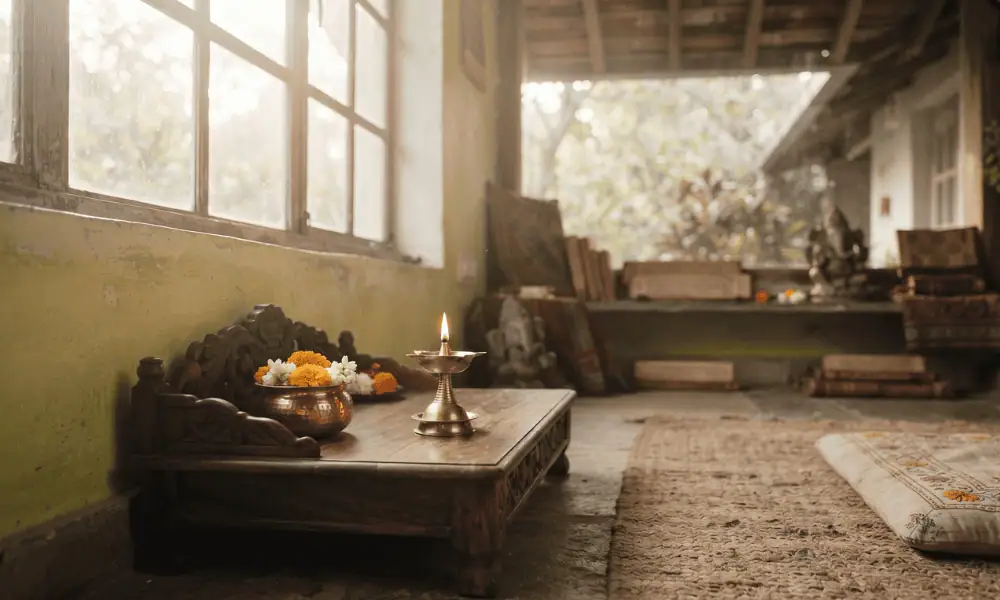
When utilizing the PDF, we encourage you to treat the text with the same respect you would accord to a sacred scripture. Printing the mantra allows you to place it within your devotional space, providing a visual focal point that assists in keeping your concentration steady. Remember that the value of the practice lies in your devotion and the regularity with which you approach the divine, rather than the format of the text itself.

The Significance of Mantra Recitation
In Vedic traditions, mantras are considered vibrations that resonate with the subtle aspects of the human consciousness. The Baglamukhi Mantra is not merely a collection of words; it is a rhythmic offering meant to help the practitioner align their thoughts and intentions. When you recite these sounds, you are engaging in a practice that has been observed by generations of seekers who wish to cultivate mental stability and emotional resilience.
For those who speak Odia, integrating the mantra into daily life involves more than just reading the script. It requires a balanced approach where the focus is on sincerity. There is no requirement for complex rituals if your heart is not fully present. The goal is to create a sattvik environment where you can sit quietly, breathe deeply, and allow the resonance of the mantra to settle within your mind. This process is about self-discovery and finding the inner stillness that Maa Baglamukhi symbolizes.
Practicing with Sincerity and Patience
The journey with any mantra is a marathon, not a sprint. Beginners often feel a sense of urgency to see results, but the traditional view encourages patience. Consistency is the key to meaningful practice. Whether you choose to recite the mantra a few times in the morning or incorporate it into a longer evening meditation, the quality of your attention determines the impact of the practice on your daily life.
A sattvik (pure) lifestyle supports your spiritual efforts. This means approaching your day with integrity, kindness, and mindfulness. Your devotional practice should be a support system that enhances your ability to perform your worldly duties with greater clarity and grace. If you find your mind wandering, simply acknowledge the thought without judgment and gently bring your focus back to the sound of the mantra. This is a fundamental aspect of training the mind, much like the stillness that Maa Baglamukhi inspires.
Understanding the Role of the Guru and Tradition
The guidance of a teacher is often mentioned in spiritual texts as a way to avoid confusion, but for many individual seekers, the path begins with self-study and disciplined practice. Baglamukhi Guru serves as a resource for those who are interested in learning about the traditional aspects of worship, including the significance of the Baglamukhi Mantra as it is understood within the broader Vedic framework. We emphasize the importance of staying grounded in authentic, traditional interpretations and avoiding practices that promise quick or unnatural outcomes.
Your relationship with the divine is unique. While traditions provide a framework, the actual experience of spirituality unfolds within you. By maintaining a humble heart and an open mind, you allow the teachings to take root naturally. Always remember that any mantra or puja you perform is an expression of your gratitude and an attempt to align your personal will with higher, universal principles of truth and order.
Integrating Devotion into Daily Life
Devotion is not limited to the time you spend sitting in meditation. It is an ongoing state of mind. When you encounter challenges or moments of stress, the internal stillness you have cultivated through your mantra practice can act as a steadying force. You do not need to abandon your professional or family responsibilities; rather, your practice should help you handle those responsibilities with a calmer and more focused mind.
Many people find that keeping a small space in their home dedicated to their practice helps in maintaining a routine. This space does not need to be elaborate. A clean seat, a small lamp, and a quiet corner are sufficient. The intention you bring to this space is what makes it sacred. As you continue your journey, you may also find it helpful to explore other aspects of this tradition, such as the Baglamukhi Puja, which provides a structured way to offer one’s devotion through various symbolic steps.
Concluding Thoughts on Your Spiritual Path
The search for the Baglamukhi Mantra in Odia is a beautiful step toward deepening your connection with the divine. It shows a desire to understand and recite the sacred sounds in a way that resonates deeply with your soul. As you move forward, keep your practice simple, sincere, and consistent. Do not be discouraged by the time it takes to see internal changes; spiritual growth is a gradual process that rewards those who persist with patience.
We hope this article has provided you with the clarity and resources you need to begin or sustain your practice. By respecting the traditions and focusing on the internal transformation, you pave the way for a more centered and peaceful life. Always remember that the ultimate goal is not just the recitation of a mantra, but the cultivation of a state of mind that remains unshaken, clear, and compassionate under all circumstances.
Frequently Asked Questions
Is it necessary to have a formal initiation to recite the Baglamukhi Mantra?
While some traditions emphasize the role of a formal initiation by a teacher, many practitioners start their journey by learning the basics of pronunciation and the meaning of the mantra through trusted, traditional sources. Sincerity and regularity in your practice are the most important elements for a seeker beginning their spiritual path.
How long should I recite the mantra each day?
There is no fixed duration mandated for everyone. It is better to practice for a shorter time with full attention and devotion than to perform long hours of chanting while distracted. Start with a duration that fits comfortably into your daily routine and gradually increase it as you feel more settled in your practice.
Can I listen to the mantra if I am unable to read the Odia script?
Yes, listening to the mantra is a valid form of meditative practice. Many find that listening helps them learn the rhythm and pronunciation before they eventually learn to read the script themselves. The sound of the mantra, when heard with a focused and devotional mind, carries its own spiritual resonance.
Are there any dietary or lifestyle restrictions when practicing this mantra?
The tradition generally encourages a sattvik lifestyle, which includes maintaining cleanliness, practicing honesty, and consuming simple, wholesome food. These guidelines are meant to help keep the mind clear and calm, which in turn supports your ability to focus during your meditation and mantra recitation.