
Introduction to Pitambara Mata
In the expansive landscape of Vedic devotion, the worship of the Divine Mother takes many forms. One of the most revered aspects of this worship is directed toward Maa Baglamukhi, often affectionately addressed as Pitambara Mata. The term ‘Pitambara’ refers to the one who wears yellow garments, a color deeply symbolic in our tradition of purity, spiritual awakening, and the solar energy that dispels darkness. For many seekers, the practice of reciting the Pitambara Mata Aarti is not merely a ritual, but a rhythmic bridge connecting the finite self with the infinite grace of the Divine Mother.
When we approach the sacred act of performing an Aarti, we are engaging in a timeless tradition of surrendering our ego and focus at the feet of the Goddess. The recitation of Pitambara Mata Aarti lyrics provides a structure for this devotion, allowing the mind to stabilize and the heart to open. Whether you are beginning your journey of Sadhana or have spent years in contemplation, understanding the essence behind these hymns is essential for a meaningful spiritual practice.
The Essence of Performing Aarti
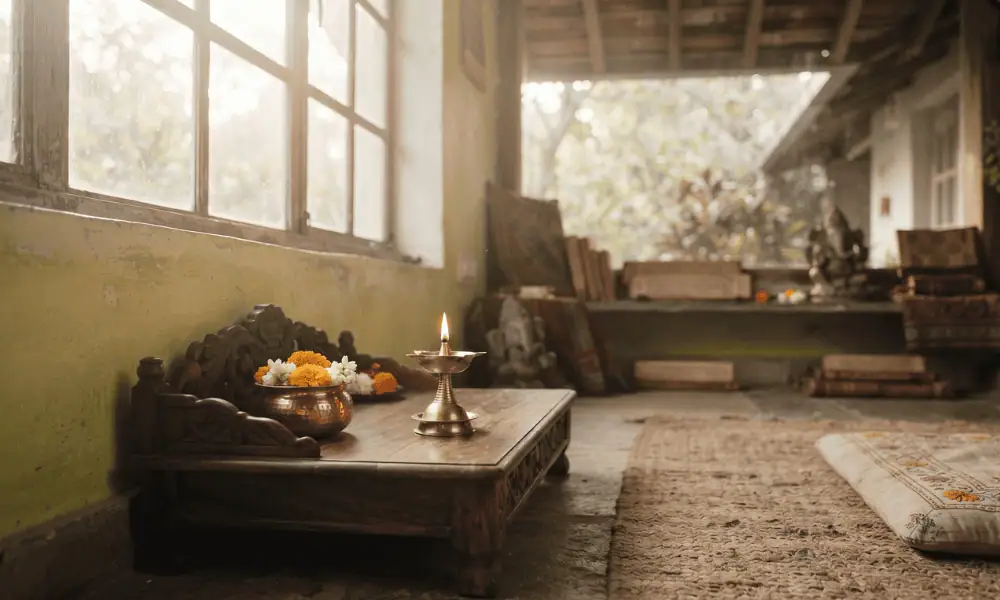
An Aarti is a symbolic gesture of offering light to the Divine. By lighting a lamp—typically fueled by ghee or camphor—and moving it in a circular motion before the deity, the devotee signifies the offering of their own inner ‘light’ of consciousness. This act is deeply symbolic; it suggests that while the Divine Mother is the source of all illumination, we offer back our gratitude, humility, and recognition of Her presence in every aspect of our existence.

For those interested in exploring the foundational aspects of this worship, you may find the Baglamukhi Aarti guide useful for understanding the ritualistic nuances and the devotional intent behind these practices. The Aarti is often sung at the conclusion of a formal puja, acting as a final synthesis of all the prayers, offerings, and meditations performed during the ceremony. It is a moment of communal or individual culmination where the atmosphere is charged with vibration and focus.
Deepening Your Connection through Devotion
Consistency in spiritual practice often fosters a sense of inner peace and clarity. When you recite the Pitambara Mata Aarti, it is beneficial to do so with a calm mind, avoiding any sense of rush or obligation. The lyrics, while beautiful in their composition, are meant to be a vehicle for internalizing the qualities of the Goddess. Her name, Baglamukhi, signifies the power of stillness and the ability to discern the truth amidst the complexity of the material world.
Many devotees find that incorporating sacred literature, such as the Baglamukhi Stotram, into their daily routine further enriches their experience. While the Aarti is a hymn of praise and light, the Stotram offers a more detailed exploration of the Goddess’s attributes and her role in the cosmic order. Together, these practices serve to anchor the devotee in a state of sattvik, or pure, awareness, which is the ultimate goal of all Vedic observances.
Understanding the Role of Sacred Texts
At Baglamukhi Guru, we believe that the most effective devotional practices are those performed with genuine sincerity and understanding. It is common for seekers to look for written versions of prayers to ensure they are participating correctly. Having access to clear and accurate materials allows you to concentrate on the meaning of the words rather than worrying about pronunciation or sequence. This is why we prioritize providing access to reliable resources for those seeking to learn these traditional hymns.
It is important to remember that the efficacy of any prayer or ritual lies in the state of the devotee’s heart. No ritual is a substitute for the cultivation of virtues such as patience, kindness, and humility. When you recite the praises of Pitambara Mata, you are essentially aligning yourself with the qualities she represents: clarity of speech, truth, and the unwavering strength of spirit. This alignment is a gradual process, one that unfolds as you continue your journey of learning and reflection.
Maintaining a Sattvik Approach
In the pursuit of spiritual growth, the environment and the manner in which you perform your devotions are significant. A clean, quiet space set aside specifically for meditation or puja helps to minimize external distractions. When preparing to perform the Aarti, you might choose to offer flowers, incense, or fruit as a sign of respect, but these are secondary to the sincerity of your intent. The true offering is the attention and love you direct toward the Divine during the ceremony.
If you are looking for guidance on the broader structure of formal worship, you can read more about Baglamukhi Puja to understand the traditional sequence of events. Understanding the ‘why’ behind the ‘how’ provides a deeper sense of fulfillment. By educating yourself on the traditions, you avoid mechanical repetition and instead foster a living, breathing relationship with the spiritual principles that have been handed down through generations of practitioners.
Conclusion
The practice of reciting the Pitambara Mata Aarti is a beautiful tradition that invites the presence of the Divine Mother into our daily lives. Through the rhythmic chanting of Her praises, we find a way to center our thoughts and purify our intentions. As you continue to walk this path, remember that the most important element of your practice is the relationship you build with the Divine. May your journey be marked by peace, wisdom, and a growing understanding of the eternal truths that guide us toward the light.
Frequently Asked Questions
What is the primary purpose of reciting the Pitambara Mata Aarti?
The primary purpose of reciting the Aarti is to express gratitude and devotion to the Divine Mother. It serves as a meditative practice that helps the devotee focus their mind, cultivate humility, and center their consciousness on the divine qualities associated with the Goddess.
Is there a specific time of day best suited for this practice?
While there are traditional times recommended for various Vedic rituals, the most important factor is the consistency and sincerity of your practice. Many choose to perform their daily devotions during the morning or evening hours, but you should choose a time that allows you to be fully present and undisturbed.
How can I ensure my pronunciation of the hymns is correct?
The best way to learn the correct rhythm and pronunciation is to listen to traditional recordings or practice under the guidance of someone experienced in Vedic traditions. Focus on understanding the meaning of the words, which often helps in maintaining the correct flow and emotional connection during the recitation.
Do I need to perform a formal puja to recite the Aarti?
While the Aarti is traditionally the concluding part of a formal puja, it can also be recited as a standalone act of devotion. Your intention and the sincerity of your heart are the most essential components, regardless of the formal complexity of the ritual you perform.
Can the practice of Aarti replace professional help or practical action?
No, devotional practices are meant to complement your life and provide spiritual strength, not replace professional advice, medical care, or responsible practical action. It is essential to manage your daily life and challenges with common sense and professional guidance while using your spiritual practice as a foundation for inner balance and clarity.