
Introduction to the Baglamukhi Mantra
The study of Vedic mantras is a journey into the depth of sound, vibration, and intention. Among the most revered practices in the Shakta tradition is the meditation on Maa Baglamukhi. For practitioners, understanding the Baglamukhi Mantra meaning is an essential step in approaching the deity with clarity, reverence, and a centered mind. Maa Baglamukhi is known as the embodiment of Stambhana—the power of stillness and the ability to arrest or quieten the fluctuating mind, allowing one to perceive the truth behind the veil of illusion.
When we explore the meaning of the mantra, we move beyond literal translation and into the realm of spiritual significance. The mantra acts as a focal point for the devotee’s consciousness, helping to anchor the intellect and focus the scattered thoughts of the daily life. By delving into the linguistic and metaphysical structure of the mantra, we gain insights into how the tradition approaches divine connection through sound. It is important to remember that these mantras are not mere tools for manifestation but are invitations for introspection and inner transformation. The Divine Mother, in this form, represents the ‘Vak’ (speech) that transcends ordinary language, guiding the seeker toward the absolute, silent Truth.
The Essence of the Baglamukhi Mantra
In the Vedic tradition, mantras are considered to be the audible manifestation of the divine. When we discuss the Baglamukhi Mantra, we are referring to a series of syllables that possess a unique resonance. In Hindi, the term ‘Arth’ (meaning) goes deeper than just the definition of words; it encompasses the ‘Bhava’ or the feeling and spiritual intent behind them. The mantra is often chanted to cultivate internal stability and to gain a clearer perspective on the challenges we encounter in our external world.
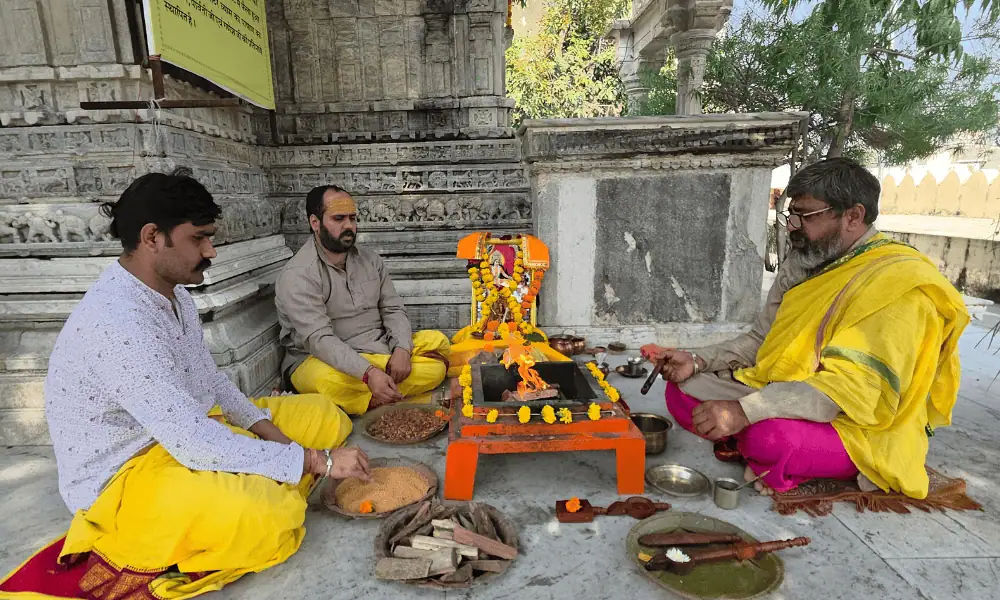
Devotees often seek to understand these syllables to ensure that their recitation is grounded in awareness. Rather than looking for a quick result or a change in external circumstances, the traditional approach focuses on the internal shift. As we deepen our understanding of these sacred sounds, we find that the true power lies in the sincerity of the practitioner and the consistency of their sadhana. By vibrating these sounds, we align our subtle bodies with the higher frequencies of the goddess. You can find detailed guidance on the practice and traditional pronunciation of these verses through our Baglamukhi Mantra resources.
Decoding the Symbolic Meaning
The name ‘Baglamukhi’ itself is derived from two words: ‘Bagla’ (which represents the restraining or turning of the tongue/speech) and ‘Mukhi’ (meaning face). Symbolically, this relates to the mastery over one’s speech and the ability to distinguish between truth and falsehood. The mantra assists the devotee in observing their own thoughts and words, fostering a state of mindfulness that is highly valued in the Vedic path. It serves as a reminder that the world we perceive is filtered through the lens of our own speech and projections; by ‘arresting’ the uncontrolled tongue, we gain control over the reality we manifest.
When we recite the mantra, we are acknowledging the divine presence that helps us navigate the dualities of life—pleasure and pain, success and failure, attraction and repulsion. This is not about ‘controlling’ others, but rather about ‘calming’ the internal reactions that prevent us from seeing clearly. By stabilizing the mind, the practitioner can respond to situations with wisdom rather than impulse. This level of self-control is a foundational pillar for those walking a spiritual path under the guidance of Baglamukhi Guru. Furthermore, the yellow hue associated with the Goddess signifies the illumination of the intellect, guiding the aspirant away from the darkness of ignorance and toward the clarity of pure knowledge.
The Philosophical Underpinnings of Stambhana
Stambhana, the core principle of Baglamukhi, is often misunderstood as a tool for suppression. In a spiritual context, however, it refers to the cessation of mental turbulence. Just as a turbulent lake cannot reflect the moon, a disturbed mind cannot reflect the Divine. The mantra acts as the stabilizing force, the ‘still point’ in the turning world. It assists the seeker in withdrawing energy from sensory distractions and redirecting it inward. This process of internalization is crucial for deep meditation. When the constant chattering of the mind is quieted through the grace of the mantra, the practitioner experiences a profound sense of peace. This is the true, traditional meaning behind the worship—the conquest of the ego’s habitual reactions.
The Role of Devotion and Sincerity
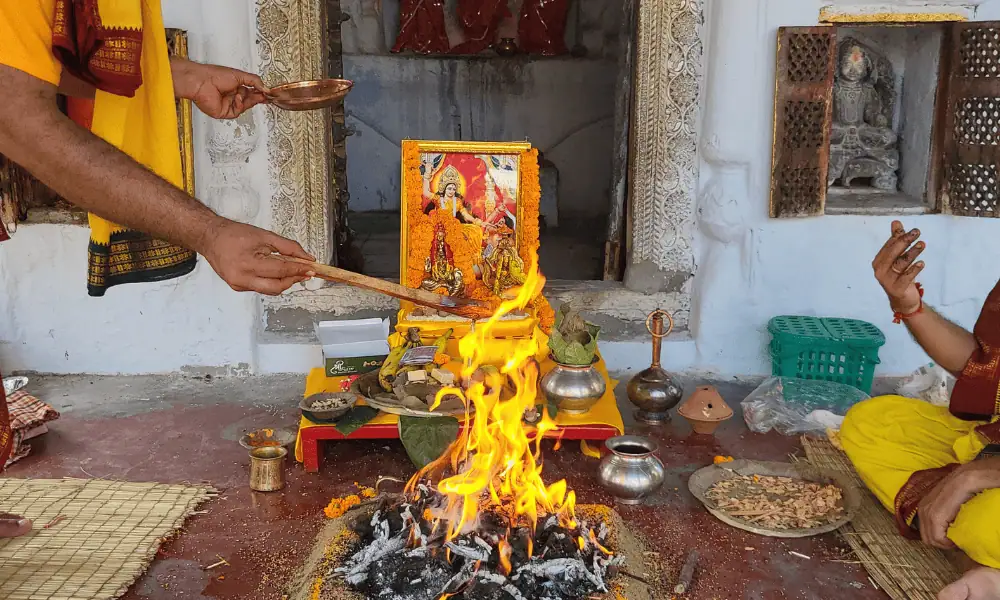
Approach the recitation of the mantra as a devotional act, an offering of time and focused energy to the divine. Authenticity in one’s practice is far more important than the mechanical repetition of sounds. A calm and quiet environment, combined with a steady posture, helps in creating the right atmosphere for contemplation. It is common for practitioners to integrate this with other forms of worship, such as participating in a Baglamukhi Havan, which serves as a symbolic offering to deepen one’s commitment to the path of light and truth.
Consistency, often referred to as ‘Nitya Karma’, is valued in Vedic traditions. Engaging with the mantra at a set time each day helps to build a rhythm that anchors your spiritual practice. It is recommended to approach this practice without expectations of specific outcomes or miraculous events. Instead, focus on the stillness that the mantra helps you achieve. Over time, this stillness becomes a natural part of your character, allowing you to face the complexities of life with greater patience and inner balance. Devotion acts as the fuel for this spiritual journey; without a heart dedicated to the Divine, the mantra remains merely a sound. It is through the union of sound and surrendered intent that the practitioner truly realizes the meaning of the Goddess’s presence.
Integrating Vedic Wisdom into Daily Life
The wisdom embedded in the Baglamukhi tradition is highly practical. It encourages the seeker to remain grounded in their daily responsibilities while maintaining a connection to the spiritual. You do not need to abandon your worldly duties to practice these mantras; rather, the practice is meant to help you perform your duties with more focus and less agitation. If you are new to this path, start by spending a few minutes in silence, reflecting on the qualities that the Divine Mother represents: clarity, truth, and the cessation of mental turmoil.
In the modern world, where our attention is constantly fragmented, the Baglamukhi practice provides a sanctuary. By dedicating time to the mantra, we reclaim our focus from external influences. Whether at work or home, the inner stability cultivated through the mantra allows for better decision-making and a calmer temperament. As you progress, the meaning of the mantra will likely unfold for you in ways that words cannot fully describe. This internal realization is a personal experience that varies from person to person. Keep your focus on the process of learning and growth, maintaining a spirit of curiosity and respect. Through this dedicated approach, you will find that the mantra becomes a companion on your life’s journey, guiding you toward greater self-awareness and peace.
Cultivating the Inner Witness
A deeper aspect of the Baglamukhi Mantra meaning involves the development of the ‘Sakshi Bhava’ or the witness consciousness. As the mantra helps us arrest impulsive thoughts, we begin to watch our own reactions from a detached perspective. This shift is transformative. We cease to be victims of our own conditioned responses and begin to act with intention. This path demands high ethical standards and an honest assessment of one’s own habits. By aligning our life with the values of truth and discipline, we make ourselves worthy vessels for the Goddess’s grace. Remember, the true purpose of the mantra is the refinement of the individual, not the manipulation of the external environment. As the inner landscape clears, the external reality naturally reflects that newfound harmony, leading to a life of balanced, purposeful living.
Frequently Asked Questions
What is the primary purpose of chanting the Baglamukhi Mantra?
The primary purpose of the mantra is to cultivate internal stillness, clarity of mind, and the ability to discern truth. It is a tool for spiritual growth and self-mastery rather than a means to influence others or attain external material gains.
Is it necessary to understand the exact meaning of every syllable?
While understanding the meaning can enhance one’s focus and devotion, the traditional Vedic approach emphasizes sincerity, pronunciation, and the ‘Bhava’ or intent of the practitioner. You do not need to be a Sanskrit scholar to benefit from the meditative practice of the mantra.
How can I ensure my pronunciation is correct?
Correct pronunciation is often learned through listening to traditional recordings and guidance from experienced practitioners. It is recommended to approach the mantra with patience, focusing on clarity and steady, rhythmic recitation, which helps in centering the mind.
Should the mantra be recited at a specific time?
While many practitioners prefer the early hours of the morning (Brahma Muhurta) due to the inherent quietness of that time, the most important aspect is consistency. Choose a time when you can remain undisturbed and focused, making it a regular part of your daily routine.
Does the mantra provide guaranteed results for specific problems?
In the Vedic tradition, rituals and mantras are seen as spiritual practices for personal growth, not as guaranteed solutions or ‘quick fixes’ for life’s challenges. They are meant to strengthen your inner resolve to address situations effectively through practical action, patience, and wisdom.