
Introduction to the Sacred Beej
In the vast ocean of Vedic knowledge, mantra science holds a unique and revered place. Among the many sounds that form the foundation of devotional practice, the Om Hleem mantra stands out for its profound vibrational quality. For those who seek to understand the spiritual depth of these syllables, the study of the Beej—or seed—mantra is essential. These are not merely sounds but are considered condensed forms of divine energy, acting as doorways to a deeper connection with the cosmic consciousness.
When we discuss the Om Hleem mantra: meaning of the Beej, we are entering the realm of sacred linguistics where every phonetic vibration is believed to harmonize the practitioner with universal principles. At Baglamukhi Guru, we emphasize that these mantras are tools for inner reflection and devotion, requiring a grounded, sattvik approach to practice. Understanding the components of this mantra can help practitioners cultivate a more intentional and respectful engagement with their spiritual path.
What is a Beej Mantra?
To fully grasp the significance of ‘Hleem,’ one must first appreciate the concept of the Beej mantra. In the tradition of Indian philosophy, a Beej is akin to a seed planted in the soil of the mind. Just as a small seed contains the blueprint of an entire tree, a Beej mantra is said to contain the concentrated power and essence of a deity or a specific cosmic energy. These syllables are often monosyllabic or very short, yet they carry a weight that transcends their literal length.
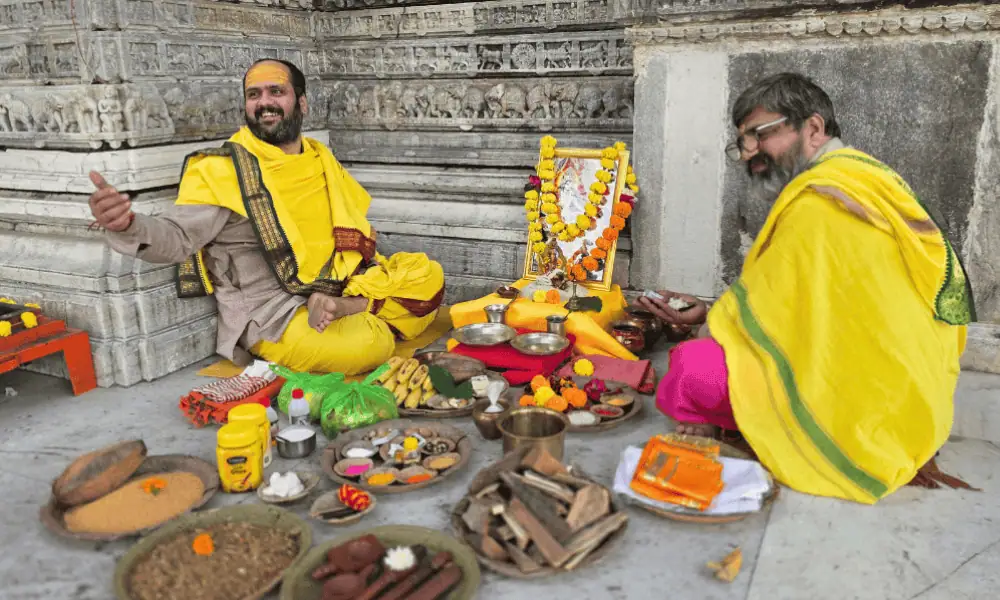
The sound ‘Om’ is traditionally regarded as the primordial vibration, the substratum of all existence. When it is joined with another Beej, such as ‘Hleem,’ it creates a powerful resonance intended to steady the mind. Practitioners approach these sounds with humility, recognizing that they are ancient instruments for centering one’s awareness. There is no shortcut or magical outcome promised by their recitation; rather, it is the consistency of one’s devotional discipline that allows the inner meaning of the sound to unfold gradually over time.
Deconstructing the Hleem Beej
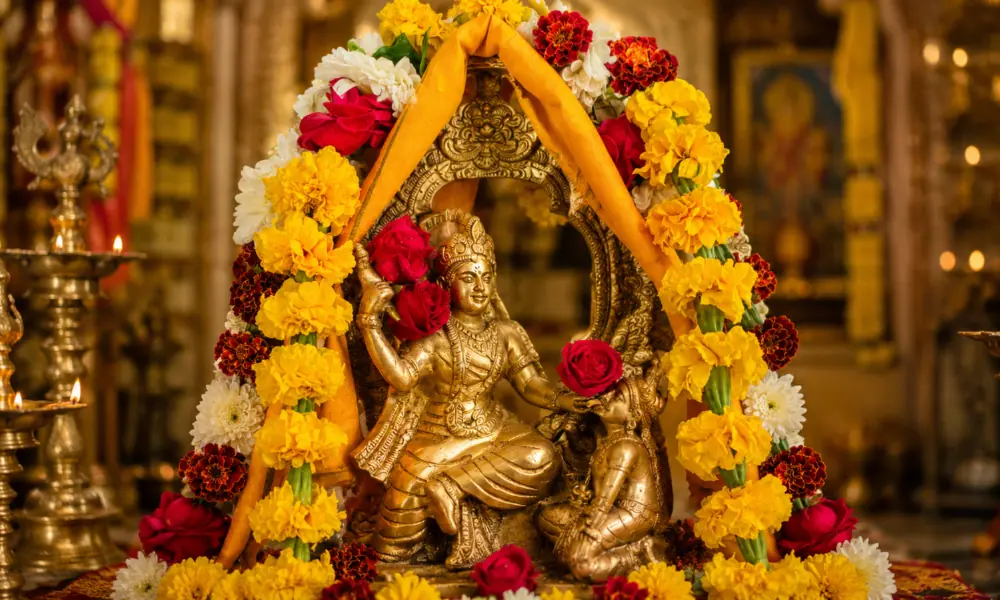
The syllable ‘Hleem’ is deeply associated with the divine energy of transformation and the cooling, stabilizing influence of the cosmic feminine. In the context of Vedic tradition, ‘Hleem’ is often linked to the calming of turbulent energies and the promotion of clarity. While various interpretations exist across different lineages, the consensus among traditional practitioners is that ‘Hleem’ represents the power of presence and the ability to hold one’s ground in the face of life’s inevitable fluctuations.
The phonetics of ‘Hleem’ are structured to create a specific resonance within the subtle body. When chanted with focused attention and a steady breath, the sound is believed to assist in calming the restless mind, making it a foundational element for those interested in traditional mantra practice. It is important to view these syllables not as weapons or means of control, but as keys to self-mastery and internal balance. The grace associated with this sound is typically sought by those looking to deepen their patience and refine their ability to listen and reflect.
The Role of Intention and Devotion
Reciting the Om Hleem mantra involves more than just the mechanical movement of the lips. The true efficacy of the mantra, in the eyes of traditional practitioners, lies in the sincerity of the devotee’s heart. A mantra becomes ‘alive’ when it is imbued with bhav, or deep devotional feeling. Without this, the repetition can become a hollow exercise. At Baglamukhi Guru, we encourage those drawn to this path to prioritize their daily discipline and their personal connection with the divine, rather than focusing solely on external results or quick successes.
Consistency in practice is far more valuable than intensity. A short, daily session performed with full attention is generally considered more beneficial than an sporadic, marathon session. As you progress, you may find that the resonance of the mantra helps you navigate daily challenges with a greater sense of calm. Remember that these practices are complementary to, not replacements for, one’s worldly responsibilities, legal advice, or medical care. A balanced life, rooted in ethics and mindfulness, is the most fertile ground for spiritual growth.
Approaching the Practice with Respect
Entering the path of mantra chanting is a sacred undertaking. It requires an attitude of humility and a willingness to learn. It is often recommended to seek guidance from those well-versed in the lineage, as they can provide context that is otherwise difficult to grasp from reading alone. If you feel a natural inclination toward this path, start by incorporating the mantra into your quiet morning or evening routines, ensuring that your space is clean and your mind is receptive.
It is worth noting that the history of these mantras is complex and varied, with many nuances that have been passed down through generations. Avoid the trap of treating these as mystical shortcuts for personal gain. Instead, view them as companions on your journey toward self-discovery. For those who wish to delve deeper into the structure of their worship, learning about the significance of puja can provide a broader framework for understanding how mantra recitation fits into a complete devotional life.
The Significance of Internal Alignment
As you integrate the Om Hleem mantra into your life, pay attention to the shifts within your own consciousness. Do you feel more centered? Is it easier to pause before reacting to difficult situations? These internal changes are the true hallmarks of a successful spiritual practice. The ‘Hleem’ Beej is ultimately about cultivating a state of quiet strength, a stillness that remains unshaken by external noise. This state is not granted to the seeker; it is cultivated through the steady, patient application of oneself to the practice.
Finally, we encourage everyone on this path to keep their practice sattvik—pure, balanced, and harmonious. Avoid practices that focus on manipulation or the desire to affect others. The beauty of Vedic tradition is in its capacity to elevate the individual, fostering wisdom and inner peace. If you are looking for a deeper understanding of the divine feminine aspect in our tradition, you can explore the symbolism and identity of the energy behind these practices to further enrich your knowledge.
Conclusion
The journey into understanding the Om Hleem mantra and the power of its Beej is a lifelong process of discovery. By engaging with these ancient sounds with respect, patience, and a sincere heart, one can slowly begin to resonate with the deeper truths they represent. Remember that the mantra is a tool, and you are the practitioner; the quality of your practice is determined by your dedication to growth and your commitment to an upright, purposeful life. May your journey be marked by clarity, peace, and ever-growing devotion.
Frequently Asked Questions
Is there a specific way the Om Hleem mantra should be pronounced?
While exact pronunciation is important in traditional Vedic chanting, the most critical element is the intent and the steady rhythm of your practice. It is often helpful to learn the pronunciation from an experienced practitioner or by listening to established, authentic recordings to ensure you are respecting the traditional phonetic structure of the mantra.
How long does it take to see results from chanting this mantra?
Spiritual practices are not intended to produce ‘results’ in the conventional sense of business or personal gain. The ‘result’ is the transformation of your own mind and your ability to remain calm and focused amidst life’s challenges. Focus on the consistency of your daily practice rather than the timeframe for results, and allow your understanding to grow naturally over time.
Can anyone practice this mantra at home?
Yes, practicing at home is a wonderful way to cultivate a personal relationship with the divine. It is recommended to create a small, quiet, and clean space for your practice to help maintain focus. Approach the practice with a humble heart and a clear, ethical mind, and remember that consistency is the foundation of all meaningful spiritual progress.
Should I use a mala while chanting the Om Hleem mantra?
Using a mala, or string of prayer beads, can be an excellent way to keep count and maintain focus during your japa, or repetition. It provides a tactile anchor that helps prevent the mind from wandering. However, it is not strictly required. You can start simply by dedicating a set amount of time each day to your practice, regardless of whether you use beads or not.
Does this mantra protect against negative energies?
Traditional Vedic practices are primarily designed for internal purification, mental stabilization, and spiritual growth. Rather than looking for protection against external or supernatural forces, it is more beneficial to view the practice as a means to strengthen your own inner resolve and clarity. A strong, calm, and ethical mind is the best defense against any external turbulence you may face in life.