
Understanding Baglamukhi Path
In the vast landscape of Vedic tradition, the practice of Path—the rhythmic, devotional recitation of sacred texts—serves as a bridge between the seeker and the Divine. When we speak of Baglamukhi Path, we refer to the dedicated, structured recitation of hymns, stotras, or narratives dedicated to Maa Baglamukhi, the eighth of the ten Mahavidyas. Within the philosophy shared at Baglamukhi Guru, this practice is not viewed as a mechanical ritual but as a meditative discipline designed to quiet the mind and foster a deeper connection with the energy of stillness and clarity that the Goddess represents.
Maa Baglamukhi is often revered as Stambhana Devi, the power that halts or paralyzes that which is obstructive. In a spiritual context, this relates to the cessation of the endless chatter of the mind, the halting of negative tendencies, and the clarity needed to discern truth from illusion. Engaging in a Path is a way to invite these qualities into one’s daily life, creating a internal environment of peace and focus. It is a commitment to consistency, where the vibration of the Sanskrit words helps to harmonize the practitioner’s internal state with the sattvik frequency of the Divine Mother.
The Purpose of a Devotional Path
Many individuals are drawn to the Baglamukhi Path seeking guidance during challenging times or as a means of personal transformation. It is important to approach this practice with the right mindset. Traditionally, devotional paths are performed to cultivate devotion, surrender, and spiritual fortitude. The focus should be on the internal journey—the refinement of one’s character, the expansion of patience, and the cultivation of a calm heart. When approached as a sincere offering rather than a means to control external outcomes, the practice becomes a source of genuine strength.

Devotion in the Vedic tradition thrives on regularity. Choosing a specific time and place for your daily practice helps to establish a rhythm. Whether you are reciting a Stotram, a Kavach, or a series of verses, the act of vocalizing the sacred sounds requires presence. This presence is the core of the practice. By setting aside the complexities of daily life and focusing entirely on the words and the meaning they carry, the practitioner experiences a pause in their mental activity, mirroring the ‘stambhana’ power of the Goddess in a subtle, psychological way.
How to Perform Baglamukhi Path
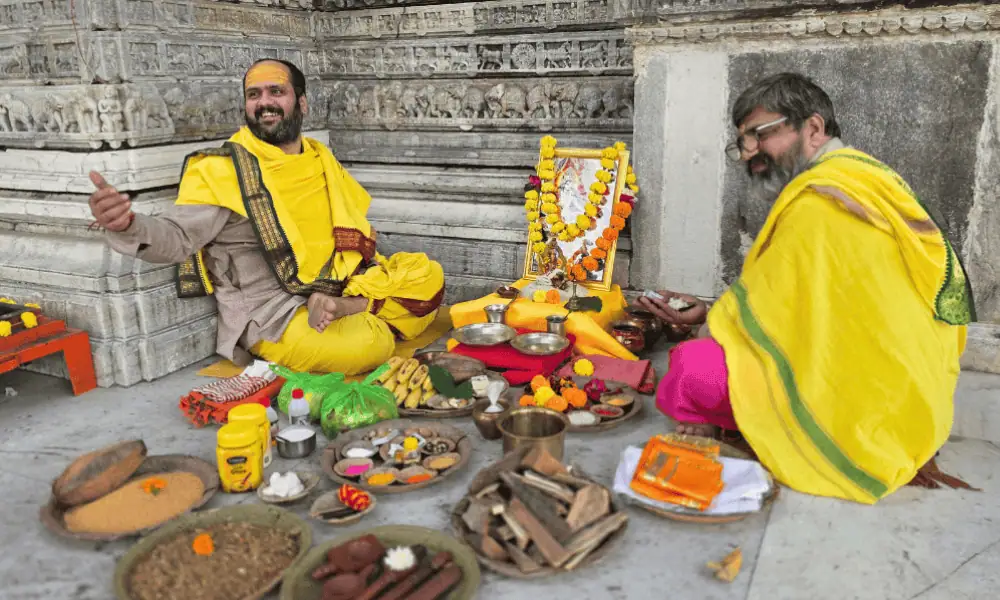
Performing a Path effectively requires a simple, clean, and focused approach. You do not need grand preparations to begin your journey, but you do need intention. First, find a quiet space where you will not be disturbed. Cleanliness of both the environment and the self is traditionally emphasized as it creates a conducive atmosphere for concentration. Sit comfortably, with your back straight, to ensure that you can maintain focus throughout the duration of your recitation.
Begin by grounding yourself. Take a few deep, slow breaths, allowing the tension of the day to dissipate. Some practitioners choose to offer a small lamp (diya) or incense, as these elements engage the senses and mark the transition from worldly activities to sacred time. When you begin the actual recitation, clarity of pronunciation is more important than speed. The sounds in these ancient texts are considered to carry specific vibrations; therefore, reading at a measured, respectful pace allows you to absorb the resonance of the words.
If you are using a specific text, such as a Stotram, read it with full awareness of the devotion embedded in its lines. If you find your mind wandering, gently bring your focus back to the sound of your own voice or the meaning of the verses. This constant returning to the center is the real work of the Path. Over time, the text becomes familiar, and the practice transitions from a task of reading into a meditative state of being.
Consistency and Sattvik Living
The beauty of a devotional Path lies in its continuity. A single session of deep concentration is valuable, but a daily habit of devotion creates a lasting imprint on the consciousness. You may choose to dedicate a specific duration each day to your practice. Start with a manageable amount of time that you can commit to without fail. Consistency acts as an anchor in your life, providing a constant point of reference even when external circumstances become turbulent.
Living a sattvik, or pure, life supports your spiritual practice. This involves mindful choices in diet, speech, and actions. The goal is to cultivate clarity and harmony, which in turn makes the process of meditation and recitation more effective. While life inevitably presents us with challenges, the practice of Baglamukhi Path acts as a reminder of the inner stillness that is always available. It teaches us to observe our emotions and thoughts from a distance, much like the stillness Maa Baglamukhi represents, ensuring that we remain steady regardless of external noise.
To deepen your understanding of how to structure your daily devotionals, you may refer to resources on Baglamukhi Puja to understand how rituals and paths complement one another in a comprehensive spiritual routine. Remember, there is no need to rush or to compare your journey with others. Every individual’s path is unique, and the progress made through sincere dedication is personal and profound.
Conclusion
Embarking on the Baglamukhi Path is a personal commitment to growth, discipline, and devotion. It is an invitation to walk the path of the Mahavidyas with respect and humility, acknowledging the power of sound and intention to shape our internal world. By focusing on the consistency of the practice and the purity of intent, seekers find that the Path becomes more than just words—it becomes a source of inner stability and clarity. Let your practice be guided by love for the Divine, and trust in the transformative process that unfolds over time as you nurture this connection daily.
Frequently Asked Questions
Is it necessary to have a guru to start the Baglamukhi Path?
Traditionally, guidance from a qualified mentor is recommended when engaging with deep spiritual practices. A guru provides context, ensures the practitioner avoids common pitfalls, and helps align the practice with the seeker’s individual needs. While general devotion and study can be pursued personally, seeking guidance ensures a respectful and grounded approach to these profound traditions.
How long should a daily Path session be?
There is no fixed requirement for the length of your session. The quality of your focus and the sincerity of your devotion are more important than the duration. It is better to practice for a shorter time with full attention every single day than to perform a long session only occasionally. Choose a duration that you can consistently maintain in your daily life.
Can I perform the Path at any time of the day?
While early morning hours (Brahmamuhurta) are often considered ideal in Vedic traditions due to the inherent stillness of the environment, you may practice whenever you can carve out time for focused devotion. The most important factor is regularity. Choose a time when you are alert, calm, and able to dedicate yourself to the practice without being hurried by other responsibilities.
Do I need to offer specific items like flowers or food during the Path?
Offering flowers, incense, or light is a traditional way to show respect and focus the senses, but these are secondary to the state of your heart. The essence of any devotional practice is the internal offering of surrender and sincerity. If you choose to use traditional offerings, ensure they are clean and fresh, reflecting a sattvik, or pure, state of mind.
Where can I find authorized texts for recitation?
It is important to use reliable sources for any devotional text. You can explore the Stotram PDF resources on our website to ensure you are working with accurate and traditional compositions. Always approach these texts with reverence, as they are considered sacred and are meant to be treated with the utmost care during your daily practice.