
Introduction to the Om Baglamukhi Katyayani Namah Mantra
In the vast ocean of Vedic traditions, mantras serve as profound tools for focusing the mind and aligning one’s consciousness with the divine energies of the Devi. The Om Baglamukhi Katyayani Namah mantra is a specialized invocation that brings together the powerful, transformative grace of Maa Baglamukhi and the nurturing, protective aspects of Maa Katyayani. As we explore this sacred phrase, it is essential to approach it with a sense of reverence, understanding that these sounds are not merely words but vibrations rooted in ancient spiritual practices.
For those drawn to the path of the Mahavidyas, engaging with such mantras is a way to cultivate inner stability and clarity. Baglamukhi Guru encourages seekers to understand that devotional practices should always be rooted in sincerity, patience, and a humble heart. By meditating on these divine names, practitioners often seek to quiet the internal noise of the mind, allowing for a deeper connection with the supreme feminine energy that governs the cosmic order.
The Significance of Divine Names
The name Baglamukhi represents the power of paralyses or the stillness of the mind. In the context of spiritual growth, this is often interpreted as the ability to pause one’s reactive tendencies and find a centered space amidst life’s challenges. Katyayani, on the other hand, is the sixth form of Durga, representing the fierce yet compassionate energy of the Mother who destroys darkness and upholds righteousness. When these two energies are invoked together, the mantra becomes a call for both mental stillness and inner strength.
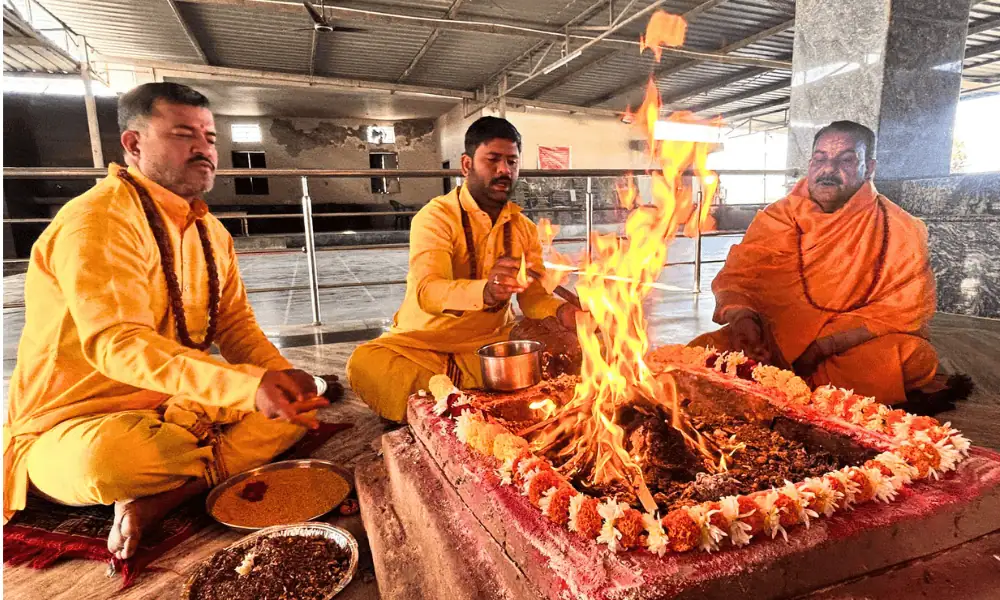
It is important to remember that the efficacy of any mantra lies not in the mechanical repetition of sounds, but in the attitude of the devotee. Traditionally, the practice of japa, or the rhythmic recitation of a mantra, is intended to gradually purify the practitioner’s intentions. It is a slow, methodical process that requires consistency rather than seeking instant outcomes. By integrating such practices into daily life, one creates a rhythm of devotion that supports both spiritual and personal growth.
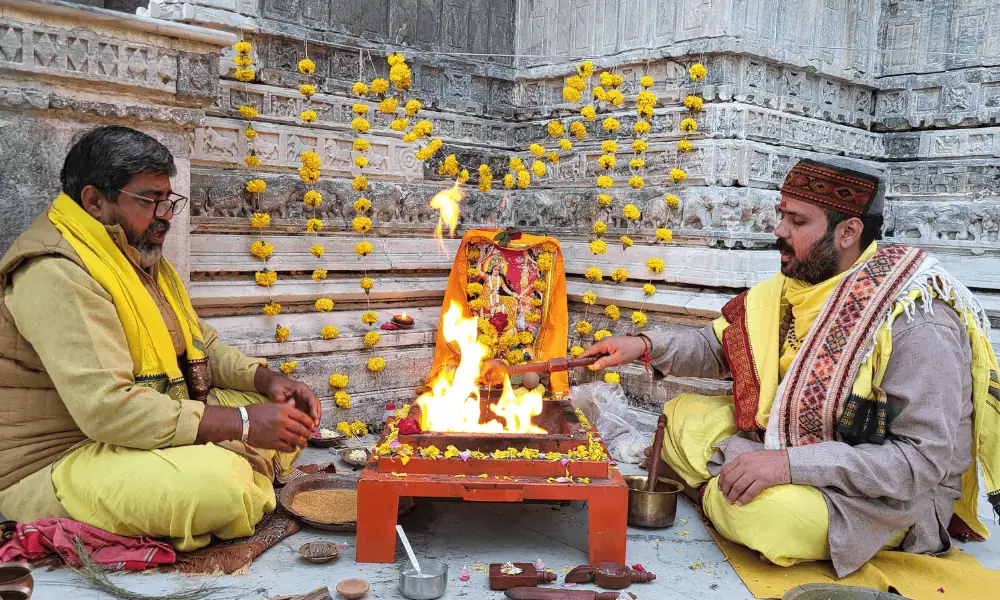
The Energetic Resonance of the Mantra
When we chant ‘Om,’ we invoke the fundamental frequency of the universe, setting the stage for the rest of the mantra to vibrate within our subtle body. ‘Baglamukhi’ brings the specific frequency of ‘Stambhana’ or the power to hold firm, which is essential for emotional regulation and focused awareness. When followed by ‘Katyayani,’ which carries the warrior spirit of Goddess Durga, the mantra provides a balance of containment and protection. This synergy helps the practitioner build a metaphorical fortress around their consciousness, shielding it from external negativity while internally refining the focus toward higher spiritual truths.
The combination of these names acknowledges the dual nature of our existence: the need to stop and analyze (Baglamukhi) and the need to act with strength and righteousness (Katyayani). By bridging these two energies, the seeker develops a more holistic approach to spirituality, where wisdom and courage act in tandem to help navigate the complexities of life.
The Nature of Devotional Practice
When approaching the Om Baglamukhi Katyayani Namah mantra, many seekers find guidance by first understanding the broader context of Maa Baglamukhi’s role in the pantheon of the Ten Mahavidyas. Exploring the Meaning of Maa Baglamukhi can provide the necessary background to appreciate why this specific mantra holds significance for so many. The Mahavidyas represent different facets of the ultimate truth, and studying these forms helps a devotee understand the multifaceted nature of the Divine Mother.
Devotion is a journey that flourishes when it is supported by knowledge and traditional wisdom. Instead of viewing mantras as transactional tools, practitioners often see them as bridges connecting the human experience to the divine. This perspective shifts the focus from external results to internal transformation. Whether one is sitting in quiet meditation or performing a dedicated puja, the underlying goal remains the same: to cultivate a state of being that is calm, observant, and connected to the Source.
Cultivating Sincerity in Mantra Japa
The act of reciting a mantra is a deeply personal experience. When beginning a practice, it is often recommended to find a quiet, clean space where one can sit comfortably without interruption. The regularity of the practice is often considered more beneficial than long, irregular sessions. For those who wish to delve deeper into the mechanics of traditional worship, learning about the proper approach to Baglamukhi puja can be very enlightening, as it provides a structured way to offer one’s devotion with discipline and respect.
A sattvik or pure approach involves maintaining a balanced lifestyle and a clear intention. It is not about controlling the outcomes of one’s life through ritual, but rather about preparing one’s mind to handle life with greater poise. This is the essence of the Vedic way of life—finding harmony through the alignment of body, mind, and spirit. As you repeat the mantra, focus on the sound itself, letting go of any expectations or anxieties. Allow the vibration of the divine names to resonate within you, fostering a sense of peace that persists even after the practice concludes.
Deepening the Connection Through Discipline
Discipline in spiritual life, known as ‘Sadhana,’ acts as the soil in which the seeds of the mantra grow. Without the discipline of daily practice, the influence of the mantra may remain superficial. When you decide to incorporate this mantra into your life, try to commit to a specific timeframe, even if it is only ten minutes each day. The consistency of this schedule creates a psychological rhythm, signaling to the mind that it is time to shift from the mundane to the sacred.
Furthermore, the physical posture during japa should be steady and relaxed. As the ancient texts suggest, a stable posture leads to a stable mind. Keeping your spine straight helps in the unobstructed flow of energy, while deep, rhythmic breathing naturally induces a meditative state. This physical preparation is not merely ritualistic; it is a physiological necessity for grounding the energetic impact of the mantra within the nervous system. By observing these traditional guidelines, you honor the lineage of the practice and align yourself with the wisdom of those who have successfully navigated this path before.
The Role of Traditional Wisdom
In our modern lives, we often seek quick answers to complex problems. However, the path of the Mahavidyas teaches us the value of endurance and steady progress. By dedicating time to understand the traditions surrounding these powerful mantras, you protect yourself from misconceptions and ensure that your practice is both safe and meaningful. Always prioritize learning from reliable, traditional sources, and remain skeptical of any claims that promise immediate material rewards or miraculous interventions through the mere recitation of a mantra.
True spiritual maturity is found in the ability to accept the ups and downs of life with grace. The Om Baglamukhi Katyayani Namah mantra can serve as a steadying anchor during times of uncertainty. As you continue your devotional journey, let your practice be guided by curiosity, humility, and a genuine desire for self-awareness. Remember that you are walking a path that has been trodden by countless seekers, and your sincere efforts are a valuable contribution to your own spiritual legacy.
Sustaining the Devotional Path
As you incorporate this mantra into your life, remember that the Divine Mother expresses herself through patience. There may be days when the mind feels restless or the focus feels fragmented. On such days, simply returning to the mantra with a heart of devotion is a success in itself. It is not about reaching a state of perfection, but about the steady movement toward self-realization. By maintaining a sattvik, or pure, diet and thought-process, you reinforce the positive vibrations generated by the mantra, creating an internal environment conducive to spiritual growth.
Ultimately, the goal of this practice is to dissolve the ego-centric barriers that separate us from the divine. When we call upon the names of Baglamukhi and Katyayani, we are not asking for a favor but requesting the strength to align our personal will with the cosmic order. It is an act of surrender that empowers the seeker to face life with renewed clarity and strength. Keep your heart open, your practice consistent, and your intentions noble as you continue your exploration of this profound, ancient, and transformative mantra.
Frequently Asked Questions
What does the Om Baglamukhi Katyayani Namah mantra mean?
This mantra is an invocation that pays homage to two significant forms of the Divine Mother. ‘Om’ is the sacred primordial sound, ‘Baglamukhi’ represents the power of stillness and clarity, and ‘Katyayani’ represents the protective and triumphant aspect of the Devi. The mantra acts as a focused expression of reverence for these divine qualities.
Do I need an initiation to practice this mantra?
While many simple mantras can be practiced with a sincere heart, it is always a respectful and traditional practice to seek guidance from a knowledgeable mentor or teacher. They can help you understand the context of the mantra and ensure that your practice is performed in a way that is consistent with Vedic principles.
How long should I recite this mantra daily?
There is no fixed duration mandated for the general public, but consistency is key. Many practitioners find that starting with a small, manageable number of repetitions—such as one mala (108 beads)—at the same time each day helps in establishing a beneficial routine. The quality of your focus is far more important than the quantity of repetitions.
Can this mantra help me solve my life problems?
Mantras are intended for spiritual refinement, mental clarity, and cultivating a connection with the divine. While they help in developing the inner strength and peace needed to face challenges, they are not a substitute for practical action, professional advice, or necessary life changes. Always address worldly matters through appropriate real-world efforts.
Where can I find more information on how to perform a proper puja?
For those interested in the systematic approach to worship, you can read more about the significance of Baglamukhi Havan to understand how rituals and offerings are traditionally structured to facilitate a deeper, more disciplined spiritual practice.