
The Essence of the Most Powerful Baglamukhi Mantra
In the vast ocean of Vedic knowledge, the divine energy of Maa Baglamukhi represents the power of stambhana, or the ability to still and focus the mind. Many devotees searching for the most powerful Baglamukhi mantra often overlook that the true power of a mantra lies not just in the words, but in the sincerity, discipline, and reverence of the practitioner. There is no single mantra that holds a monopoly on divinity; rather, it is the consistency of one’s spiritual practice, or sadhana, that brings one closer to the grace of the Mother Goddess.
While many seek a shortcut to spiritual attainment, traditional practices emphasize that the most potent mantra is one that is learned from an authentic source and practiced with a calm, sattvik (pure) intention. The Bija mantra, which is central to her worship, serves as the seed from which one’s spiritual growth blossoms. Understanding the depth of Maa Baglamukhi is the essential first step before embarking on the recitation of any specific syllable or hymn.
The energy associated with the Mother Goddess is often misunderstood as merely transactional. However, in the traditional framework of Shakti worship, her energy is essentially transformative. It acts as a mirror to our own mental fluctuations. When we chant her holy sounds, we are not asking for external control, but for the internal control necessary to transcend our own limitations and ego. This is why the ‘most powerful’ mantra is subjective—it is the one that resonates with the specific frequency of your own soul’s journey at a given time.
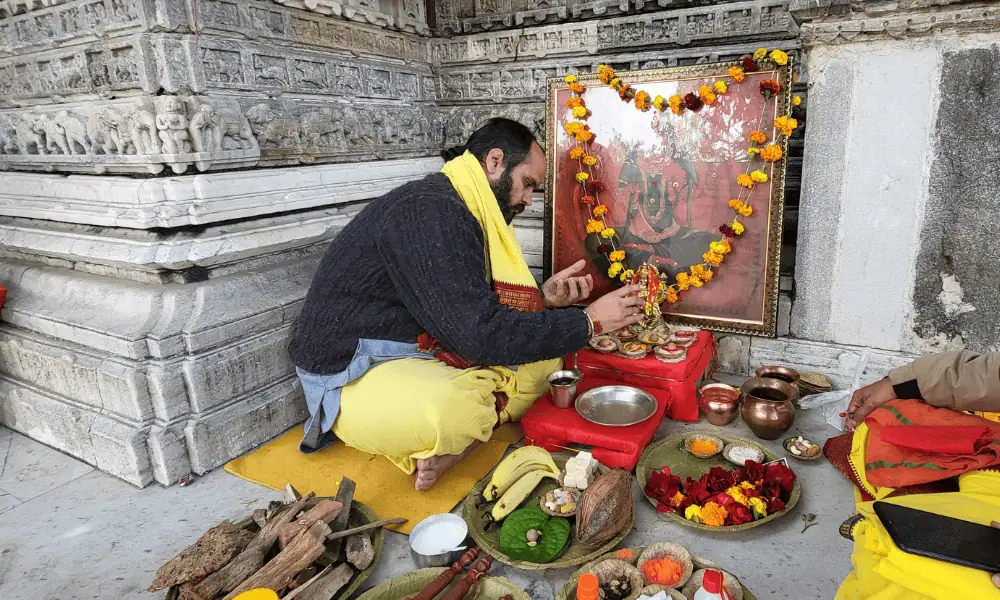
The Role of Intention and Sincerity
When approaching the concept of power in a mantra, it is helpful to shift the perspective from the idea of external results to the internal transformation of the practitioner. Mantras are vibratory sounds designed to align the human consciousness with the cosmic frequency of the deity. Therefore, the most powerful mantra for you is the one you can recite with total focus, clear pronunciation, and a heart free from agitation.
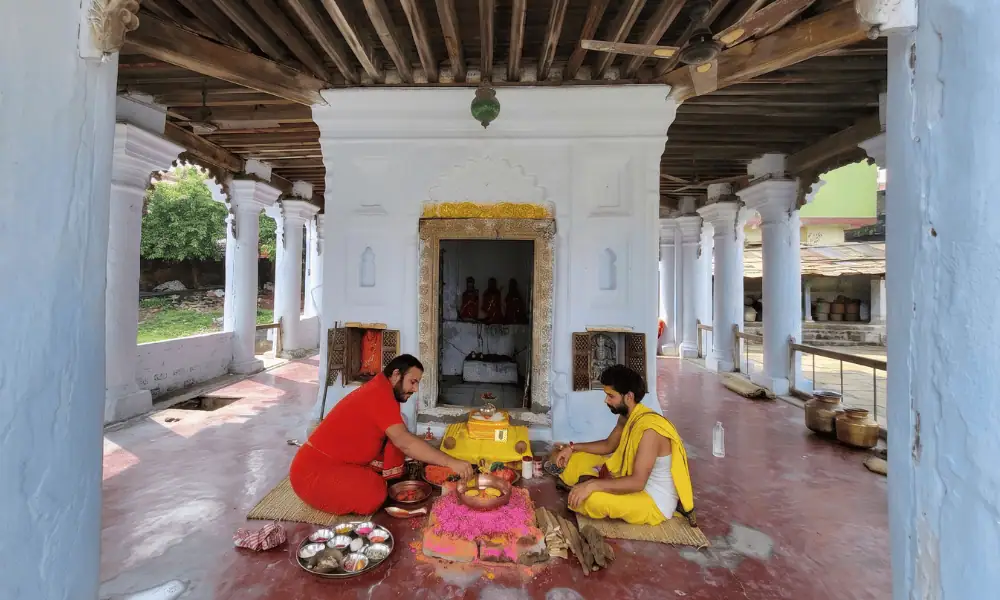
It is important to remember that spiritual practice is a journey. Seeking the ‘most powerful’ mantra often stems from a place of desire or impatience, whereas true devotional practice is rooted in surrender. By cultivating a routine, maintaining a sattvik lifestyle, and respecting the tradition, the practitioner slowly begins to understand the profound wisdom behind the sounds. Consistency in daily practice is far more beneficial than the occasional, intense recitation of a long, complex hymn.
The psychological aspect of chanting involves rhythm and focus. As you repeat a mantra, the cyclical nature of the sound waves helps to calm the nervous system. This state of relaxation, when combined with devotion, allows the mind to enter a meditative trance that is conducive to inner clarity. It is in this stillness that the devotee finds the power they seek, not in the sound itself, but in the silence that follows the sound. The more one surrenders the outcome, the more powerful the practice becomes.
Approaching Mantra Practice Responsibly
Before beginning any regular mantra recitation, one should take the time to learn the correct way to approach the practice. This includes understanding the importance of proper pronunciation and the meditative state required to make the practice effective. Many seekers find it helpful to start with foundational chants before moving on to more intricate ones. If you are looking for guidance on how to begin your journey, you can refer to the Maa Baglamukhi Mantra page for traditional insights.
Correct pronunciation is often cited in texts because sound is considered a physical manifestation of divine energy. However, traditional scholars also emphasize that ‘bhav’ or feeling is the fuel for the mantra. Without the right intention, even perfectly pronounced Sanskrit can remain just sound. Conversely, when a seeker approaches the Goddess with a humble heart, even simple prayers carry immense weight. Always ensure your space is clean and quiet, as the external environment contributes significantly to the internal focus required for successful sadhana.
The act of reciting a mantra is a form of meditation. It is not a tool to manipulate events or influence others, but rather a way to cultivate inner stability. As the mind settles, one becomes less prone to external distractions and more grounded in their own divinity. This internal stillness is the true gift of the practice, allowing the devotee to face life’s challenges with greater clarity, patience, and unwavering faith in the divine order.
The Importance of Guidance and Tradition
The path of mantra sadhana is ancient and layered with deep symbolism. It is widely recommended to seek guidance from those who have walked the path before, as they can provide clarity on the nuances of pronunciation and the ethical conduct expected of a practitioner. Tradition serves as a compass, ensuring that the seeker does not stray into ego-driven practices but remains anchored in the spirit of devotion.
One should also be mindful of the materials they use for their practice. Many practitioners find it useful to have a clear guide to help structure their daily worship. If you are interested in exploring the complete set of prayers and their structure, you might consider the Stotram PDF for your personal study and devotional needs. Remember that these resources are tools to assist your journey, and their true value is unlocked through your own dedicated and sincere practice over time.
Engaging with the lineage of the Goddess helps prevent the ‘spiritual bypass’ where individuals use mantras to ignore personal growth. True tradition emphasizes that the deity is present within the devotee. Therefore, the guide’s role is not just to teach you the syllables, but to help you awaken the divinity that is already dormant within you. This connection to tradition provides a sense of community and support that can be invaluable when facing the inevitable difficulties of long-term spiritual discipline.
Maintaining a Sattvik Approach
Living a life that reflects the values of the Goddess is the most powerful way to honor her energy. A sattvik lifestyle involves clarity of thought, honesty, kindness toward all beings, and a diet that promotes peace of mind. When your actions, words, and thoughts are in alignment, the mantra you recite gains strength naturally. The goal is to purify the internal environment so that the energy of the mantra can resonate deeply within the heart.
There is no need to rush the process. Spiritual growth is subtle and often manifests in how we handle our daily lives. As you continue your practice, observe the changes in your own temperament, your ability to remain calm in stressful situations, and your capacity for compassion. These are the real indicators that your practice is bearing fruit. Trust the process, maintain your patience, and keep your heart open to the grace of the Divine Mother.
Consider your daily actions as an extension of your mantra practice. If you are chanting for peace, your behavior during the day should reflect that state. A lifestyle centered on truth and non-violence acts as a spiritual foundation. When the mind is not engaged in toxic thoughts or conflicts, it becomes a much more fertile ground for the mantra to take root and blossom. By maintaining this equilibrium, the practitioner ensures that their spiritual energy is not being leaked through unnecessary desires or distractions, thereby making the most of every repetition.
Frequently Asked Questions
Is there a secret mantra that is more powerful than others?
In traditional practice, the potency of a mantra is not derived from it being a ‘secret,’ but from the devotion and the discipline with which it is recited. All mantras dedicated to the Goddess carry her vibration, and the most effective one is that which a devotee can chant with deep concentration and sincerity.
Do I need an initiation to start chanting these mantras?
While many traditions suggest that receiving initiation from a qualified guide helps in understanding the nuances of practice, one can certainly begin their spiritual journey by developing a habit of daily prayer and study. The most important requirement is a pure heart and a sincere desire for spiritual growth.
How many times should I chant a mantra daily?
The number of repetitions is often less important than the quality of your focus. It is better to chant with complete attention for a shorter period than to mechanically recite a large number of mantras without genuine connection. Many choose to chant for a specific, manageable amount of time each day to build consistency.
Can mantra practice replace professional help for life challenges?
No, spiritual practices like mantra recitation are intended to complement, not replace, professional advice such as medical, legal, or psychological care. Maintaining a balance between practical efforts and spiritual discipline is essential for a healthy and well-rounded life.
What is the best time of day for this practice?
The period known as Brahma Muhurta, or the time shortly before sunrise, is traditionally considered the most conducive for meditation and mantra recitation due to the natural stillness of the environment. However, the most important factor is finding a time when you can be consistent and undisturbed.