
Introduction to Maa Baglamukhi
Maa Baglamukhi is revered in the Vedic tradition as the eighth Mahavidya, embodying the power of stillness and the suspension of duality. For those embarking on a path of spiritual inquiry and devotion, understanding the essence of the divine is the first step. Baglamukhi Guru encourages seekers to approach this path with sincerity, patience, and a deep respect for ancient wisdom. Maa Baglamukhi is often associated with the concept of Stambhan, which, in a spiritual context, represents the ability to still the restless mind and find clarity amidst the noise of the world.
Many beginners feel drawn to the transformative energy of this deity. It is important to remember that devotional practice is a journey of internal refinement rather than a pursuit of external change. By engaging with a Baglamukhi short mantra for beginners, one begins to cultivate a focused environment for reflection, gratitude, and spiritual connection. This article aims to provide a clear, grounded perspective on how to respectfully incorporate these practices into your daily routine.
Understanding the Significance of Mantras
In Vedic traditions, a mantra is far more than a sequence of words; it is a vehicle for the mind, designed to assist the practitioner in achieving a state of meditative absorption. The sound vibrations of a mantra are believed to resonate with subtle aspects of human consciousness. When a beginner chooses to work with a mantra, the primary goal is not immediate manifestation but rather the development of discipline, consistency, and a tranquil heart.
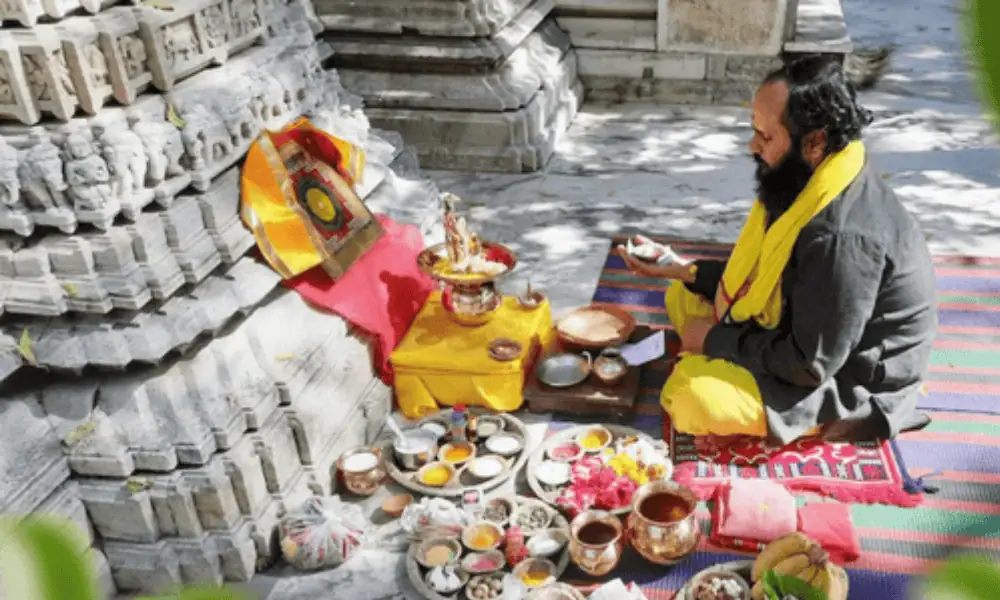
The Baglamukhi Mantra is traditionally viewed as a tool for seeking the grace of the Mother Goddess, who helps the devotee overcome their own internal limitations. By chanting with awareness, one learns to observe the patterns of the mind and gradually move toward a state of inner silence. This practice requires no external validation; it is a private conversation between the devotee and the divine.
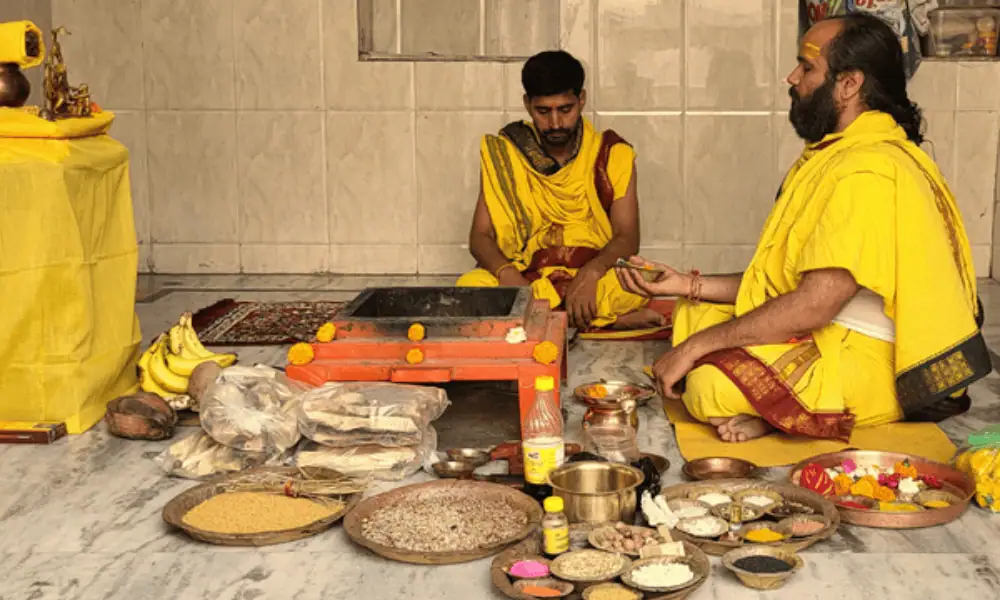
How to Approach the Baglamukhi Short Mantra for Beginners
For those starting their journey, simplicity is key. Attempting complex rituals without proper guidance can often lead to frustration. Instead, focus on establishing a clean, quiet space for your daily practice. Approach your seat with a clean body and a calm mind, ensuring that you are not rushing or under external pressure. Consistency is far more valuable than intensity; even a few minutes of focused repetition each day can foster a sense of grounding.
When practicing a short mantra, pay attention to the articulation of the syllables. In the Vedic tradition, the accuracy of pronunciation is a sign of respect, reflecting the care you put into your devotion. Start slowly, allowing the sound to fill your awareness. As you continue, you may find that the rhythm of the mantra helps you transition from the stresses of daily life into a state of meditative stillness. Always remember that this is a practice of surrender and faith, rather than a method of coercion or control.
Creating a Sacred Routine
Integrating a short mantra into your life does not necessitate a radical change in your lifestyle. It can be as simple as dedicating time during the early morning hours, which are traditionally considered conducive to spiritual focus. Create a small space where you feel comfortable and at peace. You might choose to light a diya or offer a simple prayer before beginning. This consistency helps to build a habit that supports your emotional and spiritual well-being over time.
As you deepen your practice, reflect on the qualities you wish to cultivate, such as patience, clarity, and inner strength. Maa Baglamukhi is often meditated upon as a source of wisdom that dispels confusion. By holding this intention in your heart, the mantra becomes a bridge to your higher self. Approach every session as an act of service and love, free from the desire for specific outcomes. This mindset is the hallmark of a true seeker.
Managing Expectations and Practicality
It is essential to distinguish between traditional devotional practice and the expectation of instant results. Spiritual growth is an organic process. While many find comfort and solace in their daily prayers, these practices should never replace practical action or professional advice. If you are facing legal, professional, or personal challenges, ensure that you address them through conventional means, such as consulting experts, seeking medical care, or taking responsible steps to resolve your issues. Devotion provides the inner resilience needed to face life’s challenges, but it is not a shortcut or a replacement for diligence and common sense.
The Importance of Humility and Devotion
Humility is the foundation of any authentic spiritual pursuit. When approaching the divine, acknowledge that the ultimate goal of the Baglamukhi short mantra for beginners is to align yourself with cosmic order and universal truths. By letting go of ego and attachment, you create space for grace to unfold in your life. This process is deeply personal and evolves uniquely for every practitioner. Avoid comparing your experiences to those of others, as each person’s journey is shaped by their individual nature and spiritual maturity.
Stay committed to your path, but be gentle with yourself. If you miss a day or find it difficult to concentrate, do not be discouraged. The Mother Goddess values the sincerity of the heart above the perfection of the ritual. Continue your practice with steady, quiet resolve, trusting that the effort you invest in your internal growth will bear fruit in its own time. Learning who is Maa Baglamukhi can also provide you with the necessary context to understand the symbolism behind the deity, enhancing the depth of your meditation.
Conclusion
Embarking on the path of Maa Baglamukhi is a profound commitment to self-discovery and spiritual refinement. By utilizing a simple, short mantra, you can begin to peel back the layers of mental restlessness and touch the stillness within. Remember that the beauty of this tradition lies in its ability to bring peace to the practitioner, helping you navigate the complexities of life with wisdom and balance. Keep your practice pure, your intentions honest, and your heart open to the grace that accompanies a sincere devotional life.
Frequently Asked Questions
Is it necessary to have an initiation from a guru to start chanting?
While formal initiation from a qualified guru is a deeply respected aspect of the lineage, beginners can start by studying the foundational teachings and adopting a daily habit of prayer and meditation. If you feel a strong calling toward advanced or specific sadhana, seeking a teacher who can guide you on the intricacies of the practice is the recommended path.
How long should I practice the mantra each day?
There is no fixed duration mandated for a beginner. The quality of your focus is much more important than the quantity of repetitions. Starting with a duration that you can maintain consistently, such as 10 to 15 minutes a day, is far more effective than an hour of practice that you cannot sustain. Consistency allows the practice to become an integral part of your life.
Can I practice this mantra if I am busy with work and family life?
Yes, the beauty of these traditions is that they can be integrated into a householder’s life. You do not need to retreat to a forest or mountain to be devoted. Finding a small, quiet window of time, perhaps early in the morning before your day begins, allows you to carry the energy of your practice with you throughout your responsibilities. It is about finding balance, not escaping the world.
What should I do if I feel distracted during my practice?
Distraction is a natural part of the human experience. When you notice your mind wandering, simply acknowledge the thought without judgment and gently guide your focus back to the sound of the mantra. This act of returning to the mantra is, in itself, a significant part of the training. Over time, your ability to remain concentrated will naturally improve through patient and regular practice.
Are there any restrictions on who can worship Maa Baglamukhi?
Devotion is a matter of the heart, and the divine welcomes the sincerity of all seekers. While certain specialized rituals and tantric practices may have specific traditional guidelines, the basic path of prayer, chanting, and meditation is open to everyone. For those seeking resources to aid their journey, you can visit the Baglamukhi Puja guide for information on respectful, traditional worship methods.