
Introduction to Maa Baglamukhi Mantras
In the vast tradition of Vedic spirituality, the practice of mantra chanting serves as a bridge between the seeker and the Divine. Among the various forms of the Mother Goddess, Maa Baglamukhi occupies a unique space, representing the power of ‘stambhana’—the ability to pause, stabilize, and bring clarity to the mind. Many devotees search for a comprehensive list of Baglamukhi mantras (by purpose) to understand how to align their devotional efforts with their inner spiritual intentions. At Baglamukhi Guru, we emphasize that these sacred sounds are not mere tools for achieving worldly gains but are profound vibrations intended to foster inner stillness and devotion.
Understanding that different mantras are associated with specific aspects of the Mother’s grace requires a grounded approach to Vedic knowledge. When we categorize these mantras by purpose, we are essentially organizing the various expressions of the Goddess’s energy, which can support a practitioner’s journey toward discipline, focus, and unwavering faith. It is essential to approach this path with reverence, patience, and a genuine desire to understand the deeper essence of the Divine feminine, rather than viewing these practices as quick solutions to complex human situations.
The Nature of Mantras in Vedic Tradition
A mantra is a sacred sound or vibration that resonates with the subtle energies of the universe. In the context of Maa Baglamukhi, the mantras are traditionally considered to be deeply potent. They are meant to be understood as vehicles for meditative focus, helping the practitioner quiet the ‘noise’ of the external world. When a devotee engages with these vibrations, the objective is typically to cultivate a mind that is clear, calm, and receptive to divine wisdom.
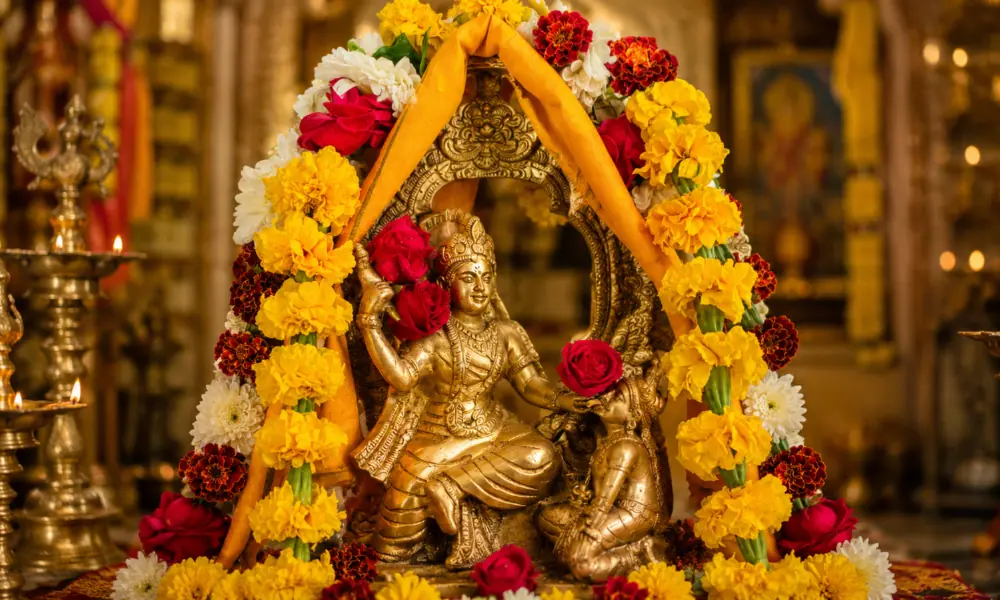
The traditional practice of mantra chanting, or japa, is an internal process. It involves the rhythmic repetition of a sound to center the mind and spirit. By focusing on the Divine through these specific mantras, one naturally begins to detach from reactive thoughts and impulsive behaviors. This process of introspection is what lies at the heart of all authentic Vedic traditions, ensuring that the devotee remains steady even in the face of life’s inevitable challenges.

Understanding the List of Baglamukhi Mantras (by Purpose)
While many seek a definitive list, it is crucial to recognize that the traditional categorization of these mantras is rooted in spiritual growth and the refinement of the practitioner’s character. Below, we explore how these categories are traditionally viewed within the Baglamukhi Mantra lineage.
Mantras for Inner Stability and Focus
The primary essence associated with Maa Baglamukhi is the stabilization of the mind. In moments of intense mental agitation or confusion, practitioners often turn to foundational mantras that are believed to help restore a sense of balance. These mantras are used to develop the inner strength required to face difficult decisions with grace and clarity. Rather than changing external circumstances, the purpose here is to change one’s internal relationship with them, fostering a state of equanimity that is unaffected by fleeting emotions.
Mantras for Cultivating Wisdom and Discernment
Wisdom is often described as the ability to perceive the truth beneath the surface of appearances. Certain mantras are traditionally recited to sharpen the intellect and enhance one’s capacity for clear judgment. By chanting these, the practitioner invites the Mother’s light to illuminate the path forward, helping to distinguish between temporary distractions and long-term spiritual goals. This focus on discernment is a hallmark of a dedicated spiritual life, where the goal is to see the world as it truly is, rather than through the lens of bias or fear.
Mantras for Devotional Dedication
The highest purpose of any mantra in the Vedic tradition is the deepening of one’s connection with the Divine. These mantras are meant to be recited with a heart full of surrender, recognizing that all grace flows from the Mother. When a devotee sets aside personal agendas and engages in daily recitation, they move toward a state of ‘bhakti’ or pure devotion. This is the foundation upon which all other spiritual practices rest, transforming routine chanting into a living prayer.
The Importance of Traditional Guidance
Engaging with the energy of Maa Baglamukhi is a serious and sacred endeavor. We strongly advise those interested in deepening their practice to seek the guidance of a knowledgeable teacher or to rely on traditional, authentic resources. The path of mantra is delicate; it requires not only correct pronunciation but also the right intent and the maturity to understand the responsibilities that come with such practices. A true student of the tradition knows that spiritual progress is a marathon, not a sprint, and that consistent, daily devotion is more valuable than sporadic, intense effort.
Furthermore, it is important to remember that mantras are not replacements for practical wisdom. If one faces a difficult legal or professional matter, the mantra provides the spiritual strength to act with integrity and wisdom, but it does not remove the necessity for legal counsel or hard work. Integrating spiritual practice with worldly responsibility is the hallmark of a balanced life. You can learn more about these principles through our guide on Baglamukhi Puja, which details the significance of respectful worship.
Conclusion
The journey with Maa Baglamukhi is one of self-discovery, discipline, and profound transformation. By exploring the list of Baglamukhi mantras (by purpose), you are essentially learning about the different ways to approach your own spiritual growth. Whether seeking stability, discernment, or a deeper devotional connection, the key lies in the consistency and sincerity of your practice. We invite you to view these mantras as companions on your path, helping you to remain steady and focused on the truth, regardless of the circumstances you encounter. May your efforts always be guided by love, patience, and a deep respect for the sacred traditions that have been passed down through generations.
Frequently Asked Questions
How should one begin the practice of chanting these mantras?
One should begin by establishing a quiet, clean, and dedicated space for meditation. It is best to start with a simple, consistent routine, perhaps reciting a basic mantra for a few minutes daily, with a focus on clear pronunciation and a respectful heart. Developing a habit of regularity is far more significant than the quantity of repetitions in the beginning stages.
Is it necessary to have a guru to start chanting?
While one can certainly study and learn the basics of mantras through reputable and traditional sources, having a teacher or guru provides invaluable context, correction, and support. A teacher helps a student understand the subtle aspects of practice and ensures that the devotional path is walked with maturity and balance.
Can these mantras be chanted by anyone at any time?
Vedic tradition emphasizes a respectful and intentional approach to these practices. While the spirit of devotion is always welcome, it is traditionally advised to maintain a sattvik (pure) lifestyle and mindset when engaging in serious mantra japa. One should avoid rushing through the practice and instead create a time where one can be fully present and undisturbed.
Do these mantras provide immediate solutions to my problems?
Mantras are not magical tools for quick fixes. They are spiritual practices meant to refine the mind, increase patience, and provide the inner clarity needed to navigate life’s challenges. The ‘result’ of a mantra is often a change in the practitioner’s own perspective and strength, which in turn helps them address their life situations with more wisdom and calm. For further reading on the depth of these practices, visit our page on who is Maa Baglamukhi.
How long does it take to see the effects of mantra chanting?
Spiritual progress is personal and subjective. There is no set timeline, as the ‘effect’ of a mantra is an internal shift that happens gradually through consistent, dedicated practice. A practitioner should focus on the quality of their devotion rather than looking for immediate outcomes, trusting that the effort itself is a step toward greater spiritual maturity.