
Introduction to the Devotional Path
In the vast expanse of Vedic traditions, the worship of the Divine Mother takes many forms, each representing a unique facet of cosmic energy. Maa Baglamukhi is often revered as the embodiment of Stambhana Shakti—the power to pause, reflect, and find clarity amidst the chaos of life. For those seeking a deeper connection with this form of the Goddess, understanding Baglamukhi mantra benefits is often the first step toward a focused spiritual practice. At Baglamukhi Guru, we emphasize that these mantras are not merely sets of words but are vibrational tools intended to align the practitioner’s inner state with higher levels of awareness and patience.
Devotion to Maa Baglamukhi is essentially a process of self-refinement. It is rooted in the understanding that our external challenges—whether in communication, decision-making, or interpersonal relationships—often stem from internal turbulence. By engaging with sacred sounds, a practitioner seeks to cultivate stillness, emotional balance, and the strength to face life’s complexities with grace. It is important to approach this practice with a sattvik mindset, focusing on purity, consistency, and a sincere heart rather than expecting immediate, worldly outcomes.
The Nature of Mantra Sadhana
Mantra sadhana is a cornerstone of Vedic spiritual life. A mantra is considered a sacred sound vibration that, when chanted with focus and respect, serves as a bridge between the individual soul and the divine. When discussing Baglamukhi mantra benefits, one must recognize that the primary benefit is the cultivation of deep, meditative focus. The practice helps in anchoring the restless mind, allowing the practitioner to perceive reality with greater clarity and less reactive emotional bias.
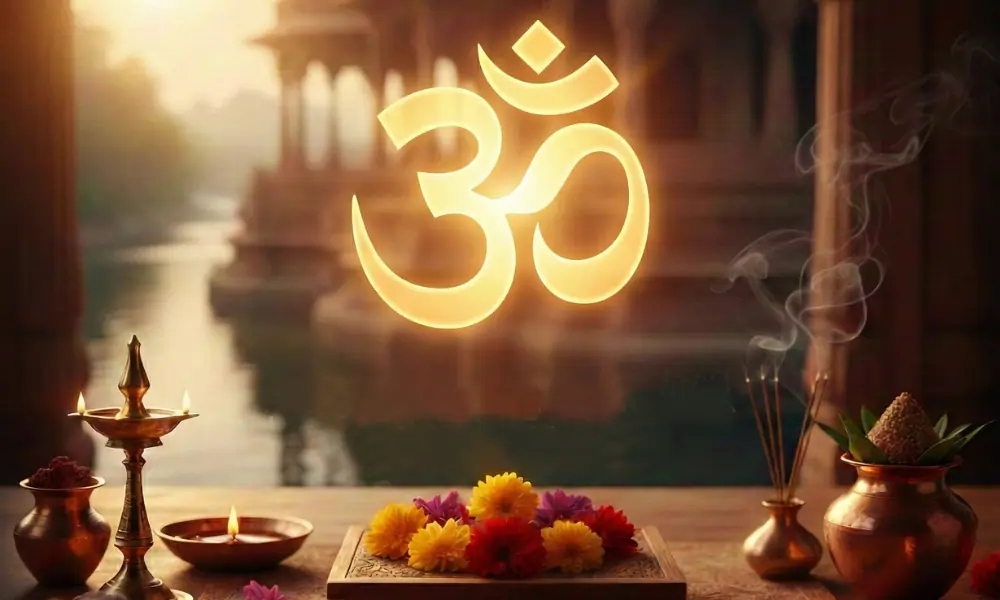
The traditional approach to this practice involves more than just vocal repetition. It requires a sustained commitment to discipline and inner cleanliness. Consistency in time, place, and frame of mind creates a sanctuary of peace within the practitioner’s daily routine. As one learns more about the traditional practice and pronunciation, the connection to the deity deepens, transforming the mantra from a simple ritual into a lived experience of devotion. This commitment acts as a form of spiritual anchor, providing a steady rhythm to one’s life that helps maintain balance even during external disturbances.
Finding Clarity and Intellectual Stillness
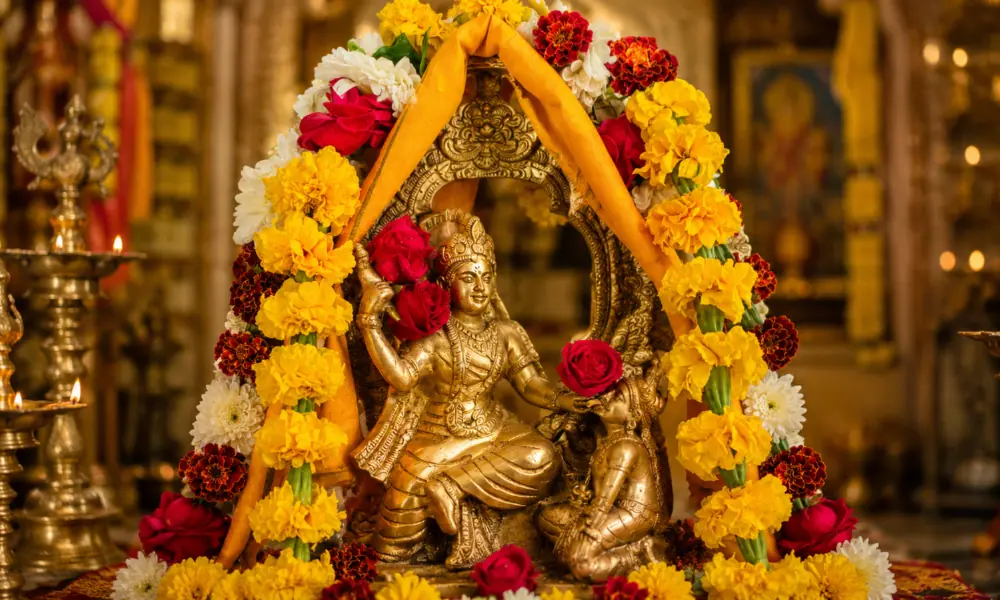
One of the most significant aspects of the practice is the development of intellectual and emotional restraint. Maa Baglamukhi is traditionally associated with the ability to bring stillness to the mind, especially when faced with heated arguments, confusion, or moments of intense pressure. This is not about exerting control over others or manipulating circumstances, but rather about gaining control over one’s own reactions. Through persistent practice, a devotee often finds that their ability to communicate effectively and think clearly before speaking improves significantly.
This mental stillness is a profound benefit in today’s fast-paced world. By turning inward, the practitioner learns to pause before reacting, which is the essence of wisdom. This process of introspection helps in untangling complicated thoughts and resolving inner conflicts. Consequently, the external environment—though it remains unchanged—appears less overwhelming because the individual is approaching it from a place of centeredness and tranquility. The power of the mantra, in this context, acts as a reflective mirror that allows the practitioner to see their own biases and reactive patterns clearly, facilitating personal growth and emotional intelligence.
The Role of Sankalpa in Spiritual Practice
A crucial component of any advanced sadhana is the Sankalpa, or the firm resolution made before starting the practice. In the context of Baglamukhi sadhana, this is not merely a wish for a specific outcome, but a solemn vow to maintain discipline and devotion. Establishing a clear, Sattvik intent ensures that the energy generated through the practice is channeled toward positive spiritual growth and the refinement of character. By aligning one’s internal resolve with the external act of chanting, the devotee creates a powerful feedback loop that reinforces their commitment to a life of wisdom and integrity.
This aspect of the practice teaches the practitioner to be deliberate in their actions and speech. When one moves through life with a sense of purpose and a clear mental foundation, the benefits of the practice begin to manifest in the form of increased resilience, better decision-making capabilities, and a more composed demeanor in the face of life’s inevitable fluctuations.
Devotion as a Daily Practice
For those interested in incorporating these traditions into their lives, it is essential to view the practice as a lifelong journey. Spiritual growth is subtle and cumulative. The benefits of any mantra practice are best realized through dedication over time rather than through one-off rituals. When a practitioner approaches Maa Baglamukhi with a sattvik intention—seeking wisdom, strength of character, and spiritual evolution—the practice naturally becomes a source of inner support.
It is helpful to combine mantra repetition with other devotional acts. For instance, understanding the traditional significance of worship and traditional rituals can greatly enhance one’s overall experience. Whether through quiet meditation, sincere prayer, or reflective study, the goal remains the same: to foster a respectful and loving relationship with the Divine Mother. This relationship acts as a guiding light, providing comfort and strength through all seasons of life. By dedicating a specific time each day to this silence, you create a sacred space that belongs solely to your spiritual growth, helping you to remain grounded despite the noise of the modern world.
Approaching Challenges with Grace
In the face of adversity, many individuals turn to spirituality for resilience. The practice associated with Maa Baglamukhi encourages a shift in perspective. Instead of viewing challenges as enemies to be defeated, the spiritual aspirant begins to see them as opportunities for personal growth and endurance. This change in mindset is perhaps one of the most practical applications of the mantra.
By cultivating a meditative space, one gains the emotional buffer required to navigate professional or personal setbacks without losing one’s peace of mind. It is a path of empowerment through self-regulation. We believe that when an individual is grounded and clear-headed, they are better equipped to handle life’s realities, make informed decisions, and move forward with integrity. It is always recommended to pair spiritual efforts with practical wisdom and necessary professional actions, as spiritual practice is meant to complement, not replace, our earthly responsibilities. True strength, in this tradition, comes from the inner quietude that allows one to observe, understand, and then act with precision and clarity.
Integrating Vedic Wisdom into Modern Living
Modern living is often defined by excessive stimulation and the constant need to react to external stimuli. The wisdom underlying Baglamukhi sadhana offers a direct antidote to this condition. By learning to harness the power of stillness, the practitioner finds that they can navigate complex professional environments and personal dilemmas with a newfound sense of ease. The mantra serves as an internal anchor that, when regularly engaged, naturally stabilizes the nervous system and fosters a state of equanimity. This isn’t about becoming indifferent, but rather about becoming so deeply centered that the ups and downs of daily life no longer disturb the core of one’s peace. As you continue your practice, you may notice that you are less prone to impulsive decisions and more inclined to wait for the right moment, acting with patience and foresight.
Conclusion
The journey with Maa Baglamukhi is one of transformation and profound self-discovery. By focusing on the inner benefits of the mantra—patience, clarity, and emotional maturity—the practitioner embarks on a path that leads to long-term spiritual well-being. At Baglamukhi Guru, we encourage everyone to approach these traditions with reverence, patience, and a genuine desire to improve their inner life. As you integrate these practices into your daily rhythm, may you find the stillness and wisdom needed to navigate your journey with grace.
Frequently Asked Questions
What is the most important aspect of practicing a mantra?
The most important aspect of mantra practice is the attitude of sincerity and consistency. Rather than focusing on how many times a mantra is chanted, focus on the quality of your attention and the purity of your intent. A calm, respectful, and disciplined approach is considered far more effective than a forced or mechanical one.
Can mantra practice help with daily stress?
Yes, many practitioners find that the regular repetition of a mantra helps ground the mind and reduce mental chatter. By providing a focal point for your thoughts, the practice can help you transition from a reactive state to a more centered and peaceful state, which is very helpful when managing daily stress and pressure.
Do I need special items to begin my practice?
While some traditions use specific materials like malas or lamps to aid focus, the most essential tools are your own dedication and respect. External items are secondary to your inner state. If you are new to the path, it is better to start simply and learn the symbolism and meaning behind the deity you are honoring to ensure your practice is well-informed.
How long does it take to see benefits from the mantra?
Spiritual growth is a subtle and gradual process. It is not helpful to look for immediate or miraculous results. Benefits such as improved mental clarity, greater patience, and a sense of inner calm often manifest slowly over time as a direct result of your consistent, disciplined efforts and your changing perspective on life.
Is this practice suitable for everyone?
Yes, the devotional path is open to anyone who approaches it with genuine respect and a sincere heart. It is a personal journey, and there is no pressure to adopt any specific lifestyle beyond cultivating a peaceful and balanced mind. We always encourage practitioners to maintain their practical duties and responsibilities alongside their spiritual life.