
Understanding the Nature of Mantra Practice
In the path of Vedic spiritual discipline, the recitation of mantras is considered a profound internal process rather than an external mechanism for manipulating reality. Maa Baglamukhi, one of the Dasha Mahavidyas, is revered for her ability to still the agitated mind and cut through illusions. When individuals seek information about potential “side effects” of her mantra, they often express a healthy concern regarding the intensity of spiritual practice. It is essential to approach this subject with clarity, moving away from fear-based myths and toward a grounded, traditional understanding of what it means to engage with high-energy spiritual vibrations.
The term “side effect” is borrowed from modern medicine and does not accurately translate into the context of Sanskrit mantra science. In the Vedic tradition, spiritual practices are designed to purify the consciousness. If a practitioner experiences discomfort, it is rarely due to a “curse” or a punitive reaction from the deity. Instead, it is usually a sign that the practitioner needs to refine their approach, practice more consistently, or ground themselves in daily lifestyle stability. Understanding the meaning and symbolism of Maa Baglamukhi is the first step toward moving from a place of apprehension to one of reverence. Approaching the Mother requires a foundation of respect, as the mantra acts as a mirror, reflecting one’s own inner state back to the seeker to facilitate growth.
The Reality of Mantra Intensity
There is a common misconception that Maa Baglamukhi’s energy is inherently volatile or dangerous. In truth, the nature of the Divine is always protective. The intensity associated with this form of the Mother Goddess relates to the power required to silence negative thoughts, inner distractions, and the chaos of the ego. When a person begins a serious mantra practice, they are essentially shining a light into the deeper corners of their own mind. If one finds themselves feeling overwhelmed, it is often because unresolved emotional patterns or psychological tensions are coming to the surface to be resolved.
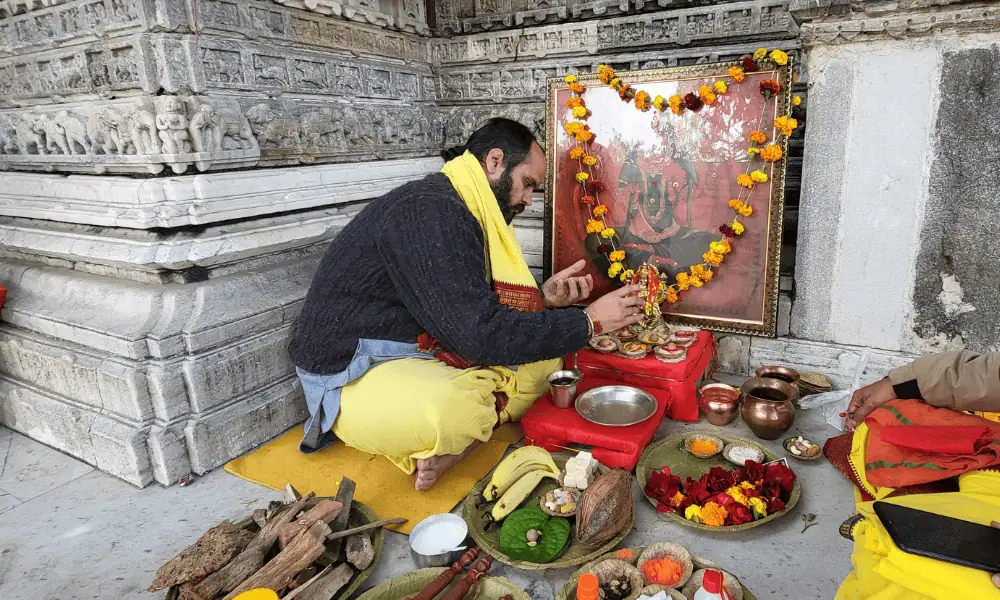
This process of internal cleansing can feel unsettling, but it is a natural part of any deep spiritual journey. It is not an adverse side effect; it is the friction caused by the ego resisting the clarity brought by the mantra. Traditional teachers emphasize that a stable lifestyle—characterized by a sattvik diet, honest conduct, and patience—acts as the foundational container for these practices. Without a solid foundation of ethics and discipline, the mind may feel turbulent, but this is a reflection of the practitioner’s state of mind, not a “harmful consequence” of the mantra itself. True spiritual work involves a gradual refinement of the nervous system to handle increased awareness, a process that requires both time and a steady, balanced approach to life.
Myths Versus Traditional Teachings
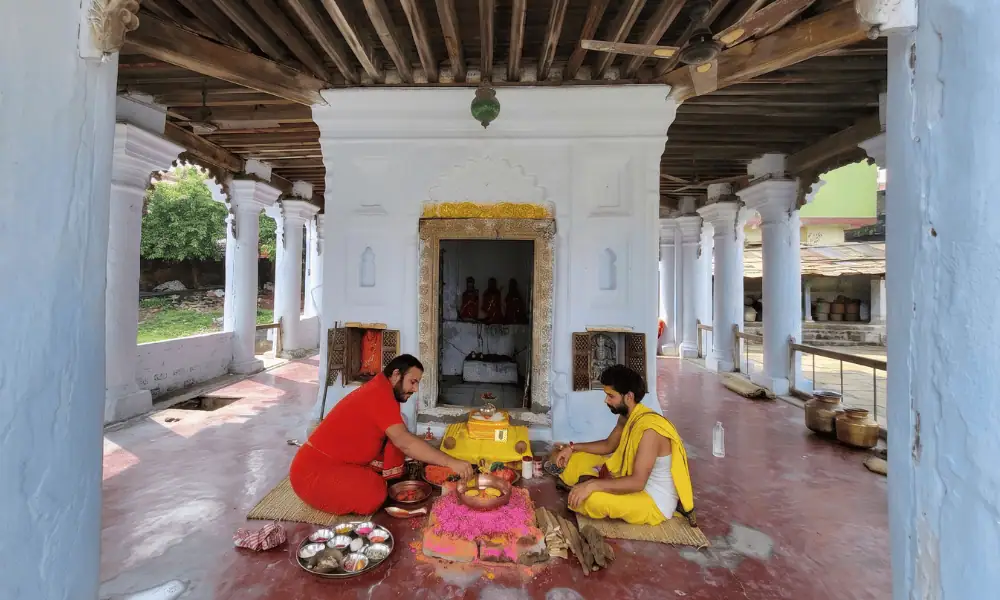
Many myths circulating online suggest that mispronouncing a mantra or failing to follow complex ritual procedures will lead to negative outcomes. While traditional practitioners hold that correct pronunciation (svar-sadhana) is important for the efficacy of the vibration, the idea that a mistake will cause a tragedy is a misunderstanding of the loving relationship between a devotee and the Divine. The Mother is not waiting for a mistake in order to inflict suffering; she is the embodiment of compassion who guides the seeker.
Fear is the antithesis of devotion. If your motivation for chanting is rooted in anxiety or a desire to control external outcomes, you are likely to experience mental stress. This stress is often misidentified as a “side effect” of the mantra. True traditional mantra practice involves surrendering the need for specific outcomes and focusing instead on the purification of the heart and the silencing of internal conflicts. When the practice is approached as an offering rather than a demand, the experience becomes one of peace rather than agitation. Many newcomers to the path often become fixated on the speed of results, but the tradition teaches that lasting transformation occurs when one releases expectations and trusts in the Mother’s grace.
The Importance of Balanced Practice
To ensure a healthy spiritual experience, it is vital to balance the intensity of your practice with a grounded life. Many seekers make the mistake of jumping into lengthy, rigorous repetitions without any prior experience in meditation or spiritual discipline. Just as one would not start lifting heavy weights without preparation, one should approach intense spiritual practices with gradual steps. Consistency, humility, and patience are far more valuable than large, rushed quantities of mantra repetition.
If you find that your practice is causing you significant distress, it is often wise to pause and reflect on your daily life. Ensure that your physical health is stable and that you are maintaining a balanced mental state. Remember that rituals are meant to support your journey toward inner stillness. If you seek to understand the practice more deeply, focus on the traditional significance of puja and the foundational principles of devotion rather than seeking quick results or magical interventions. Spirituality is a marathon of self-transformation, not a sprint for external success. A balanced practitioner understands that the integration of spiritual insights into daily conduct is where the true power of the mantra is realized.
Navigating the Path with Wisdom
A significant aspect of spiritual development involves discerning between genuine spiritual growth and the mental noise that often accompanies silence. As the mind becomes quieter, one may suddenly become more aware of deep-seated fears or past impressions (samskaras). These impressions are not caused by the mantra; rather, the mantra acts as the catalyst that brings them into the conscious mind so they may be released. Experienced practitioners often report that the most challenging times in their practice were also the times of their greatest growth. Maintaining a routine that includes physical exercise, spending time in nature, and engaging in simple daily tasks helps anchor the energy, allowing the spirit to expand without feeling unmoored.
Furthermore, it is important to avoid the trap of intellectualizing the practice. While understanding the philosophy is helpful, the actual recitation is a matter of the heart. By grounding yourself in the basic principles of righteousness, or Dharma, you create a supportive environment for the mantra to work. The Mother is often described as the one who paralyzes the false to reveal the truth; if this process feels overwhelming, it is simply because the truth requires a complete letting go of old, maladaptive habits and perspectives. Trust the process, maintain a steady pace, and remain open to the guidance that comes from within.
Cultivating a Sattvik Mindset
A sattvik (pure) mindset is the best protection against any feelings of imbalance. This means nurturing qualities like patience, forgiveness, and clarity in your speech and actions. The Mother does not require complex or fearful rituals; she requires the purity of intent. By focusing on your daily duties and treating others with respect, you align your energy with the harmony that the mantra seeks to promote. This creates a natural shield of peace around you, making your spiritual journey smooth and steady.
In conclusion, the concerns regarding Baglamukhi mantra side effects often stem from misinformation and a lack of understanding regarding the depth of Vedic traditions. When you approach the practice with respect, humility, and a clear heart, the mantra becomes a source of profound strength and inner clarity. Always prioritize your overall well-being and remember that the Divine Mother is the ultimate source of support for her devotees. Your path is uniquely yours, and by walking it with patience and sincere devotion, you will find that the only ‘side effect’ of this practice is a gradual, consistent rise in awareness and an unshakable inner stillness that sustains you through the challenges of life.
Frequently Asked Questions
Is it true that Maa Baglamukhi’s mantra is dangerous?
No, there is nothing inherently dangerous about the mantra. It is a powerful spiritual tool used for silencing the mind and removing inner obstacles. Any feelings of discomfort are typically related to the internal purification process and the practitioner’s current state of mind rather than any harmful energy.
What should I do if I feel overwhelmed after chanting?
If you feel overwhelmed, it is best to reduce the quantity of your practice or take a break to focus on grounding activities. Ensure you are maintaining a healthy lifestyle, adequate sleep, and a peaceful environment. Focus your energy on simple acts of kindness and calm contemplation.
Does incorrect pronunciation cause negative side effects?
While traditional practice emphasizes the importance of correct sound and rhythm, the idea that minor mistakes will result in punishment is a misconception. Focus on sincerity, devotion, and a steady heart. The Divine values your intention and effort above all else.
Do I need an expert to guide my practice?
While having guidance from a knowledgeable teacher or following established traditional resources is highly beneficial, the most important element is your own personal discipline and devotion. Approach your practice with patience, and never hesitate to seek advice from reputable, traditional sources of wisdom.
Can I practice this mantra to get rid of my enemies?
Vedic traditions view the mantra as a tool for inner transformation and the silencing of the ego, which is the source of all conflict. Using spiritual practices for the purpose of harming others is contrary to the sattvik nature of this path. True practice aims to cultivate inner peace and resolve outer conflicts through wisdom and clarity.