
Understanding the Essence of Mantra Jaap
The practice of mantra chanting is a cornerstone of Vedic spiritual life. It is not merely a mechanical repetition of sounds but a profound process of aligning one’s internal state with the energy of the Divine. When approaching the Baglamukhi Mantra, practitioners seek to cultivate clarity, stillness, and a deeper connection to the principles represented by the Mother Goddess. Maa Baglamukhi is often revered as the force that brings stillness to chaos, and her mantra acts as a medium to bring that same tranquility into the practitioner’s own mind.
Devotion, or Bhakti, is the primary requirement for any spiritual practice. When one engages in Baglamukhi Mantra Jaap: How to Chant, the focus should remain on sincerity and respect rather than seeking external rewards or immediate results. Authentic tradition emphasizes that the power of the mantra lies in the disciplined focus of the devotee and the purity of their intention. By engaging in this practice regularly, a person often finds themselves developing greater patience and mental composure.
Preparation for the Practice
Before beginning any form of formal meditation or mantra recitation, establishing a supportive environment is helpful. Traditional Vedic practices favor a space that is quiet, clean, and dedicated to spiritual activity. This environment helps to signal to the mind that it is time to transition from the distractions of daily life to a state of inner reflection. Whether one has a dedicated puja room or simply a quiet corner, the space should be treated with reverence.
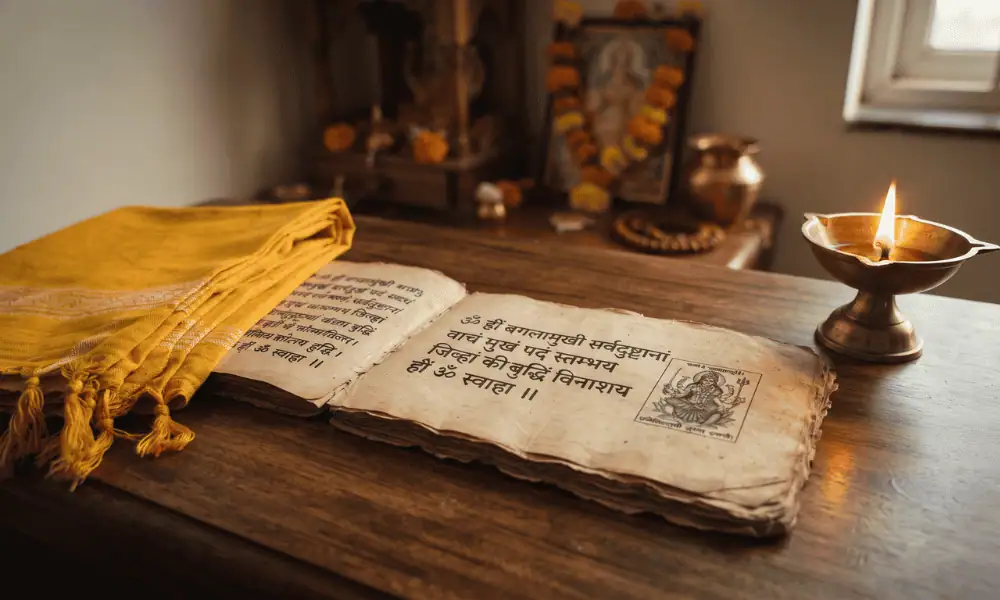
Physical preparation is equally important. It is customary to bathe or ensure one is clean before starting the practice. Wearing clean, comfortable clothing, preferably in simple colors, helps create a sattvik atmosphere. Sattva, or purity, is the ideal state of mind for meditation. By minimizing external agitation, the practitioner can better concentrate on the sound of the mantra, allowing it to resonate within. It is not about strict perfection, but about showing respect to the practice and the deity through one’s actions.
The Process of Chanting
When you are ready to begin the Baglamukhi Mantra Jaap, start by sitting in a comfortable posture. A steady seat, such as a folded mat or cushion, allows the body to remain upright and alert without unnecessary strain. Close your eyes and take a few moments to steady your breath. Once you feel grounded, you may begin the recitation. Many practitioners use a mala—a string of beads—to help keep count and maintain focus, although the most important aspect is the quality of the internal concentration.
As you chant, aim to maintain a steady, moderate pace. It is more beneficial to chant slowly and with clear intention than to rush through the recitation. Listen to the sound of each syllable as it arises and fades. If your mind begins to wander, as it naturally will, gently bring your focus back to the mantra without judging yourself. This act of redirection is, in itself, a significant part of the training. Over time, the repetition can become a source of profound internal rhythm that settles the restless mind.
It is important to remember that mantra practice is a journey, not a destination. One should not expect overnight transformations or specific outcomes. Instead, the practice is a tool for self-discipline and refinement. Regular, daily engagement is far more effective than sporadic, intense sessions. By carving out a consistent time each day—whether early in the morning during the Brahmamuhurta or in the quiet of the evening—you build a lasting devotional habit that supports long-term growth.
Understanding the Role of Puja
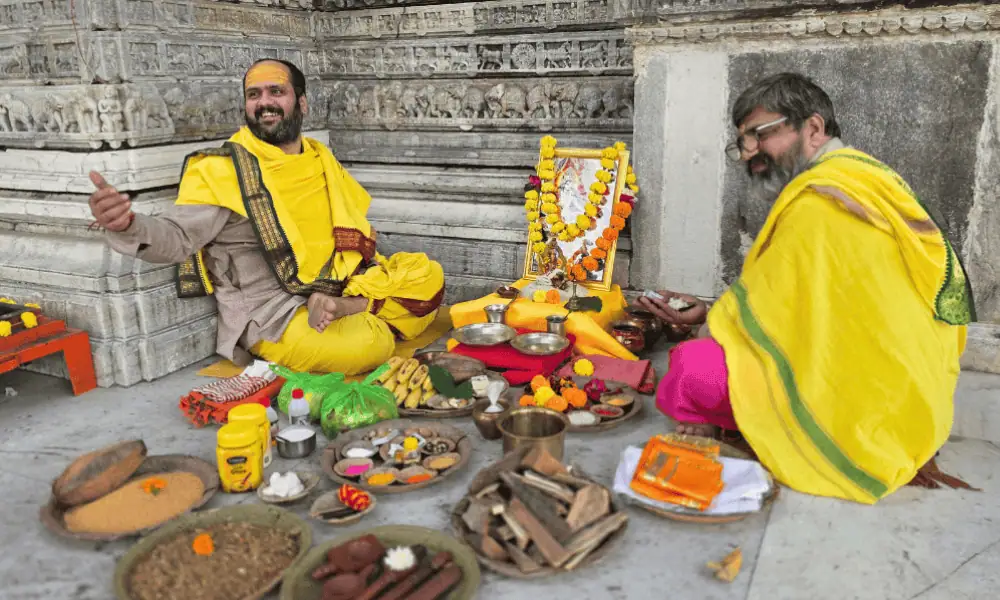
While the mantra is a powerful focal point, it is often integrated into a broader devotional framework known as Baglamukhi Puja. Puja serves as an act of hospitality and surrender to the Divine. By offering items like flowers, incense, or light, the devotee acknowledges the presence of the sacred in their life. This ritualized expression of gratitude can deepen the emotional connection felt during mantra chanting. When the mind is prepared through puja, the subsequent meditation often feels more natural and profound.
It is worth noting that these rituals are not meant to replace professional advice or practical actions in our daily lives. Whether one is facing personal, business, or legal concerns, traditional Vedic practices are best understood as a supplement to our responsibilities in the material world. Engaging in a healthy, balanced lifestyle, seeking expert guidance when needed, and maintaining an ethical approach to one’s duties are the foundational steps of a wise life. Spiritual practice then serves as a way to remain grounded and clear-headed while navigating those responsibilities.
Maintaining a Sattvik Lifestyle
The efficacy of any mantra practice is supported by one’s broader approach to living. A sattvik lifestyle involves moderation, truthfulness, and kindness toward all beings. When our daily actions align with these values, the mind naturally becomes more receptive to the subtle effects of the mantra. Avoid cluttering the mind with unnecessary information or engaging in excessive conflict. Instead, focus on cultivating qualities like patience, compassion, and humility.
Many find that keeping a small journal or reflecting on their progress helps maintain motivation. However, do not treat the practice as a list of tasks to be completed. Let it be a refuge—a time of the day where you set aside the roles you play in the world to simply be present with the Divine. When practiced with this humble attitude, the meaning of Maa Baglamukhi and the wisdom she represents can slowly unfold within the heart of the seeker.
Conclusion
Learning Baglamukhi Mantra Jaap: How to Chant is a path of patience and sincerity. There are no shortcuts in the spiritual journey; the value lies in the consistency of the practice and the dedication of the practitioner. By maintaining a clean space, a focused mind, and a heart full of respect, you create an environment where spiritual growth can flourish. Remember to approach your practice with joy and curiosity, allowing the mantra to be a companion that guides you toward stillness and clarity. Through Baglamukhi Guru, we hope to provide the resources and guidance necessary to support your path, ensuring that your devotional efforts are always grounded in traditional understanding and reverence.
Frequently Asked Questions
Is it necessary to use a mala during mantra jaap?
Using a mala is a traditional aid that helps keep track of repetitions and anchors your concentration, but it is not strictly mandatory. The essence of the practice is the focus and sincerity you bring to the chanting. You may use a mala if it helps you stay present, or you may simply chant for a set period of time.
What is the best time of day for this practice?
Traditionally, the hours just before sunrise, known as Brahmamuhurta, are considered ideal for spiritual practice as the environment is quiet and the mind is naturally calm. However, the most important aspect is choosing a time when you can be consistent and free from interruptions. Choose a time that fits your schedule and allows you to be fully present.
Should I chant the mantra aloud or silently?
Both methods are practiced in different traditions. Chanting aloud (Vaikhari) can be helpful in the beginning to maintain focus and occupy the senses. As you become more comfortable, you might shift to whispering or internal mental repetition (Manasika), which is often considered deeper and more subtle. Follow the method that helps you feel most connected and peaceful.
How long should I practice each day?
There is no fixed requirement for duration, as consistency is far more important than intensity. Start with a manageable amount of time, such as 10 or 15 minutes, and maintain that daily. It is better to practice for a shorter time consistently for months than to practice for an hour once a week.
Can I listen to recordings of the mantra instead of chanting myself?
Listening to recordings can be a wonderful way to learn the pronunciation and set a meditative mood in your space. However, active chanting involves the participation of your own breath, voice, and focus, which creates a more personal and direct connection to the practice. You might consider using recordings to help you learn, and then gradually transition to your own personal recitation.