
Understanding the Path to Marital Harmony
In the journey of life, marriage is often considered one of the most significant milestones. It is a union that brings together two distinct personalities, each with their own history, expectations, and challenges. When individuals seek spiritual support, they often turn to the wisdom of Vedic traditions to foster patience, understanding, and clear communication within their relationships. Many practitioners find solace in the study of Maa Baglamukhi, viewing her energy as a force that helps in piercing through confusion and disharmony.
When someone looks into the Baglamukhi Mantra for Marriage and Married Life, they are generally not seeking a magical intervention to change another person’s nature. Instead, the focus is placed on personal introspection and the cultivation of an internal state of peace. By approaching the divine with sincerity, one may find the strength to address misunderstandings or to navigate difficult phases in a relationship with renewed wisdom. It is essential to understand that spiritual practices are meant to complement our efforts in communication and mutual respect rather than replace them.
Marriage represents a sacred commitment, requiring constant nurturing and emotional labor. Vedic tradition suggests that when the mind is clouded by stress, anger, or misperceptions, our ability to connect with our spouse is significantly hindered. The invocation of divine energy is intended to clear this internal fog, allowing practitioners to see the truth of their situation without the distortion of ego or temporary emotional volatility.
The Significance of Devotional Practice
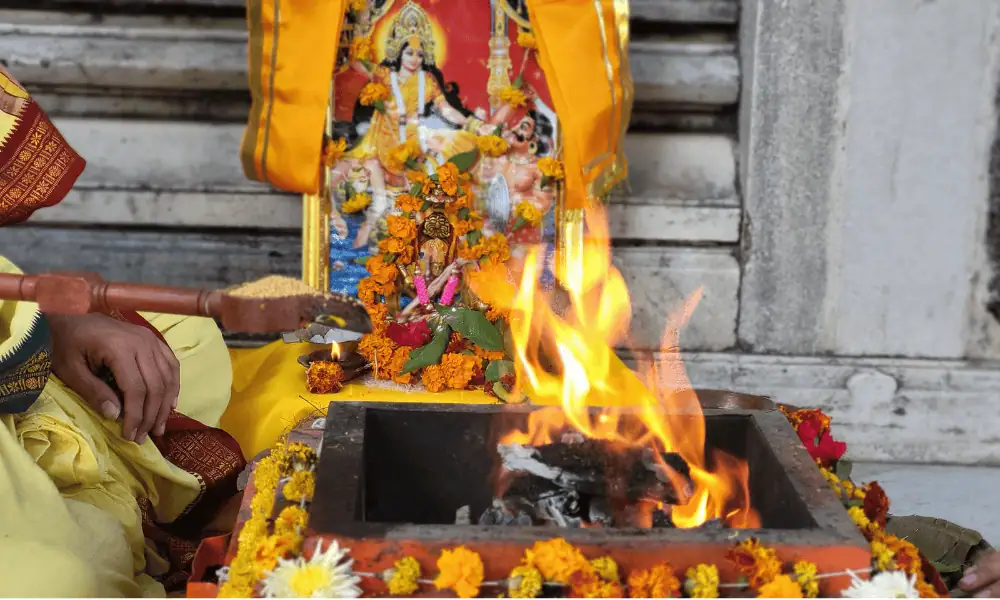
Spiritual life is deeply rooted in the concept of consistency and intent. The practice of mantra recitation is viewed by many as a way to align one’s mind with higher virtues such as compassion and patience. When a person dedicates time to a meditative practice, they often find that their perspective on their marriage begins to shift. Challenges that once seemed insurmountable may appear more manageable when approached with a calm and centered spirit.
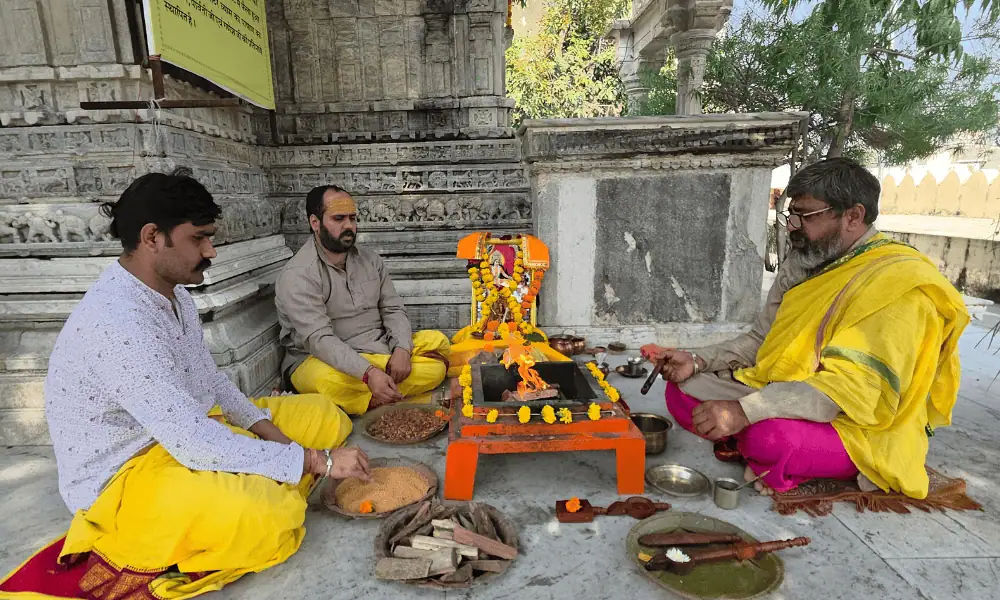
Devotion to the Divine Mother, as understood in the Baglamukhi Meaning, emphasizes the importance of clarity. In the context of a marriage, clarity involves understanding one’s own role, recognizing the needs of one’s partner, and letting go of ego-driven conflicts. This is not about winning an argument or exerting control; it is about reaching a place of profound emotional resonance where love can flourish without the interference of unnecessary friction.
True devotion involves a surrender of the rigid ego that often stands in the way of marital bliss. By focusing on the Divine Mother, the practitioner seeks to dissolve the barriers of pride that cause distance between spouses. This shift in consciousness allows for a more selfless way of loving, where the happiness of the partner becomes as important as one’s own. This is the essence of building a strong, spiritual foundation that can withstand the inevitable ups and downs of domestic life.
Cultivating Patience and Communication
A successful marriage is often built on the foundation of effective communication and unwavering patience. External pressures—whether related to work, family dynamics, or social expectations—can sometimes cloud our judgment and lead to avoidable discord. Many who practice traditional Vedic rituals believe that these routines help in stilling the mental chatter that often fuels resentment.
If you are exploring the Baglamukhi mantra as part of your spiritual discipline, it is helpful to approach it with a sattvik (pure) intention. The objective is to cultivate a heart that is open to listening and a mind that is capable of discerning truth from emotional reactivity. By focusing on your own personal growth, you may naturally influence the dynamic of your household for the better. Remember that spiritual growth is a gradual process that rewards persistence, humility, and genuine self-reflection.
Effective communication is not merely the exchange of words; it is the art of listening to what remains unsaid. Often, underlying frustrations in a marriage arise from deeper, unaddressed insecurities. By integrating a meditative practice, individuals may find that they gain the mental space required to respond to their partner with kindness rather than reacting with defensiveness. This emotional intelligence is a hallmark of a mature, healthy relationship, and it is greatly supported by a disciplined spiritual life.
The Philosophy of Stability
In the Vedic sciences, the energy represented by Maa Baglamukhi is often linked to the concept of ‘stambhan,’ which translates to the ability to stabilize or bring to a standstill. In a marital context, this does not mean enforcing silence or suppressing the partner. Rather, it signifies the ability to halt the cycle of reactive behavior. When a conflict starts to spiral, the practice of a mantra can act as a circuit breaker, allowing the practitioner to pause, reflect, and choose a more constructive path forward. By achieving this internal stabilization, the home environment naturally becomes more peaceful and conducive to mutual growth.
Practical Guidance for Your Spiritual Journey
If you choose to incorporate a mantra into your daily life, simplicity is key. It is common to feel overwhelmed by complex rituals, but traditional wisdom suggests that the quality of your devotion far outweighs the complexity of the procedure. Begin by setting aside a quiet, clean space where you can sit comfortably without distractions. Focus on your breathing and allow your mind to settle before you begin any practice.
Consistency in timing—such as practicing during the early morning hours—can enhance the efficacy of your meditation. When the mind is fresh and undisturbed by the day’s stressors, it is more receptive to positive intentions. Use this time not just to recite, but to set a clear intention for the harmony of your family. Visualize the resolution of conflicts and the growth of love, keeping your heart open to whatever lessons may come your way.
It is important to understand that no mantra serves as a substitute for professional counseling or honest, direct conversations with your spouse. If you are facing significant marital distress, seek help from qualified professionals who can provide practical guidance. The role of the Baglamukhi Mantra is to act as a spiritual anchor, providing you with the inner fortitude to pursue healthy solutions and the wisdom to act with kindness during challenging times.
The Role of Inner Transformation
Ultimately, the most profound changes in a marriage often stem from a change in oneself. When one partner begins to embody qualities of calmness, forgiveness, and clarity, the entire energy of the relationship can shift. Maa Baglamukhi is often associated with the power of ‘stambhan’ or stillness—not in the sense of force, but in the sense of bringing chaos to a state of equilibrium. By invoking this stillness, you invite the possibility of resolving disputes and finding common ground where there was once only distance.
Approach your practice without expectations of immediate, external results. True spiritual development is about the evolution of the self. As you grow in patience and understanding, you may find that the quality of your relationship improves as a natural byproduct of your own inner peace. This journey is yours to take, and it requires nothing more than a sincere heart and a commitment to living with greater awareness.
Transformation is rarely an overnight phenomenon. It is found in the repeated, conscious choice to be better than you were yesterday. When you bring this dedication into your marriage, you transform the relationship from a series of demands into a partnership of mutual spiritual advancement. Keep your focus on your own character, and the external fruits of your practice will manifest in due time.
Frequently Asked Questions
Can the Baglamukhi mantra solve all marital problems?
No mantra or spiritual practice can act as a substitute for professional guidance, communication, and mutual effort. The purpose of practicing a mantra is to foster inner clarity, patience, and a calm mind, which can help you navigate challenges more effectively. It is a tool for personal growth rather than a quick fix for complex relationship issues.
How long should I recite the mantra to see a change?
Spiritual practice is not a transactional process with a guaranteed timeline. The goal is to cultivate a consistent, devotional routine that brings peace to your mind. Focus on the quality of your focus and the purity of your intent rather than the duration or a specific outcome. Changes in your own perspective and demeanor are the most reliable indicators of your progress.
Do I need to perform a havan for my marriage to improve?
A havan is a traditional ritual that some choose to perform to deepen their spiritual connection, but it is entirely a personal choice. It is not a requirement for a healthy marriage. The most important elements of any spiritual practice are sincerity, humility, and the desire to improve one’s own character. You can find more information on the significance of these rituals on the Baglamukhi Havan page if you are interested in learning about the tradition.
Is this mantra suitable for everyone to practice?
While anyone can engage in a devotional practice, it is traditionally recommended to learn the proper pronunciation and approach from a knowledgeable source. Engaging in spiritual practices with respect and a sattvik attitude is encouraged, but always prioritize professional help for legal or emotional crises that require specialized support.
Conclusion
Marriage is a delicate tapestry woven with the threads of two lives. Maintaining the vibrancy of this bond requires constant care, understanding, and the ability to look past the surface of daily conflicts. By turning to the wisdom of tradition, you are essentially committing to your own spiritual growth. As you work toward becoming a more patient, clear-headed, and compassionate individual, you naturally contribute to a more stable and loving marriage. May your journey be one of growth, light, and enduring peace.