
Introduction to Spiritual Perspectives on Health
In the vast landscape of Vedic traditions, the pursuit of wellness is often viewed as a holistic integration of the body, mind, and spirit. When devotees look toward the Baglamukhi mantra for health, they are engaging in a practice that emphasizes focus, mental clarity, and internal equilibrium. It is important to approach this subject with an understanding that while traditional practices play a significant role in the devotional life of a seeker, they are intended to complement, not replace, the guidance of medical professionals. The spiritual journey is a personal path, and for many, the recitation of mantras serves as a meditative anchor to navigate the stresses of life with grace.
Health in the Vedic sense is not merely the absence of disease; it is the state of ‘Swasthya,’ which literally translates to ‘being established in the self.’ By turning toward the sacred sounds of the mantra, the practitioner seeks to align their consciousness with a vibration that promotes serenity, thereby mitigating the physiological impact of mental distress and emotional instability.
The Significance of Mantra Practice
Mantra recitation has long been a cornerstone of Vedic spiritual life. A mantra is not merely a collection of words; it is considered a vibration or a sonic form of the divine. When one chooses to engage with a specific practice, such as the Baglamukhi Mantra, the intention is often to cultivate a state of stillness and awareness. Devotees believe that by focusing the mind on the sacred sound, one can reduce internal turbulence, which many traditions suggest is a precursor to physical and emotional exhaustion.
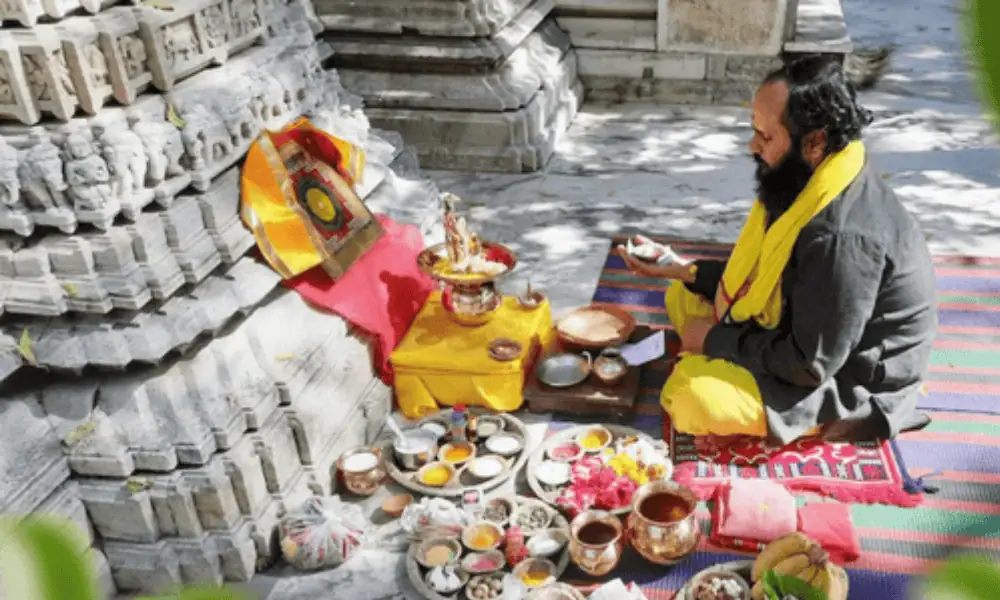
The science of sound in the Vedic tradition, known as ‘Mantra Shastra,’ posits that every sound has an inherent frequency. Through the rhythmic repetition of a mantra, practitioners aim to synchronize their internal state with these elevated frequencies. If the mind is agitated or clouded by constant worry, it affects how we interact with our environment and how we care for ourselves. The practice of japa, or repetitive recitation, acts as a meditative discipline that encourages a shift from external reactivity to internal calm. By dedicating time each day to sit in quiet contemplation, a devotee creates a sanctuary within themselves, fostering a sense of peace that permeates their daily life. This internal sanctuary serves as a buffer against the wear and tear of modern existence, helping the practitioner maintain a balanced outlook regardless of external circumstances.
Devotional Context and Understanding
Maa Baglamukhi is often revered in Vedic traditions as a source of strength and clarity, sometimes associated with the concept of ‘stambhana,’ which in a spiritual sense, refers to the ability to hold steady or stop the mind from wandering into negative or anxious patterns. When seeking health and wellness through this devotional path, the focus is usually on achieving this inner stability. The belief is that when the internal environment is stabilized, the body and mind are better positioned to handle the challenges of life.
Beyond the philosophical aspects, there is a profound emotional component to this devotion. For many, the act of reciting the mantra is a surrender of their worries to the Divine Mother. This act of letting go is, in itself, a therapeutic release. By acknowledging that one cannot control every aspect of physical reality, the practitioner finds relief from the burden of constant vigilance and stress. It is essential to understand that this path is built on sincerity and consistency. Traditional practices are rarely viewed as quick fixes for complex issues. Instead, they are regarded as lifelong commitments to spiritual growth. A devotee does not seek to bypass the physical reality of a health concern but rather seeks to strengthen their resolve, patience, and clarity of thought so that they can navigate their journey toward wellness with a balanced perspective. This devotional approach prioritizes the cultivation of sattvic qualities—purity, light, and harmony—in both thought and action.
The Role of Discipline and Routine
For those interested in exploring the Baglamukhi mantra for health, the establishment of a consistent routine is often encouraged. Vedic traditions emphasize the importance of ‘niyama’ or disciplined conduct. This does not mean creating an overwhelming burden, but rather finding a sustainable rhythm that fits into one’s daily life. Consistency in practice is believed to yield more significant spiritual benefits than sporadic, high-intensity efforts.
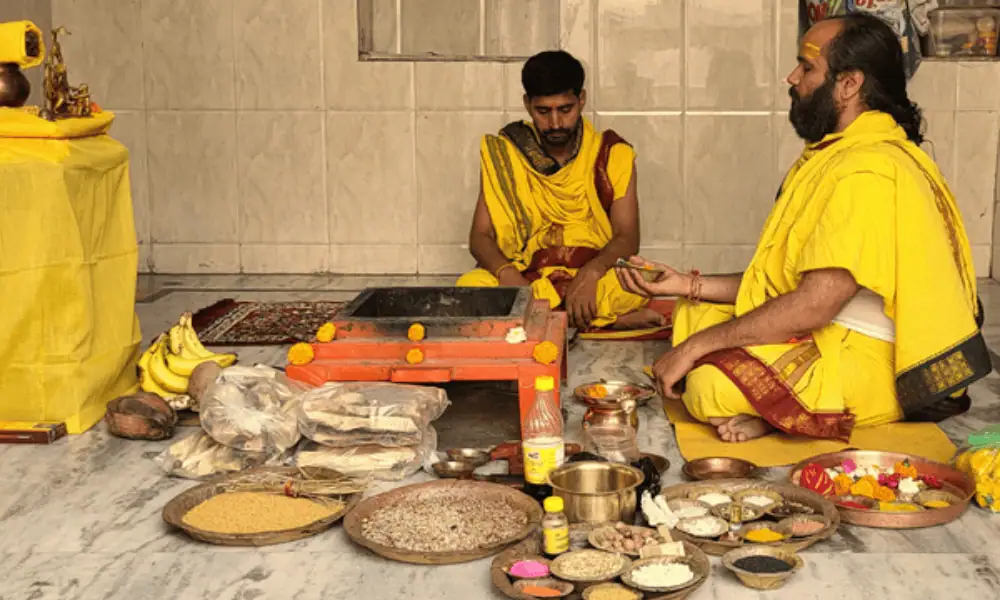
Building a habit requires patience and an understanding of one’s own limitations. A devotee might start with a shorter, manageable duration of japa, gradually increasing the intensity as their focus deepens. This incremental approach mirrors the natural process of healing, where small, steady efforts lead to substantial long-term benefits. Many practitioners find that performing their practice during the early morning hours, often referred to as the Brahma Muhurta, provides a serene atmosphere conducive to deep reflection. During this time, the world is quiet, making it easier to turn one’s attention inward. Whether one performs a simple recitation or incorporates a more formal Baglamukhi Puja, the attitude of surrender and dedication remains the most important element. It is this humble offering of time and focus that characterizes the relationship between the devotee and the divine. By creating a dedicated space, perhaps with a small lamp or incense, the practitioner honors the sacredness of the moment, which in turn reinforces the mental discipline required for consistent health-conscious living.
The Intersection of Mind, Breath, and Sound
The synergy between mantra recitation and breath control—often linked to Pranayama—is a fascinating aspect of this practice. When reciting, the rhythm of the breath naturally slows down, becoming more measured. This physiological shift is well-documented in modern science to reduce blood pressure and heart rate variability, which are critical markers of physical health. In the context of the Baglamukhi mantra, this regulation of breath is not a separate exercise but an organic byproduct of focused, rhythmic chanting.
Furthermore, the vibration produced in the vocal cords and the resonance felt in the chest cavity during chanting can have a calming effect on the vagus nerve. By engaging the parasympathetic nervous system, the mantra serves as a natural tool to counteract the chronic stress that often underlies various lifestyle-related health concerns. The devotion and the mechanics of the practice work in tandem; the faith provides the mental motivation, while the physiological response to sound provides the physical support. This integration allows the devotee to experience a multi-dimensional benefit, where spiritual clarity translates into tangible improvements in the subjective experience of health.
Integrating Spiritual Practice with Practical Care
As a lead editorial writer for Baglamukhi Guru, I must emphasize that spiritual practices are deeply personal and subjective. While many find profound comfort and strength in their faith, it is vital to remain grounded in reality. When dealing with health matters, one should always seek professional medical advice and follow the guidance of qualified healthcare providers. The wisdom of our ancestors often taught that the body is a vessel for the soul, and taking care of this vessel through proper nutrition, exercise, and medical care is a form of service itself.
Spiritual practice can be an excellent adjunct to this practical care. By lowering stress levels and promoting a positive, calm mindset, meditative practices can support the overall healing process. The practice of the Baglamukhi mantra encourages us to pause, breathe, and re-center ourselves. In a fast-paced world, this pause is itself a powerful health intervention, allowing the nervous system to shift from a state of fight-or-flight to one of rest and digest. It is important to view the body not as a machine to be driven, but as an ecosystem to be nurtured. When we supplement our medical and nutritional routines with the stillness provided by the mantra, we create a comprehensive environment for vitality to flourish. This balance represents the zenith of traditional wisdom: honoring the mortal frame while simultaneously nourishing the immortal spirit.
Conclusion
The pursuit of health through the lens of devotion is a journey of patience and self-discovery. By engaging with the Baglamukhi mantra for health, one is essentially choosing to cultivate a quiet, steady, and resilient mind. It is a path of introspection that encourages us to face life’s challenges with poise. Whether through mantra recitation, regular worship, or contemplative study, the goal is always to move closer to a state of inner harmony. As you continue your own path, remember to remain gentle with yourself, value the process of steady practice, and always honor the importance of balancing your spiritual life with responsible care for your physical body. Your commitment to this discipline is a testament to your desire for wholeness, and in that sincerity, you will find the strength to navigate any challenge with greater peace and clarity.
Frequently Asked Questions
Can the Baglamukhi mantra replace medical treatment for health issues?
No, the practice of a mantra is intended to be a spiritual or meditative support, not a replacement for medical diagnosis or treatment. Always consult with qualified medical professionals for any health concerns.
How long should I recite the mantra to see results?
In Vedic traditions, spiritual practice is viewed as a way of life rather than a task with a deadline. Rather than focusing on results, focus on maintaining a consistent, sincere daily practice and the peace of mind that comes with it.
Is it necessary to perform complex rituals for health benefits?
Simple, consistent practice is often considered more effective than complex, infrequent rituals. The core of any devotional practice is the sincerity and focus of the practitioner.
Can I listen to the mantra if I am unable to recite it?
Yes, listening to a high-quality, authentic recording of the mantra can be a very effective way to engage in meditative listening, which helps in calming the mind and creating a focused atmosphere.
Where can I learn more about the proper pronunciation and meaning of these mantras?
For those interested in the foundational aspects of the practice, you can explore the Baglamukhi Meaning section on our website, which provides context on the symbolism and identity of the deity to help deepen your understanding.