
What Is Uchatan? Meaning in Hinduism
In the vast landscape of Vedic and Tantric traditions, practitioners often encounter terminology that carries both deep esoteric meaning and significant cultural history. Among these concepts, the term Uchatan frequently appears in discussions regarding the applications of mantra and focused intent. To understand what is Uchatan, meaning in Hinduism, one must first step away from contemporary, often misunderstood interpretations and look toward the traditional framework of energy and consciousness.
At its core, the word originates from Sanskrit roots associated with the idea of rising, removing, or shifting one’s attention from a particular state. In the context of ancient spiritual texts, it is not merely a label for a specific technique, but rather a descriptive term for the process of disentangling the mind from external attachments or negative thought patterns that hinder spiritual growth. It is a concept rooted in the philosophy of mental discipline and the refinement of one’s internal environment. By understanding this, we see that it is not about shifting others, but shifting the perspective of the ego to align with the Divine.
The Philosophical Foundation of Uchatan
Hindu traditions emphasize the power of the mind and the role of focus in shaping our reality. From a philosophical perspective, Uchatan is closely linked to the concept of chitta-vritti, or the fluctuations of the mind. Just as a calm lake reflects the sky clearly, a stable mind reflects the divine. When the mind becomes obsessed with worldly anxieties, toxic emotions, or obstructive habits, it loses this reflective quality. The practice of traditional techniques described as Uchatan is intended to help the seeker move beyond these mental distractions, allowing the intellect to return to a state of equilibrium and sattvic clarity.
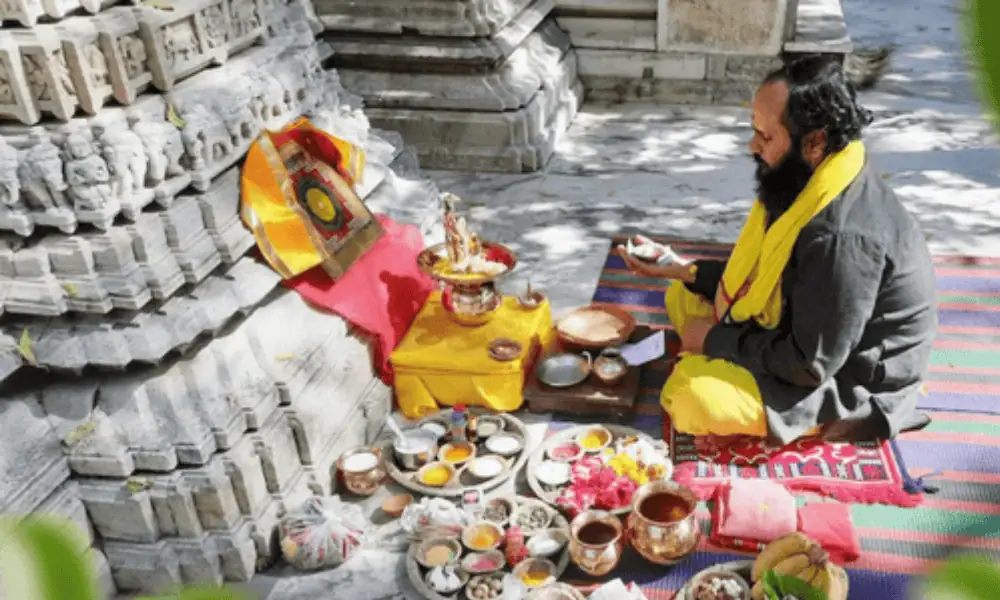
It is crucial to emphasize that these traditions never advocated for the use of such concepts as a means of controlling others or inflicting harm. Such interpretations are modern distortions that ignore the fundamental mandate of ahimsa, or non-violence, which underpins all legitimate Vedic practice. Instead, the Vedic approach has always been one of self-mastery. True spiritual practice focuses on the internal landscape—clearing the clutter of ego, anger, and attachment. When someone inquires about the nature of Uchatan, it is most accurately understood as a transformative internal tool for clearing the mental field, rather than a weapon to be used against external forces.
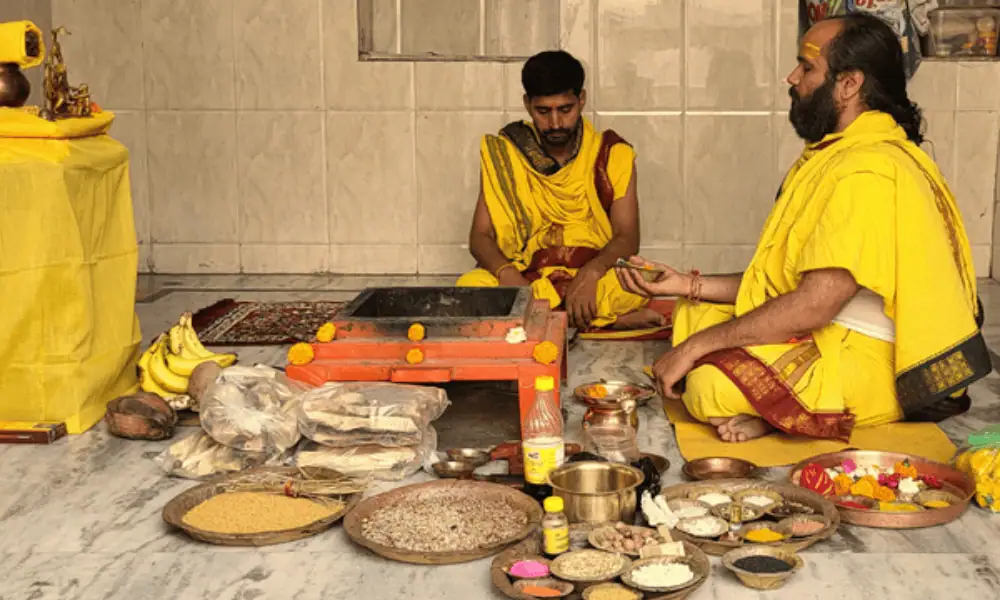
Furthermore, the philosophical grounding relies on the understanding that the universe is governed by cosmic law. Attempting to force one’s will upon the external world is considered a violation of the natural order. By turning the mechanism of removal inward, the practitioner learns to ‘remove’ the seeds of ignorance, known as avidya, which is the root cause of all human suffering. This is the noble path: the cultivation of inner stillness through the removal of external mental noise.
The Role of Mantra and Intent in Traditional Practice
Mantra science plays a vital role in how concepts like Uchatan are approached in the lives of dedicated practitioners. Mantras are considered vibrations that align the individual consciousness with higher cosmic energies. When an individual engages with a specific mantra, the primary objective is to purify the mind, not to manipulate the external world. The focus is always on fostering a peaceful, devotional attitude toward the Divine.
The traditional view holds that a mantra is a bridge between the finite and the infinite. If the intent behind the recitation is tainted by selfish desires or the desire to dominate, the vibration of the mantra fails to harmonize with the cosmic order. Therefore, the preparation for any significant practice involves intense self-reflection. One must examine their motives before engaging with powerful sounds.
For those who wish to delve deeper into the correct methods of mantra practice, understanding the foundational principles of Maa Baglamukhi Mantra provides a structured and respectful pathway. By aligning with established traditions, a seeker learns that the efficacy of any practice lies in the sincerity of the devotee’s heart and their commitment to living a life of virtue. Without this foundation, rituals remain empty. Therefore, any mention of techniques like Uchatan in traditional texts should be viewed through the lens of spiritual purification and the pursuit of inner peace. It is about removing the obstacles that keep one from hearing the subtle voice of the Divine within.
Contextualizing Uchatan in Modern Life
In the modern era, there is often a misunderstanding that these ancient terms refer to miraculous or supernatural methods of solving life’s problems. However, traditional scholars and practitioners consistently remind us that there is no substitute for practical effort, moral integrity, and patience. Relying on rituals as a shortcut for life’s challenges often overlooks the necessity of character development. The true essence of these practices is to provide the mental stability required to face life’s obstacles with courage and wisdom.
Consider the modern struggle with digital overload and the relentless pace of society. The ancient practice of removing mental anchors is perhaps more relevant today than ever before. We are constantly besieged by information that clutters our consciousness, making it nearly impossible to focus on our spiritual goals. In this context, utilizing traditional wisdom to ‘remove’ these distractions is a form of spiritual hygiene. It is about creating a sacred space within where the noise of the world cannot penetrate.
If you are exploring the significance of traditional devotion, it is helpful to look at the broader teachings of Maa Baglamukhi. By studying the symbolism and the divine qualities associated with the Mother, one begins to see that all spiritual practices are geared toward the cessation of the ego’s demands. Uchatan, when viewed through this prism, becomes a metaphor for the removal of the false projections of the mind that prevent us from seeing the ultimate truth of our existence. She represents the power to freeze or remove the confusion of the mind so that truth can be revealed.
A Responsible Approach to Vedic Knowledge
As you explore these subjects on your path, remember that authenticity is found in lineages and established texts rather than in sensationalized claims found online. The path of the seeker is one of humble inquiry. Avoid falling into the trap of seeking quick fixes or engaging with practices that claim to offer power over others. These claims are often signs of inauthenticity and spiritual immaturity. Instead, focus on the Baglamukhi Puja as a form of surrender and divine connection. The goal of any legitimate Vedic tradition is to harmonize the human experience with the cosmic order, known as Rta, ensuring that every action is grounded in dharma, or righteousness.
Authentic spiritual practice is rarely dramatic; it is consistent, quiet, and deeply personal. It requires the surrender of one’s own agenda to the divine will. When we study ancient, complex topics, it is easy to become fascinated by the technical details, but the wisdom lies in the application of that knowledge to our moral character. Ask yourself: does my practice make me more compassionate? Does it help me overcome my own biases and fears? If the answer is no, then the practice is not serving its intended purpose.
By maintaining a disciplined, sattvic, and devotional lifestyle, you create the conditions where genuine spiritual growth can occur. The study of concepts like Uchatan serves as a reminder to periodically check one’s own mental state and ensure that the focus remains on the Divine. This is the hallmark of a sincere practitioner—the ability to look inward and seek purification, recognizing that the greatest influence one can have is the influence over one’s own heart and mind. As we navigate the complexities of life, let us return to these fundamental truths, ensuring that every step we take is guided by wisdom and deep, unwavering devotion.
Frequently Asked Questions
Is Uchatan considered a form of black magic or harmful practice?
In the context of traditional Vedic and Tantric wisdom, such concepts were never intended for harm or manipulation. Any use of spiritual knowledge to influence or harm another is entirely contrary to the principles of dharma and the teachings of the Rishis. A true seeker focuses on self-purification and inner transformation.
Can Uchatan be practiced by anyone at home?
Spiritual practices that involve mantras or specific rituals are typically guided by a traditional teacher or lineage holder. Attempting to perform advanced practices without proper guidance or a solid foundation in basic devotional practice is generally discouraged, as it may lead to confusion or improper focus.
What is the primary goal of studying such spiritual concepts?
The primary goal is to understand the mechanisms of the mind and how to achieve mental clarity. Studying these concepts allows a practitioner to recognize the mental patterns that cause suffering and to eventually transcend those patterns through devotion and consistent spiritual discipline.
Does engaging in these rituals guarantee specific results?
No, there are no guarantees in spiritual practice. The outcome of any devotional act or mantra recitation depends on the sincerity of the devotee, the grace of the Divine, and the alignment of the individual’s actions with righteous living. These practices are meant to support your journey, not to replace practical efforts in daily life.
How should one maintain a balanced approach to these traditions?
A balanced approach involves grounding your spiritual curiosity in consistent daily practice, such as meditation and reflection, while maintaining an active and responsible life. Treat traditional knowledge with respect, study it from authentic sources, and always prioritize your moral and ethical development above any desire for results.