
Introduction to the Sacred Beej Mantra
In the vast expanse of Vedic tradition, the concept of the ‘Beej’ or ‘Seed’ mantra holds a place of profound significance. A Beej mantra is considered the condensed, potent essence of a deity’s energy. When we speak of the Baglamukhi Beej Mantra, we are referring to the vibrational core that represents the singular, focused consciousness of Maa Baglamukhi. For devotees and seekers, engaging with this sound is not merely an act of recitation but a meditative process of aligning one’s internal state with the qualities embodied by the Divine Mother.
As explained in our guide on the Meaning of Maa Baglamukhi, she is the force of stillness, truth, and the paralyzing of falsehood. The Beej mantra associated with her is often considered a tool for internal refinement and clarity. It is important to approach such sacred sounds with a heart grounded in patience, respect, and a genuine desire for spiritual growth, rather than viewing them as instruments for material gain or external control.
Understanding the Concept of a Beej Mantra
The term ‘Beej’ translates literally to ‘seed.’ Just as a massive banyan tree is contained within a tiny seed, the entirety of a deity’s divine attributes is said to be encapsulated within a Beej mantra. These sounds are not meant to be analyzed through standard linguistic logic but are intended to be experienced through dedicated, consistent, and respectful practice. In the yogic tradition, sound is considered the foundational element of the manifest universe, and the use of these seed syllables is a method of returning that manifest energy toward its source.
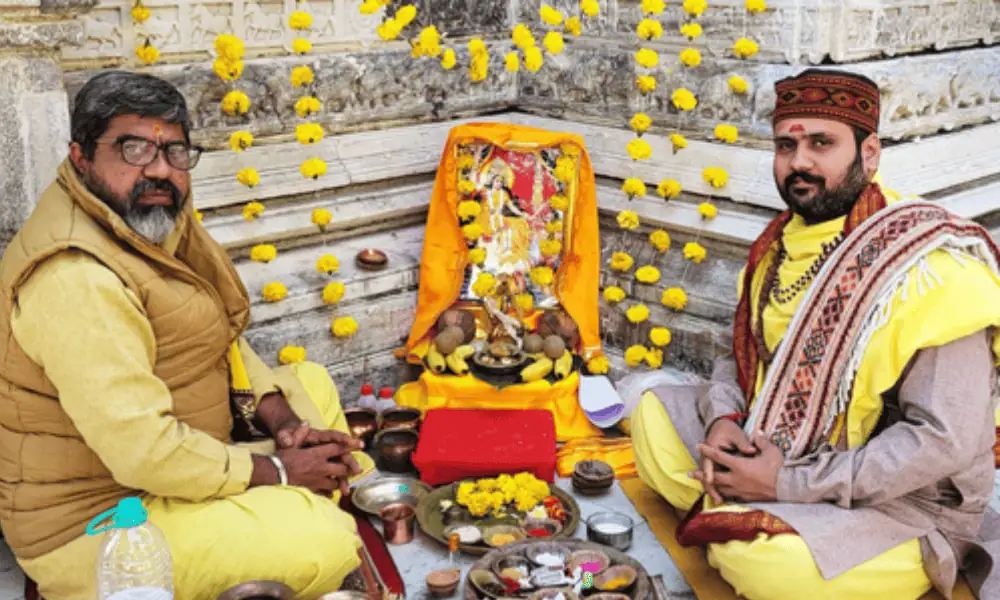
When a seeker focuses on the Baglamukhi Beej Mantra, they are essentially planting a seed of awareness within the fertile soil of their own consciousness. Like any seed, it requires the right environment to germinate and grow. In spiritual practice, this ‘environment’ consists of a sattvik lifestyle, a calm mind, and a consistent devotional routine. The goal is to cultivate a state of inner silence where one can perceive the truth of the self, mirroring the stillness that the Goddess represents.
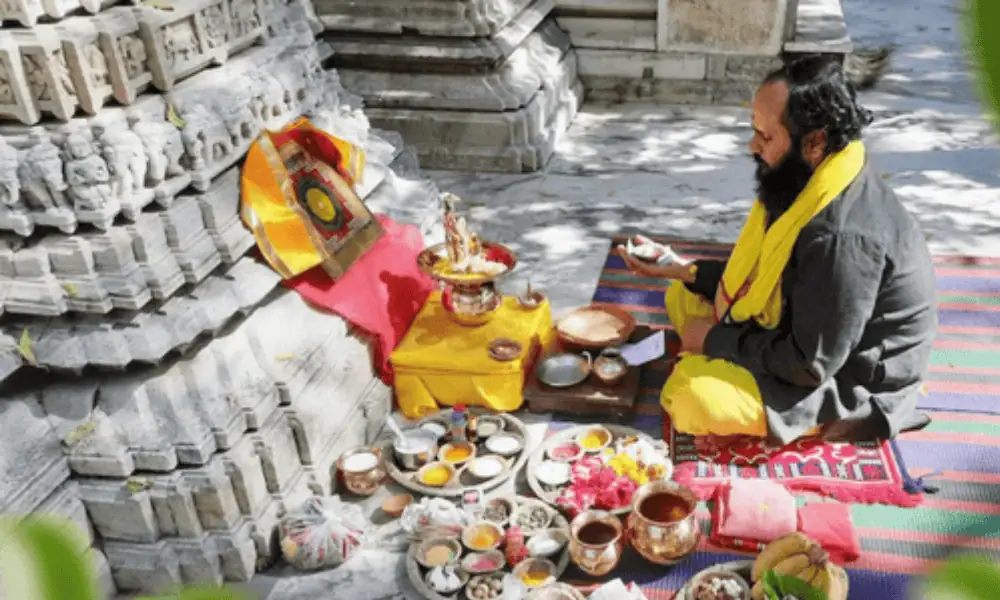
The Devotional Significance of the Mantra
The practice of any mantra is an act of surrendering the ego to the divine. When reciting the Baglamukhi Beej Mantra, it is natural for the mind to wander, yet the discipline lies in gently bringing the focus back to the sound. This practice acts as an anchor in the stormy sea of daily life, helping the practitioner find a sense of center and equilibrium. It is not about forcing an outcome, but rather about refining the vessel—the practitioner—to be more receptive to the grace of the Mother.
Devotion, or ‘Bhakti’, is the prerequisite for any spiritual practice to yield internal transformation. Without this foundation, the repetition of sounds can become mechanical. Instead, true practice involves viewing the mantra as a conversation with the Divine. It is an expression of longing for clarity, truth, and the dissolution of the ego-driven illusions that cloud our perception of reality. By focusing on the attributes of Maa Baglamukhi, one learns to distinguish between the temporary distractions of the world and the eternal truth of the soul.
Approaching the Practice with Responsibility
At Baglamukhi Guru, we believe that spiritual paths must be walked with maturity and integrity. While there are many claims regarding the ‘powers’ of mantras, it is essential to emphasize that these practices are designed for inner purification. We do not encourage the use of mantras to influence others, gain material advantages, or seek shortcuts to success. The true ‘victory’ described in ancient texts often refers to the mastery over one’s own senses and the overcoming of internal ignorance.
Before beginning any regular practice, it is beneficial to familiarize oneself with the broader context of the deity’s worship. Understanding the foundational concepts of the Maa Baglamukhi Mantra provides the necessary context to appreciate the specific nuances of the Beej mantra. Consistency, cleanliness, and a focused environment are the traditional pillars of this practice. It is recommended to practice in a quiet, dedicated space where you can sit comfortably and allow your mind to settle, turning your attention inward toward the light of the Goddess.
The Role of Guidance and Patience
The journey of spiritual practice is often long and requires patience. There is no instant path to enlightenment or inner peace. If you find your progress to be slow, do not be discouraged. The transformation that comes from mantra meditation is often subtle and unfolds over months and years. It is a process of polishing a mirror; at first, you may not see much change, but with constant effort, the reflection becomes increasingly clear.
For those who are just beginning their exploration, reading about the traditional puja procedures can offer a deeper understanding of the atmosphere and discipline required for this path. Remember that Maa Baglamukhi represents the power of silence and the cessation of conflict. Your practice should reflect these qualities. By embodying peace and truth in your daily actions, you align yourself with the divine frequency that the Beej mantra represents, creating a life that is naturally harmonious and centered.
Frequently Asked Questions
What is the primary purpose of reciting a Beej mantra?
A Beej mantra is used for meditative concentration and the internalization of the specific divine energy represented by the deity. Its purpose is to help the practitioner achieve inner silence, focus the mind, and move toward spiritual clarity rather than seeking external or material outcomes.
Do I need an initiation to start chanting the Baglamukhi Beej Mantra?
While traditional paths often involve initiation by a teacher, one can start with a general devotional attitude. The key is to approach the practice with utmost respect, sincerity, and a commitment to maintaining a sattvik (pure) lifestyle. The focus should always be on building a personal connection with the Divine.
How long should I practice the mantra every day?
Consistency is more important than duration. It is better to practice for a shorter period—perhaps 10 to 15 minutes—every single day with full focus than to practice for hours sporadically. Gradually, as your comfort and capacity for concentration increase, you may extend your session.
Can the Baglamukhi Beej Mantra help with worldly problems?
Spiritual practices are intended to strengthen the individual’s character, clarity, and inner resilience. By fostering a calm mind and a truthful perspective, a devotee is better equipped to handle life’s challenges with wisdom and grace. However, mantras should not be viewed as a substitute for practical effort, professional advice, or medical care.
Is it necessary to use a Mala (prayer beads) while chanting?
Using a mala is a traditional aid that helps in keeping count and maintaining focus during meditation. It provides a physical tether to the practice. While it is not strictly mandatory for the efficacy of the mantra, many devotees find that the rhythm of moving the beads helps in anchoring the mind during long sessions.
Conclusion
The Baglamukhi Beej Mantra serves as a sacred bridge between the individual soul and the universal consciousness represented by Maa Baglamukhi. By understanding that this mantra is a seed of potential—waiting to be nurtured by our devotion, discipline, and patience—we can transform our approach to spirituality. Let your practice be defined by the search for truth, the stillness of the mind, and a heartfelt reverence for the Divine Mother. As you continue your journey, keep your intentions pure and your focus steady, knowing that every step toward self-awareness is a step toward the light.