
Understanding the Essence of Mudras in Sadhana
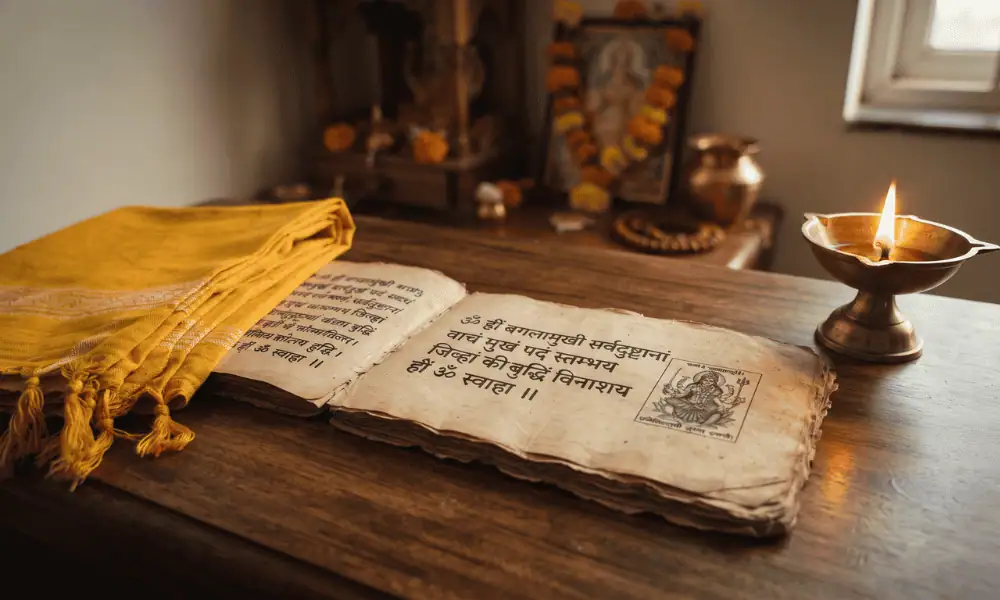
In the vast landscape of Vedic spiritual practices, mudras represent more than mere hand gestures; they are refined instruments of consciousness. They serve as conduits that help channel subtle energies within the human body, facilitating a state of focused intention during prayer and meditation. Among the various practices associated with the Dasha Mahavidya, the study and implementation of specific gestures related to the divine feminine energy of Maa Baglamukhi form a quiet but significant part of traditional sadhana.
A mudra is a symbolic, intentional positioning of the hands and fingers that aligns the practitioner’s inner state with the energy they seek to invoke or honor. When we speak of the Baglamukhi Mudra, we are discussing a specific physical expression used to cultivate stability, mental clarity, and deep introspection. It is essential to understand that these physical forms are not mechanical switches for success; rather, they are aids that help the practitioner maintain a steady, sattvik focus while engaging in the traditional puja and meditation practices dedicated to the Divine Mother.
By integrating the physical body into the meditative process, the sadhaka creates a bridge between the gross physical form and the subtle, spiritual aspirations of the heart. The limbs become vessels for concentration, and the nerves within the fingers are believed in yogic science to map directly to specific energetic pathways within the body. Thus, holding a deliberate position helps in preventing the mind from drifting into habitual patterns of distraction, keeping the awareness firmly anchored in the present moment of devotion.
The Meaning and Symbolic Importance
The term ‘Baglamukhi’ itself points to the power of stilling or paralyzing misconceptions and dualities that often cloud our judgment. The associated mudra reflects this concept of stillness and precision. In the context of a meditative practice, the hands are positioned to create a circuit of energy that encourages the mind to settle into a state of ‘stambhana’—not in the sense of external control over others, but as an internal act of stabilizing one’s own turbulent thoughts and restless emotions.
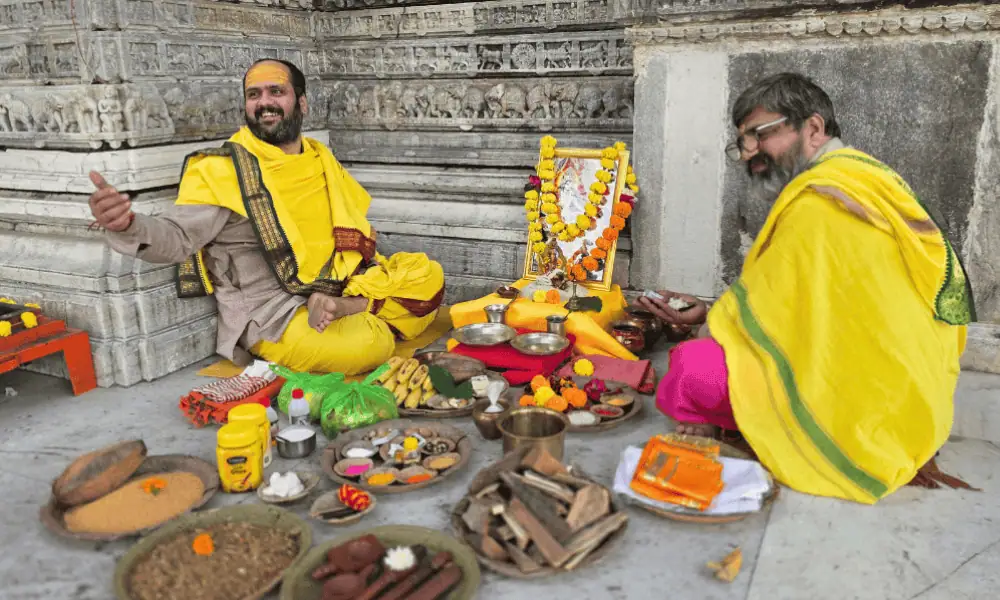
Devotees who approach this practice with sincerity understand that the physical form is an outer reflection of an inner resolution. By adopting a specific posture, the practitioner signals to the mind that the time for external wandering has ended and the time for inward connection has begun. This is a practice of discipline and devotion, aimed at helping the sadhaka attain the clarity required to perceive truth behind the veils of illusion. For those seeking a deeper understanding of the deity herself, exploring the meaning of Maa Baglamukhi provides the essential foundation needed to appreciate these mudras.
Symbolically, the mudra acts as a seal (the literal translation of the word ‘mudra’). It seals the subtle energy within the subtle body, preventing it from dissipating through outward-reaching actions or scattered thoughts. Just as a dam holds back the river to provide potential energy for irrigation or power, this gesture holds the mental energy of the devotee, transforming it into a concentrated force of spiritual awareness. This concentrated energy is then utilized to pierce through the illusions of the material world, allowing the practitioner to rest in the stillness that the Divine Mother represents.
How Mudras Aid in Devotional Practice
The effectiveness of any mudra is rooted in the consistency of the practice and the purity of the practitioner’s intent. When a devotee sits for japa or dhyana, the physical body often struggles with restlessness. A mudra provides a focal point for the hands, which helps in grounding the overall posture of the body. By maintaining a firm and relaxed hand position, one can more easily achieve a state of physical stillness, which in turn fosters a calm mental environment suitable for prayer.
Furthermore, the repetitive nature of assuming the mudra before each session serves as a psychological trigger. Much like a ritual bell or a lamp being lit, the hand gesture tells the nervous system that it is time to transition from the chaos of mundane life into the sanctuary of sacred space. This consistency reduces the friction one might experience when attempting to ‘switch off’ the analytical mind, paving a smoother path toward deep meditation. It acts as an anchor in the often turbulent ocean of human consciousness.
It is important to remember that these gestures should be adopted with humility. There is no magical outcome derived from the hand gesture alone. Instead, the gesture is a part of a holistic lifestyle that includes ethical living, regular study of spiritual texts, and a sincere heart. When a person aligns their actions with the virtues represented by the Divine Mother, the mudra acts as a silent language of the soul, deepening their connection to the sacred. It is an expression of surrender—surrendering the pride of ‘doing’ and instead allowing the Divine Mother to work through the seeker.
The Physiological and Energetic Connection
In the tradition of subtle energy, the human body is believed to be an intricate network of nadis or channels. The hands, being the most active instruments of the body, possess a high density of nerve endings. When specific positions are formed, these nerve endings create loops or circuits that affect the flow of energy. The Baglamukhi Mudra, when performed with an erect spine and a relaxed shoulder girdle, supports the structural integrity required for long periods of sitting.
As the practitioner remains in the position, the connection between the brain and the hands becomes a feedback loop of stillness. If the mind wanders into worry, the practitioner may notice the hand tension increasing or the fingers shifting. Simply by noticing this, one is brought back to the present. The mudra thus serves as a biofeedback mechanism. It does not just demand stillness; it facilitates the maintenance of stillness through the gentle, focused engagement of the muscles of the hands and arms, preventing the lethargy that often accompanies prolonged meditation.
Approaching Sadhana with Patience and Respect
Many individuals turn to spiritual practices during times of confusion or mental distress. It is vital to maintain a balanced perspective during such periods. While traditional practices like the use of mudras and mantras can be very grounding and calming, they should never be viewed as a substitute for addressing the practical realities of life. If one is facing legal, personal, or professional challenges, it is wise to seek professional assistance alongside one’s spiritual pursuits. The goal of the sadhaka is to attain internal strength to face life’s challenges with wisdom, rather than expecting external circumstances to change instantly.
Devotion is a journey of transformation. As you engage with the various aspects of the path, including the recitation of the Maa Baglamukhi Mantra, let your mudra serve as a reminder of the stillness you wish to cultivate within. Over time, this practice of physical and mental alignment can help develop a stronger, more resilient character capable of navigating the ups and downs of life with equanimity. It is a slow, methodical unfolding of the petals of the soul, requiring neither haste nor expectation of immediate results.
Patience in the face of spiritual progress is perhaps the most important virtue. Just as a seed requires darkness and time before it breaks through the soil, your sadhana requires quietude and persistence. Do not be discouraged if you find your mind wandering during the first few weeks or months. The very act of returning to the mudra and to the mantra is the practice itself. It is in the repeated return that the muscle of attention is strengthened.
Conclusion
The Baglamukhi Mudra serves as a quiet witness to the dedication of the practitioner. It is a tool for alignment, helping to center the body and mind during the sacred process of connecting with the divine. By focusing on the sincerity of your heart and the consistency of your daily practice, you allow the deeper, more subtle benefits of Vedic tradition to unfold in your life. Remember that the ultimate goal is not the mastery of a technique, but the cultivation of a steady mind and a compassionate, enlightened perspective. Let this mudra be a reminder that beneath the noise of the world, there exists a deep, unmoving center of peace that is accessible to everyone who seeks it with sincerity and grace.
Frequently Asked Questions
Is it necessary to learn the Baglamukhi Mudra from a teacher?
In traditional Vedic lineages, guidance from a qualified mentor is highly valued as it ensures the practice is performed with the correct understanding and context. While the physical gestures are simple, the spiritual maturity required to integrate them into a daily routine often benefits significantly from the wisdom of a teacher who understands the nuances of sadhana.
Can I perform this mudra anytime during the day?
While you can use the principles of focused hand gestures to calm your mind during moments of stress, the specific mudras associated with ritual practice are most effective when performed during your dedicated time for puja, japa, or meditation. Consistency in terms of time and place helps the mind associate those moments with spiritual reflection.
Do I need to follow a specific diet or lifestyle to use these mudras?
A sattvik lifestyle, which includes wholesome, simple foods and a focus on clarity of thought and speech, is generally recommended for those engaged in serious spiritual practice. It helps in maintaining the level of physical and mental purity that makes it easier to focus during meditation, though specific dietary requirements can vary based on individual traditions.
Are there any risks if I perform the mudra incorrectly?
The practice of mudras is inherently non-harmful. It is a method of self-alignment and devotion. If you feel unsure about the positioning or if you experience any discomfort, simply return to a relaxed, natural posture. The most important aspect is the sincerity of your heart and your respectful intent toward the Divine Mother.
How long should I hold the Baglamukhi Mudra during meditation?
There is no fixed duration defined for holding a mudra. It is typically maintained for the duration of your japa or meditation session. If you are a beginner, it is better to start with shorter, manageable periods that allow you to maintain focus without becoming physically fatigued or distracted by the effort of holding the position.