
Introduction to Maa Baglamukhi and the Chalisa
Maa Baglamukhi occupies a unique and revered place within the Vedic tradition. Often associated with the power of speech, clarity, and the cessation of obstacles, she is worshipped by seekers who desire a disciplined mind and a heart centered in truth. Many devotees find solace in reciting devotional hymns that express their surrender to the Divine Mother. Among these, the Chalisa holds a special significance as a structured, rhythmic composition designed to foster focus and inner peace.
For those seeking to connect with the energy of the Mother in their own mother tongue, the search for the Baglamukhi Chalisa in Kannada is often a step toward deepening one’s personal practice. While Vedic traditions are universal, reciting devotional verses in a language one deeply understands can often lead to a more profound emotional resonance during puja. At Baglamukhi Guru, we emphasize that the sincerity of the heart and the clarity of intent are the true foundations of any spiritual endeavor, regardless of the language used for prayer.
The Essence of Devotional Practice
In the path of Sadhana, the recitation of a Chalisa is not merely a ritualistic performance but a form of meditative engagement. It allows the practitioner to align their consciousness with the attributes of the deity. Maa Baglamukhi is often invoked to grant the ‘vak siddhi’—the power to speak with clarity and effectiveness—and to help the devotee navigate the complexities of life with equanimity. By incorporating regular prayer into one’s daily routine, a sense of inner stability can be cultivated, helping one remain grounded during turbulent times.
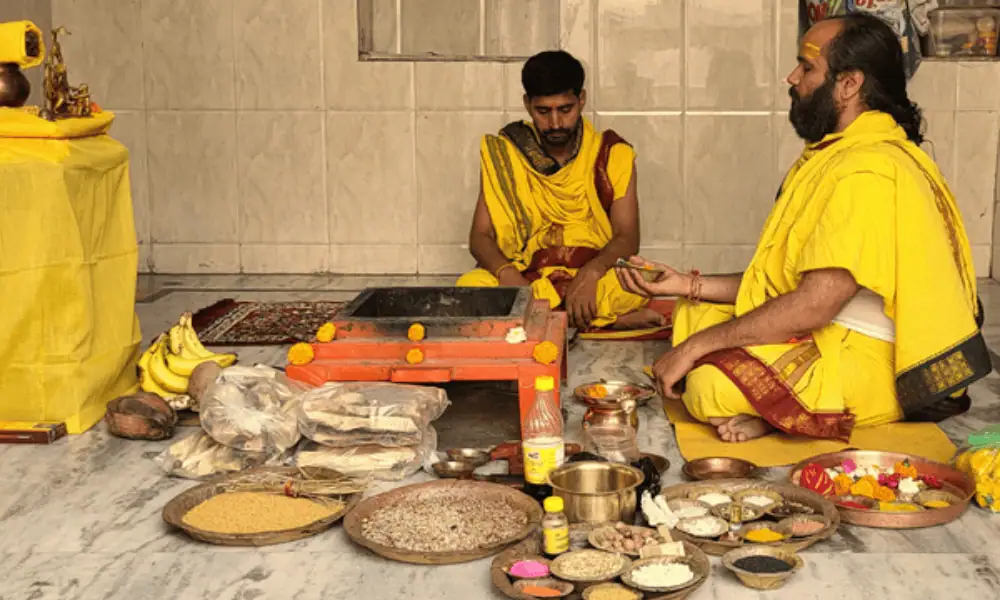
It is important to remember that spirituality is a personal journey of growth and self-reflection. When you approach the Mother with devotion, you are seeking her guidance to understand your own true nature. The practice of reciting hymns is intended to purify the mind, reduce the influence of distractions, and create a tranquil space within the home or the inner self. Whether you choose to recite the Chalisa in its original Sanskrit or a translated form, the focus should remain on the devotion itself, which serves as a bridge between the seeker and the Divine.

Finding Authentic Resources
As you explore your devotional path, you may be looking for specific resources to aid your daily worship. For those who value the structured approach of traditional texts, we provide a reliable Baglamukhi Chalisa PDF, which serves as an accessible guide for practitioners. Having a clear, accurate text ensures that your recitation remains consistent and respectful, allowing you to focus on the melody of the words and the meaning behind them.
When accessing such resources, consider the importance of maintaining an atmosphere of purity and reverence in your prayer space. The act of reading from a structured text can help prevent the mind from wandering, allowing you to immerse yourself fully in the verses. For those who are also interested in the broader context of how these hymns fit into traditional worship, understanding the Meaning of Maa Baglamukhi can provide the necessary spiritual context to deepen your connection during recitation.
Integrating Practice into Daily Life
Consistency is often cited as a key element in any spiritual practice. Rather than aiming for long, exhaustive sessions that may be difficult to maintain, many practitioners find that a short, focused session performed at a consistent time each day is more sustainable. Whether you choose the early morning hours, often called the Brahma Muhurta, or a quiet time in the evening, the commitment to your practice matters more than the duration of the session.
Preparing for your session can involve simple acts of mindfulness. Lighting a lamp, arranging a few flowers, or simply sitting in a clean, quiet space can signal to your mind that it is time to transition from the external world of tasks and responsibilities to the internal world of devotion. As you engage with the verses of the Chalisa, let the words settle into your consciousness. If your mind wanders, gently bring it back to the sound of the words, treating each syllable as a step toward stillness.
A Sattvik Approach to Worship
The Vedic tradition encourages a Sattvik approach to worship, which is characterized by simplicity, purity, and a calm disposition. This means avoiding the desire for quick results or material gains and instead focusing on the purification of one’s thoughts and actions. Maa Baglamukhi represents the power of reality; in your worship, this translates to living a life based on truth, integrity, and compassion for others. When your external life reflects the values you meditate upon, your spiritual practice becomes much more potent and meaningful.
Remember that no ritual is a substitute for the practical efforts needed to navigate life’s challenges. If you are facing difficulties, seek the appropriate advice, whether it is professional, legal, or medical. Spirituality provides the inner strength and mental clarity to manage these situations effectively, but it should be viewed as a complementary support system rather than a mystical shortcut. By maintaining this balanced perspective, you can ensure that your devotion remains a source of genuine peace and empowerment throughout your life.
Frequently Asked Questions
What is the spiritual significance of reciting a Chalisa?
Reciting a Chalisa is a devotional practice designed to calm the mind and focus one’s thoughts on the divine attributes of a deity. It serves as a meditative tool that helps the practitioner cultivate patience, clarity, and inner peace, while also expressing gratitude and surrender to the Divine Mother.
Is it necessary to know Sanskrit to pray to Maa Baglamukhi?
While Sanskrit is the traditional language of Vedic texts, the Divine is understood to transcend language. The most important aspect of any prayer is the sincerity, devotion, and clarity of intent with which it is offered. If reciting in your native language helps you feel more connected and focused, that is perfectly acceptable.
How should one prepare for daily prayers at home?
Preparation involves creating a clean and quiet space dedicated to your practice. You may choose to light a lamp or incense, but the most important preparation is the mental state. Begin by sitting comfortably, taking a few deep breaths, and setting an intention of devotion and humility before beginning your recitation.
Can a Chalisa help in removing obstacles in life?
In the traditional view, devotion to Maa Baglamukhi is believed to provide the mental fortitude and clarity needed to overcome life’s obstacles. However, this should be viewed as a means to gain inner strength to handle challenges, and it is always advised to combine such spiritual practices with practical, informed, and responsible actions in your daily life.
Where can I find more information about Maa Baglamukhi’s worship?
You can learn more about the significance of traditional worship and the various aspects of Maa Baglamukhi by visiting the Baglamukhi Puja guide on our website. This resource offers insights into the traditional procedures and the philosophical understanding behind the rituals, helping you approach your practice with respect and knowledge.
Conclusion
Embarking on a journey with Maa Baglamukhi is a deeply personal endeavor that rewards consistency, patience, and a humble heart. By focusing on the inherent beauty of the devotional verses and maintaining a Sattvik mindset, you allow yourself the space to grow internally. May your path be guided by clarity and may your practice bring you the peace and stability you seek. Always remember that the ultimate goal of any spiritual practice is the transformation of the self, leading to a life lived with greater awareness, compassion, and truth.